Keeping your gutters clean might not be the most glamorous home task, but it’s one of the most important. Ever noticed water pooling near your foundation after a heavy rain, or icicles hanging like daggers from your eaves in winter? Those are signs your gutters aren’t doing their job. So how often should you clean your gutters? The short answer is: it depends. The long answer—below—will walk you through everything you need to know to set a schedule that fits your home, your yard, and the seasons here in northeastern Indiana.
Why Gutter Cleaning Actually Matters
Gutters are the unsung traffic directors of your roof: they channel water away from your home where it won’t cause trouble. When gutters clog, they turn from protectors into culprits, creating a cascade of issues that can be expensive to fix.
-
Foundation damage: Overflowing water can soak soil next to your foundation, causing cracks, settling, and costly repairs.
-
Basement flooding: Clogged gutters can direct water toward cellar windows or foundation walls, increasing the chance of water in your basement.
-
Roof and fascia rot: Trapped moisture can rot wood trim and the edges of the roof deck.
-
Pest problems: Stagnant water and leaf debris create ideal homes for mosquitoes, rodents, and even birds.
-
Ice dams: In winter, clogged gutters can cause ice dams that pull heat away from your roof, damage shingles, and allow water under roofing materials.
How Gutters Work — And Why Frequency Varies
Gutters look simple, but a few variables change how quickly they fill with debris. Think of your gutter system as a highway. If there’s little traffic (few leaves), cleanup is rare. Add a major interchange (large trees), and you need frequent maintenance.
-
Roof pitch affects water speed and debris movement.
-
Tree coverage determines how much debris lands in your gutters.
-
Downspout design affects how quickly water exits the system.
-
Local weather patterns—wind, storms, heavy rains—can accelerate clogging.
Key Factors That Determine Cleaning Frequency
Let’s break down the major factors that should influence how often you climb that ladder (or call a pro).
1. Tree Coverage and Type
Are there mature maples, oaks, or cottonwoods around your house? Deciduous trees can drop a torrent of leaves in the fall; conifers shed needles year-round. If your roof sits under a canopy of trees—especially in towns like Fort Wayne, Auburn, or Columbia City—you’ll probably need to clean gutters more frequently, sometimes every 2–3 months.
2. Seasonal Weather Patterns
Northeastern Indiana experiences distinct seasons. Spring and fall are prime times for debris: spring brings storms and seed pods, while fall drops leaves. In winter, melting snow and ice can cause additional issues. Adjust your schedule seasonally.
3. Roof and Gutter Configuration
Steep roofs, many valleys, or homes with multiple rooflines can funnel debris into gutters faster. Small or shallow gutters fill quicker than deep, wide ones.
4. Gutter Guards and Screens
Gutter guards can reduce the frequency of cleaning, but they don’t eliminate it. Fine particles, pine needles, and wind-blown debris can still accumulate on top of or under guards.
5. Nearby Construction or Landscaping
Construction dust, loosened shingles, and new plantings can increase the debris load, requiring extra attention.
6. Local Wildlife and Pest Activity
Squirrels, birds, and raccoons like to stash nesting materials in gutters. If this is common in places like Garrett, Huntington, or New Haven, add inspections to your schedule.
Recommended Gutter-Cleaning Frequencies (Guidelines)
Here are practical frequency recommendations. Treat these as starting points—adjust based on what you see during inspections.
Minimal Tree Coverage (Open Lots, Few Trees)
-
Recommended: 1 time per year (late spring or early summer)
-
Why: Little leaf or needle drop, but plan a spring inspection after winter storms.
Moderate Tree Coverage (Suburban Streets, Some Trees)
-
Recommended: 2 times per year (spring and fall)
-
Why: Spring clears lingering winter debris; fall handles leaf drop.
High Tree Coverage (Heavily Treed Lots, Near Woodlands)
-
Recommended: Every 2–3 months (quarterly) or after heavy storms
-
Why: Constant needle/leaf fall and more organic matter means frequent cleaning to prevent clogs and sagging.
Homes with Gutter Guards
-
Recommended: 1–2 times per year—mainly to remove fine debris and perform downspout checks
-
Why: Guards reduce big clogs but allow smaller debris through or to sit on top.
After Storms or Heavy Winds
-
Recommended: Inspect immediately; clean if debris noticeable or water backs up
-
Why: A single storm can dump more leaves and twigs than a season of light shedding.
Seasonal Gutter Schedule for Northeastern Indiana
To make this actionable for homeowners in Angola, Bluffton, Kendallville, Warsaw, and nearby communities, here’s a season-by-season plan.
Winter (Dec–Feb)
-
Pre-winter: Clean gutters in late fall to reduce ice-dam risk.
-
During winter: Avoid cleaning during icy conditions—risk is high. Instead, monitor for icicles and ice dams; consider professional roof de-icing if needed.
Spring (Mar–May)
-
Primary clean: Remove winter debris, seed pods, and roof grit.
-
Check downspouts and splash blocks to ensure proper water diversion as rains increase.
Summer (Jun–Aug)
-
Inspect after storms; trim overhanging branches that may drop twigs and leaves.
-
If you have conifers or evergreen needles nearby, schedule mid-summer cleanings.
Fall (Sep–Nov)
-
Major clean: Remove the bulk of leaf fall—usually the most important cleaning of the year.
-
Trim trees and verify gutters are clear before the first heavy snow.
Signs Your Gutters Need Cleaning Now
You don’t always need to wait for a schedule; look for these warning signs:
-
Water pours over the sides during rain instead of through downspouts.
-
Plants or grass at the foundation are constantly wet or waterlogged.
-
Gutters sag or pull away from the fascia due to the weight of debris and water.
-
Moss or algae growth at the eaves or in gutters.
-
Birds, rodents, or wasps nesting in the gutter line.
-
Visible plant matter or standing water when you look down your downspouts.
DIY Gutter Cleaning — Step-by-Step
If you’re comfortable on a ladder and want to clean gutters yourself, follow this checklist to stay safe and efficient.
Tools and Supplies
-
Sturdy extension ladder with ladder stabilizer
-
Work gloves (puncture-resistant)
-
Hand trowel or gutter scoop
-
Bucket or tarp for debris
-
Garden hose with spray nozzle to flush gutters
-
Eye protection
-
Silicone sealant for small repairs
Step-by-Step Process
-
Set up ladder securely on firm ground. Use a ladder stabilizer to protect gutters and improve stability.
-
Start at the downspout and remove large debris with a scoop or gloved hands, placing debris in a bucket or on a tarp.
-
Work along the gutter in sections—don’t reach too far from the ladder; reposition the ladder often.
-
After removing the bulk, flush the gutter and downspout with a hose to remove fine material and check for flow.
-
If the downspout is clogged, use a plumber’s snake or a pressure nozzle to dislodge the clog from the bottom.
-
Inspect for leaks, loose fasteners, or sagging. Tighten screws, reseal small leaks, and call a pro for major repairs.
Safety Tips for DIYers
Cleaning gutters is one of the most ladder-intensive chores—don’t treat it casually.
-
Never stand on the top three rungs of a ladder.
-
Have a spotter if possible, especially for taller homes in places like Fort Wayne or Warsaw.
-
Use a ladder stabilizer to keep gutters from denting and to stabilize the ladder.
-
Wear gloves and eye protection to prevent cuts and protect from bacteria or mold in debris.
-
Don’t attempt in high winds or icy conditions—hire a pro instead.
When to Hire a Professional
While many homeowners can handle simple gutter cleaning, there are times when calling a pro is safer and smarter.
-
Multi-story homes: If you’re higher than a single-story home, professional service eliminates a big fall risk.
-
Complicated rooflines: Professionals have experience and tools to navigate valleys and steep pitches.
-
Frequent clogs: If you continually battle issues, a pro can assess and recommend longer-term solutions (like guards, rerouting downspouts, or trimming trees).
-
Post-storm cleanup: After major storms, professionals can safely clear storm debris.
What to Expect from a Professional Gutter Cleaning Service
When you hire pros, expect:
-
Full debris removal from gutters and downspouts
-
Downspout flushing and flow testing
-
Minor repairs to fasteners, seals, and slope correction
-
Cleanup of debris from yards and gutters
-
Documentation or photos of any major issues
Typical Costs and What Influences Price
Costs vary based on home size, gutter condition, and region. For northeastern Indiana:
-
One-story homes: $70–$150 per cleaning
-
Two-story homes: $150–$300
-
Cleaning plus minor repairs: Add $50–$200 depending on parts and labor
-
Seasonal contracts (2–4 cleanings/year): Often discounted per visit
Factors that increase costs include heavy debris, clogged downspouts, need for multiple technicians, accessibility issues, and emergency or after-hours service.
Gutter Guards — Do They Eliminate Cleaning?
Gutter guards come in many styles: mesh screens, reverse-curve covers, foam inserts, and brush guards. They help, but they aren’t a set-and-forget solution.
Pros
-
Reduce large debris entry—fewer major clogs
-
Can cut down frequency of cleanings
-
Lower risk of pests nesting in gutters
Cons
-
Small debris and roof grit can still accumulate on top of certain guard types
-
Some guards can trap debris against the gutter lip and cause water to overflow
-
Initial cost can be significant; poor installation can worsen drainage
Best practice: use guards as part of a broader maintenance plan. Even with guards, plan at least annual inspections and cleanings—more if you have evergreen trees or heavy pollen seasons.
Consequences of Neglecting Your Gutters
Skipping gutter maintenance might save a weekend now, but it often leads to expensive repairs later. Neglected gutters can cause:
-
Foundation cracks and settlement
-
Basement mold and water damage
-
Damaged soffits, fascia, and roof edges
-
Landscape erosion and ruined plant beds
-
Ice dams in winter that destroy shingles and allow leaks
Maintenance Tips That Reduce Cleaning Frequency
You can stretch the time between cleanings with a few smart moves.
-
Trim back tree branches at least 6–10 feet from the roof to reduce leaf and twig drop.
-
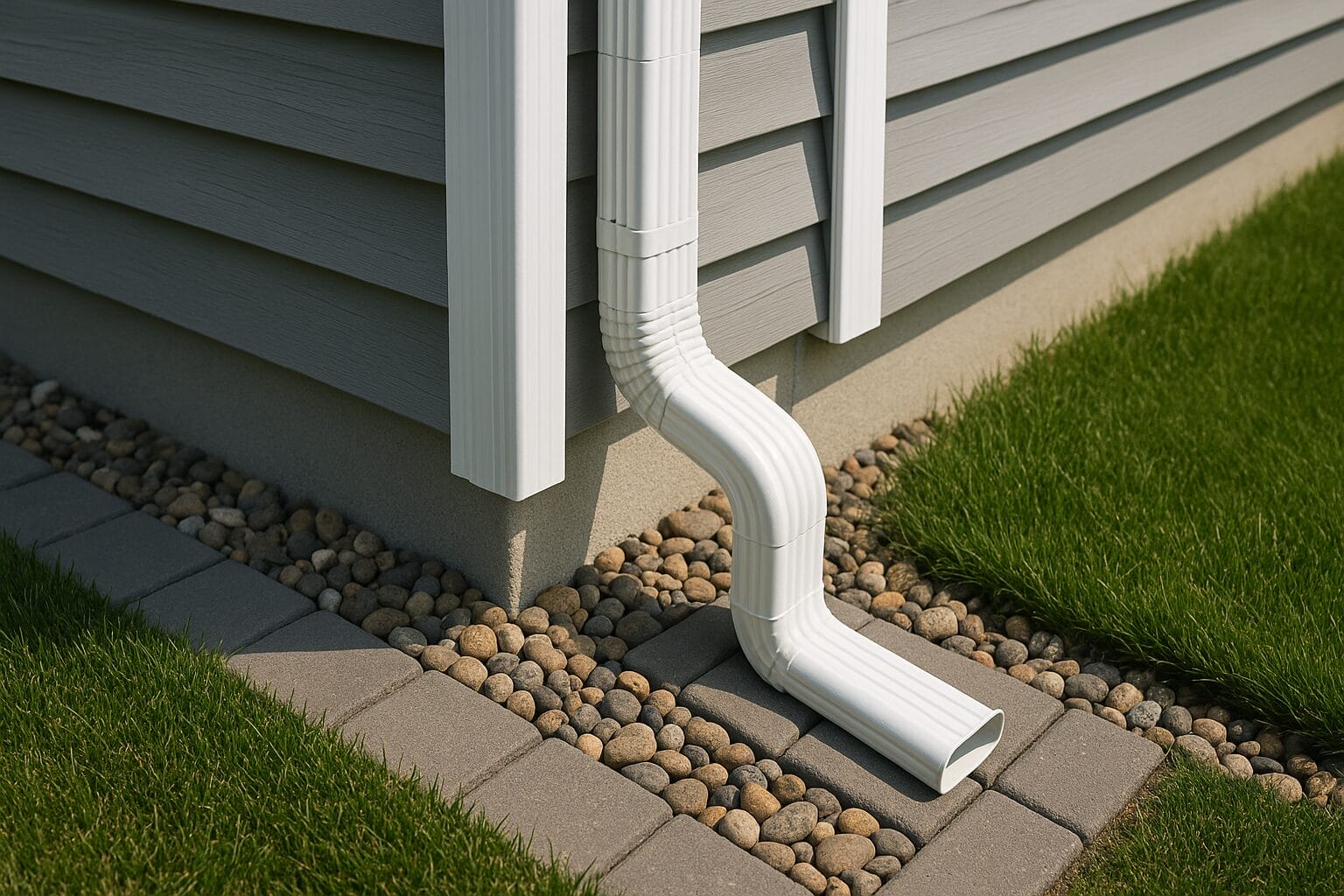
Install downspout extensions or splash blocks to divert water away from your foundation.
-
Inspect and fix gutter pitch so water flows toward downspouts instead of pooling.
-
Consider gutter guards designed for the types of debris common in your area (e.g., fine-mesh for pine needles).
-
Keep roof gutters free of loose shingles, roofing nails, and construction debris after roof work.
How to Choose a Local Gutter Service
Picking the right service makes a big difference. Look for these signs of a reputable company, whether you’re in Decatur, Huntington, Huntertown, or Woodburn.
-
Proper insurance: General liability and worker’s comp—ask to see proof.
-
Clear pricing: Written estimates that explain scope of work.
-
References and reviews: Check local reviews and ask for references from nearby customers.
-
Written contract: Includes frequency (if contract), services covered, and cleanup responsibilities.
-
Warranty or satisfaction guarantee for repairs or installations.
Special Considerations for Certain Homes
Multi-Story Homes
These require experienced technicians and usually cost more. Never DIY if you don’t have proper ladder training.
Commercial Buildings
Commercial gutters and downspouts often require bucket trucks, safety harnesses, and specialized equipment. Frequency may be higher due to larger roof areas and more complex drainage systems.
Historic or Fragile Roofs
If you have an older home with delicate roofing materials, specialist services are recommended to avoid damage during cleaning.
Keeping a Gutter Maintenance Log
One of the best ways to stay on top of maintenance is a simple log. Here’s what to track:
-
Date of cleaning or inspection
-
Who performed the service (DIY or company name)
-
What was found (clogs, leaks, pests, repairs)
-
Weather conditions at time of cleaning
-
Photos of gutter condition (useful for insurance and tracking recurring problems)
For homeowners in towns like Roanoke, Ossian, or Spencerville, keeping this record helps local service technicians understand your system history and recurring issues.
Cost-Benefit: Is Regular Gutter Cleaning Worth the Expense?
Think of gutter cleaning as preventive maintenance—like changing oil in a car. Small, routine expenses prevent much larger repair bills later. A few examples:
-
Fixing foundation cracks can cost thousands—regular gutters reduce that risk.
-
Replacing rotted fascia, soffits, or roof edges can run into the thousands.
-
An annual cleaning costing less than $200 virtually always beats the cost of repairs caused by clogged gutters.
Common Gutter Problems and Quick Fixes
-
Sagging gutters: Tighten hangers or replace worn brackets.
-
Leaks at seams: Clean area and apply silicone or gutter sealant.
-
Slow draining downspouts: Try a plumber’s snake or hose flush. If persistent, replace downspout or install additional downspouts.
-
Overflow during heavy rain: Check for clogs, improper slope, or undersized gutters.
Environmental Considerations
Gutter debris is organic and can be composted. If you’re collecting leaves and twigs during cleaning, add them to a compost pile rather than sending them to the landfill. Also consider:
-
Using biodegradable sealants for repairs where possible.
-
Ensuring downspout run-off doesn’t erode local stream banks or sensitive habitats.
Final Recommendations — A Practical Plan You Can Follow
Here’s a simple plan to keep gutters in top shape:
-
Inspect gutters visually each season and after major storms.
-
Clean gutters at least twice a year (spring and fall) for most homes; increase frequency for heavy tree cover.
-
Consider professionals for two-story homes, steep roofs, or if you’re uncomfortable on a ladder.
-
Use gutter guards to reduce maintenance, but don’t rely on them entirely—inspect and clean at least annually.
-
Keep a maintenance log and follow up on repairs promptly to avoid costlier damage.
If you live in Fort Wayne, Auburn, Kendallville, or other nearby communities, these general rules apply but always adapt to your microclimate and tree coverage. Local pros know common neighborhood tree species and weather patterns and can tailor a maintenance schedule that fits your home.
Summary
There’s no one-size-fits-all answer to how often you should clean your gutters. For many homes, twice a year—spring and fall—is a solid baseline. But if your property has heavy tree coverage, is surrounded by evergreens, or frequently faces severe storms, plan on quarterly or more frequent cleanings. Gutter guards can help but won’t remove the need for inspections. Regular maintenance prevents expensive damage to roofs, siding, and foundations, and makes your home safer and more resilient through Indiana’s variable seasons. Whether you DIY or hire a trusted local service in places like Decatur, Garrett, Warsaw, or New Haven, a simple schedule and a maintenance log will keep surprises to a minimum.
Frequently Asked Questions (FAQs)
1. How often should I clean gutters if my house is surrounded by pine trees?
If pine needles are a problem, plan on cleaning every 2–3 months. Pine needles are thin and can weave into dense mats that block water flow, so more frequent attention or a fine-mesh guard is recommended.
2. Will gutter guards completely eliminate the need for cleaning?
No. Gutter guards reduce the amount of large debris that enters the gutter, but fine particles, seeds, and shingle grit can still accumulate. Annual inspections and occasional cleanings are still necessary.
3. Can I pressure-wash my gutters to clean them?
Flushing with a garden hose is fine, but using a high-pressure washer can be risky—it may damage seals and dislodge gutters. Use a hose with a spray nozzle and moderate pressure for safe flushing.
4. What’s the risk of not cleaning gutters before winter?
Not cleaning gutters before winter increases the chance of ice dams, which can lift shingles and allow water into the roof structure. It also increases weight on gutters from frozen debris, which can cause sagging or pulling away from the fascia.
5. How do I find a trustworthy gutter cleaning service in my area?
Look for companies with proper insurance, transparent pricing, written estimates, and local references. Check online reviews for experiences from neighbors in places like Bluffton, Huntington, or Leo-Cedarville. Ask for before-and-after photos and a written guarantee for any repairs performed.