Introduction — Why Gutters Matter More Than You Think
Have you ever stood in the rain and thought, “My roof drains just fine, right?” Most homeowners don’t give gutters a second thought—until a clogged or damaged system floods a basement or ruins a foundation. Gutters are like the unsung plumbing of your house: they quietly channel water away from your home’s most vulnerable parts. Choosing the right gutter material matters. And if you’re weighing aluminum vs copper gutters, you’ve come to the right place.
Whether you live near Fort Wayne, IN, or in quieter spots like Kendallville or Warsaw, the Indiana weather plays a big role in which gutter is best. In this guide I’ll walk you through the practical differences between aluminum and copper gutters—cost, durability, appearance, maintenance, installation, and how each performs in local climates like Angola, Auburn, Decatur, and beyond. By the end, you’ll have a clear picture of what fits your home, your budget, and your design taste.
Quick Comparison: Aluminum vs Copper Gutters at a Glance
Before we dive deep, here’s a snapshot so you can get oriented quickly. Think of this as the “cheat sheet” you’ll come back to when comparing quotes.
- Cost: Aluminum is much cheaper up front; copper is a premium material.
- Appearance: Aluminum is practical and paintable; copper develops a distinctive patina that many homeowners love.
- Durability: Copper lasts longer—often several decades longer—while aluminum can dent more easily and may need replacement sooner.
- Maintenance: Aluminum needs occasional painting or cleaning; copper requires less upkeep and resists corrosion.
- Best for: Aluminum for budget-friendly, functional solutions; copper for architectural homes and long-term investment.
Material Properties: What Makes Each Metal Tick
Aluminum: Lightweight, Affordable, and Flexible
Aluminum gutters are a lot like the reliable compact car of home exteriors: economical, practical, and getting better all the time. Aluminum is lightweight, which makes it easier to install and often less expensive to ship and handle. It resists rust because aluminum forms a protective oxide layer on its surface, but it can dent if hit by ladders, falling branches, or heavy hail. Most aluminum gutters are either painted or coated with a baked-on finish, so you can match your siding or trim easily.
Copper: Strong, Long-Lasting, and Stunning
Copper is the luxury sedan of gutters—built to last and with a distinct look. Pure copper won’t rust, and it’s highly corrosion-resistant. Over time it develops a greenish patina (verdigris) that many homeowners and architects find beautiful. Copper gutters are heavier, which makes installation a bit more complex and costly, but that heft also contributes to their longevity and structural strength.
Cost Comparison: Upfront Price vs Long-Term Value
Material Cost
Let’s talk numbers, because that’s usually the first filter homeowners use. Aluminum gutters are commonly priced per linear foot—and you’ll find them in a range depending on thickness (gauge). Standard aluminum can be very affordable. Copper, on the other hand, trades on raw material price; copper gutters can cost three to six times more per linear foot than aluminum.
Installation Cost
Installation labor is another piece of the puzzle. Aluminum is lighter and easier to work with, so it’s usually less expensive to install. Copper’s weight and the need for precise soldering or crimping—and often custom detailing—add to labor costs. If you’re in Fort Wayne or smaller towns like Churubusco or Roanoke, you might find local contractors experienced with both materials, but expect a higher quote for copper installations.
Long-Term Value
Is copper “worth it”? It depends. While aluminum costs less initially, copper often offers better long-term value because it can last 50 years or more with minimal maintenance. Aluminum might need replacement sooner—sometimes in 15–30 years depending on thickness and local conditions. If you’re planning to stay in your home for decades, copper can be an investment. If you’re thinking about resale in a market like New Haven or Garrett where buyers value curb appeal, copper may increase your home’s perceived value.
Durability & Lifespan: Which Metal Holds Up Better?
Expected Lifespan
Aluminum gutters usually last 20–30 years depending on thickness (0.027″ vs 0.032″ vs 0.040″), installation quality, and weather. Copper gutters often last 50+ years—sometimes over a century—because copper resists corrosion and its protective patina actually preserves the metal underneath.
Corrosion and Weathering
In Indiana, where winters can be harsh and summers variable, corrosion resistance matters. Aluminum doesn’t rust like iron or steel, but it can corrode in certain chemical environments or where different metals meet, causing galvanic corrosion. Copper resists rust entirely; its patina is a natural barrier. However, copper can react with some roofing or fastener materials, so proper installation and separation (use of rubberized flashing or compatible fasteners) are critical.
Physical Damage: Dents, Cracks, and Impact
Aluminum is more prone to dents from ladders, hail, and branches. Thicker gauges reduce this risk, but only to a point. Copper, being denser and stronger, resists dents better and usually keeps its shape longer—especially on historic or ornate homes where gutters are visible and part of the design.
Appearance & Style: Design Choices That Make a House Pop
Finish and Color Flexibility
If you want gutters that blend in, aluminum gives you tons of color choices. Powder-coated or painted aluminum can match any trim. Copper gives you a show-stopping natural look—initially shiny and metallic, and over years evolving into warm browns and then a rich green patina. That patina is like a natural aging process—think aged brass of an old instrument—and many homeowners in places like Huntington, Leo-Cedarville, and Ossian choose copper specifically for its long-term beauty.
Architectural Compatibility
Copper is often chosen for Victorian, Colonial, or historic homes where architectural detailing matters. Aluminum is versatile and works well with modern or simple home styles. Both can be formed into common profiles like K-style and half-round, but copper is especially popular in ornate half-round profiles and custom fascia-mounted designs.
Maintenance Requirements: How Much Work Will You Actually Do?
Cleaning and Leaf Management
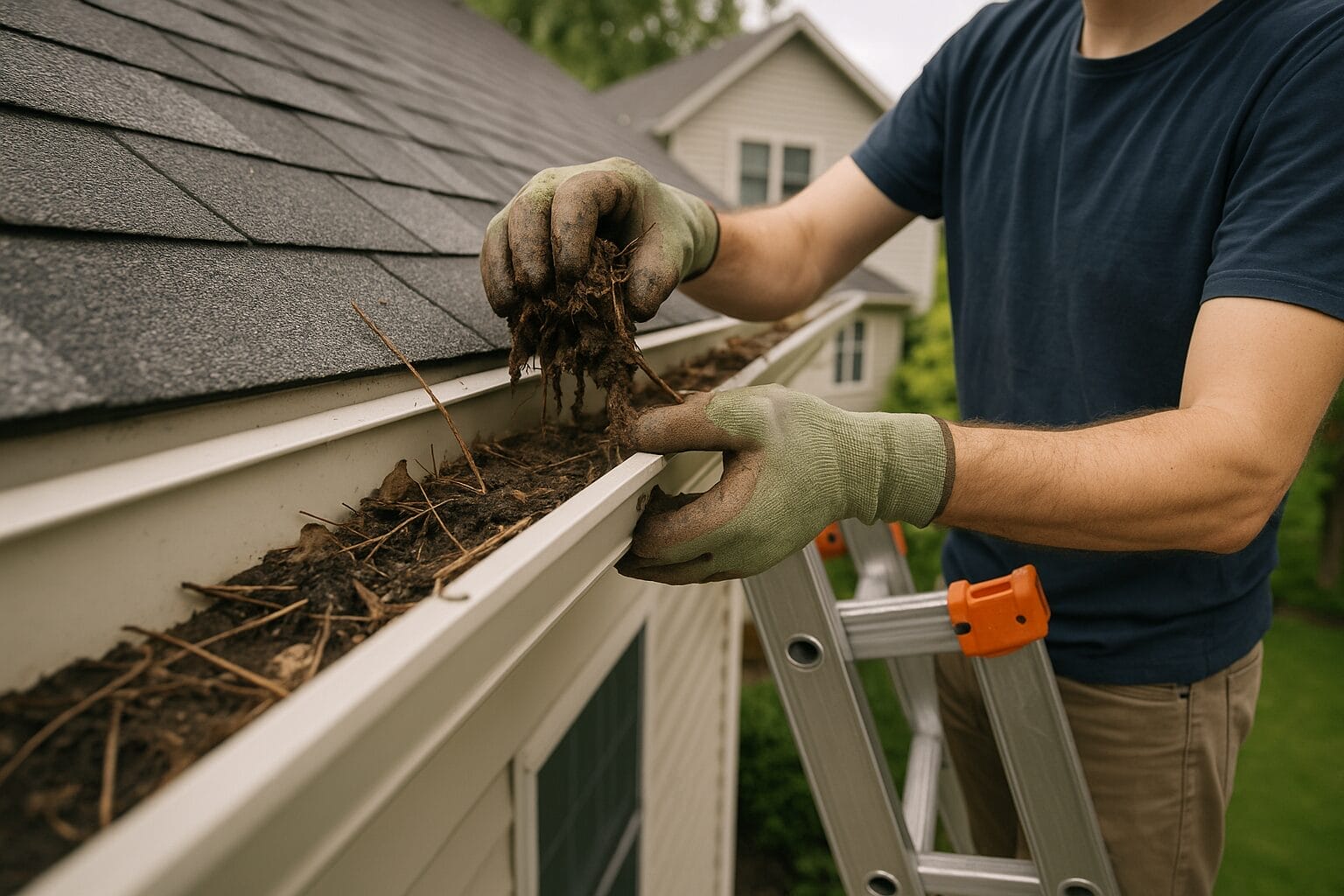
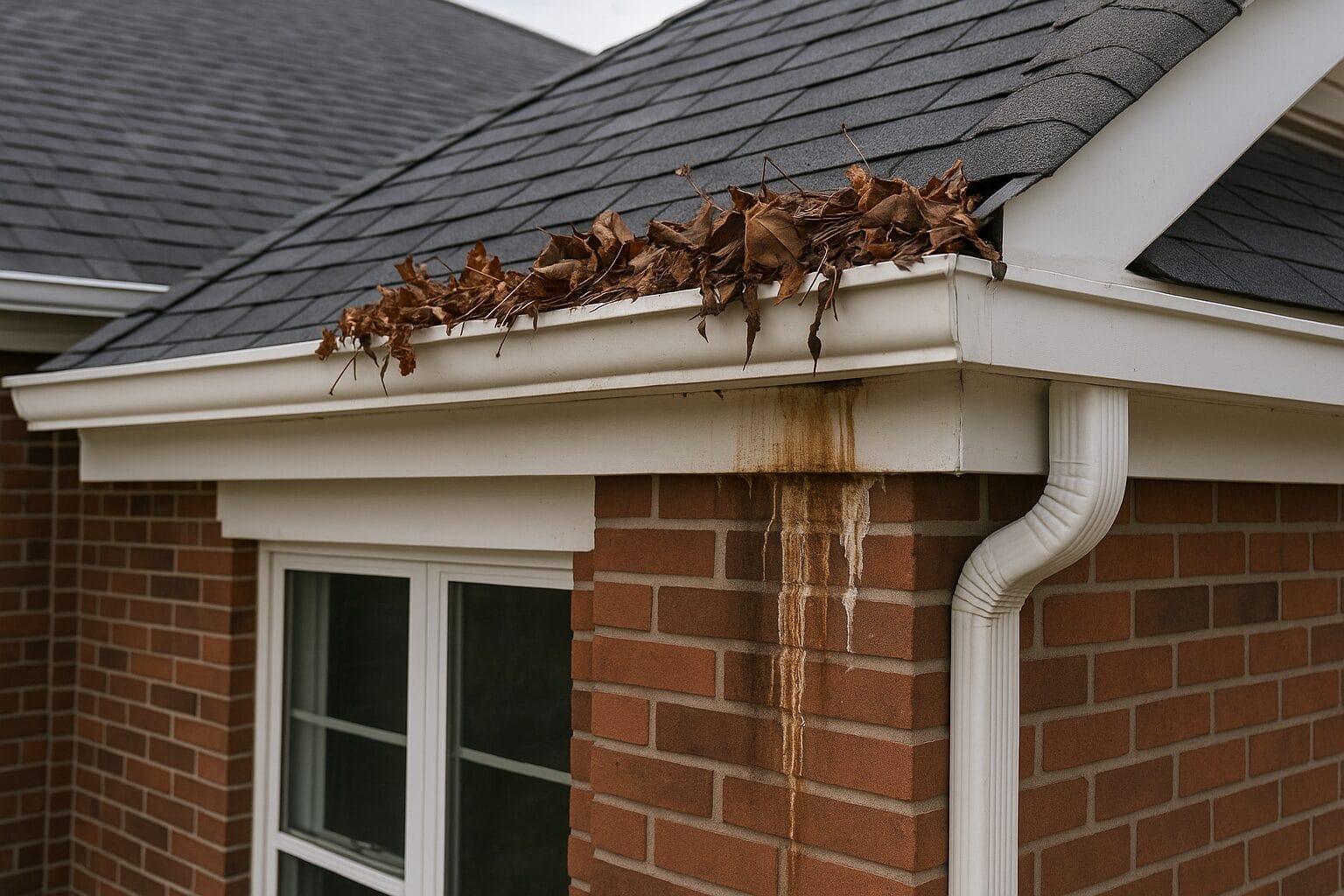
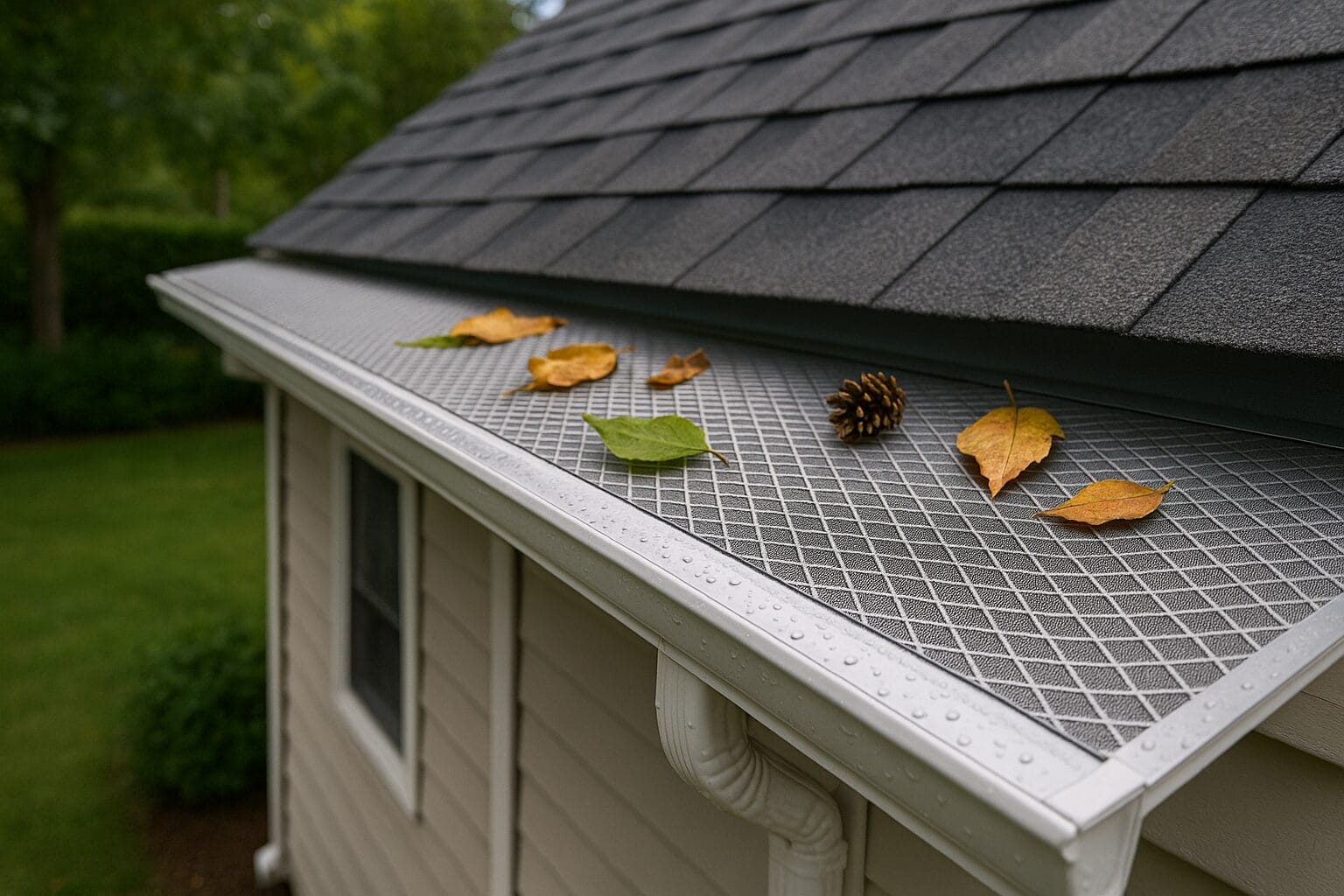
Both metals need regular cleaning to function properly. Gutters clogged with leaves and debris can cause water to overflow, leading to siding and foundation damage. Installing gutter guards can reduce maintenance needs, though you should choose guards compatible with your gutter material—some guard fasteners can accelerate corrosion if they’re the wrong metal.
Painting and Touch-Ups
Aluminum gutters are paint-friendly, which means you can refresh their look every so often. Copper shouldn’t be painted (except if you specifically want to hide the metal), since paint will prevent the natural patina from forming and can fail unevenly. If you want the copper color but also a protective layer, a clear lacquer applied by a pro can slow patina formation while showcasing the copper tone.
Repair and Patch Work
Small repairs on aluminum—like sealing joints or patching a crack—are relatively inexpensive. Copper repairs require more specialized techniques (soldering, proper seams) and might cost more, but they can be longer lasting. In many cases, a well-done copper repair will outlast a patched aluminum gutter.
Installation & Options: Seamless, Sectional, and Profiles
Seamless vs Sectional Gutters
Seamless gutters are made on-site from a continuous coil of metal—most commonly aluminum. Because they have fewer seams, they’re less prone to leaks. Copper can be installed both as seamless (through specialized equipment) or as sectional. Sectional gutters are cheaper and easier to DIY, but they have many seams which means more potential leak points.
Profiles and Sizes
Common profiles include K-style (most popular), half-round, and box gutters. Half-round is often used with copper for an old-world look, while K-style is common with aluminum. Size matters too—2″ x 3″ downspouts are standard, but larger roofs or heavy rainfall areas may need 3″ or 4″ downspouts.
Accessories: Downspouts, Splash Blocks, and Guards
Accessories like downspouts, elbows, splash blocks, and diverters should be compatible with the gutter material. Mixing dissimilar metals can create corrosion. For example, attaching aluminum gutters to copper downspouts directly is not a great idea without isolation strips or compatible fasteners.
Performance in Indiana’s Climate: What Local Weather Means
Indiana sees hot, humid summers, cold winters, snow, freeze-thaw cycles, and occasional ice storms. That’s a lot for gutters to handle. In places like Fort Wayne, Huntington, and Decatur, ice dams are a real concern. A properly sloped and insulated roof paired with durable gutters reduces ice dam risk.
Aluminum will handle the climate, but thin aluminum may buckle under heavy ice. Copper resists many of these issues but will transfer heat differently—meaning it can sometimes promote faster melting of ice on the gutters if heat is conducted from the roof. Regardless of material, ensure proper slope, secure hangers, and good downspout placement to handle heavy spring rains and summer storms that hit areas like Warsaw and New Haven.
Environmental Impact & Recyclability
If sustainability matters to you, both metals have credentials. Aluminum is highly recyclable and recycling aluminum uses far less energy than primary aluminum production. Copper is also highly recyclable and retains value as scrap. If you replace old gutters, both metals can be recycled—copper more so in monetary value—making them reasonable choices for eco-conscious homeowners in places like Auburn and Garrett.
Which One Should You Choose? A Practical Decision Guide
Let’s cut through the confusion. Here’s a simple decision matrix based on what matters most to you.
If You’re on a Tight Budget
Choose aluminum. It’s functional, easy to install, and provides decades of service at a lower initial cost. Opt for thicker gauges (0.032″ or 0.040″) if you want better dent resistance.
If You Want Low Maintenance and Durability
Choose copper. It’s more expensive up front but often requires less maintenance and lasts far longer. It’s ideal for homeowners planning to stay in their home for many years or those with historically styled houses.
If Curb Appeal Is a Priority
Copper adds character and is a real selling point in neighborhoods where aesthetics matter—think historic districts or higher-end homes in places like Leo-Cedarville or Wolcottville.
If You Want Flexibility in Color and Finish
Choose aluminum. Want gutters to match your house? Paint aluminum. Want to change the color down the road? No problem.
Cost Examples and Ballpark Estimates
Costs vary widely, but here are some ballpark figures to help you budget. Prices assume full replacement, including labor, in a typical mid-sized home (2,000–2,500 sq ft) and are generalized for markets like Fort Wayne and surrounding Indiana towns. Always get local quotes.
- Aluminum gutters (standard K-style, 0.027–0.032 gauge): $3–$7 per linear foot installed.
- Premium aluminum (thicker gauges, seamless): $6–$12 per linear foot installed.
- Copper gutters: $15–$40+ per linear foot installed depending on profile, whether seams are soldered, and complexity.
So if your house needs 200 linear feet of gutters: aluminum might cost $600–$2,400, while copper could run $3,000–$8,000 or more. In towns like Bluffton or Spencerville, local labor rates might vary slightly, but material premiums remain the primary driver for copper.
Hiring a Pro vs. DIY: What You Should Know
Aluminum can be a DIY project if you’re comfortable with tools and working on ladders. Sectional aluminum gutters are the most DIY-friendly. However, seamless aluminum requires special machines that most homeowners don’t have, so you’d hire a pro.
Copper is best left to professionals experienced with soldering and custom fabrication. Mistakes with copper are costly, and improper installation can lead to leaks, galvanic corrosion, or cosmetic damage. For homes in New Haven, Grabill, or Woodburn with complex rooflines, hiring a pro is usually the right call.
Common Myths and Misconceptions
“Copper gutters never need maintenance.”
Not true. Copper resists corrosion and ages gracefully, but you still need to clear debris, check fasteners, and ensure flashing and connections are intact. It’s just generally lower maintenance than thin aluminum.
“Aluminum will rust away in a few years.”
Nope. Aluminum doesn’t rust the way iron does. However, it can corrode under certain conditions or be damaged by impact. Quality and gauge matter.
“Seamless gutters are only made from aluminum.”
Seamless gutters are most commonly aluminum because of coil equipment availability, but copper seamless systems exist—though they’re rarer and more expensive.
Local Considerations: The Indiana Factor
If your home is in Angola, Columbia City, or Huntington, local weather and tree coverage influence the right choice. Lots of trees? You’ll need better guards and more cleaning, regardless of metal. Historic homes in Kendallville or Wolcottville may deserve copper for authenticity. Budget-focused homeowners in Grabill or Spencerville might favor thicker aluminum for a smart balance of cost and longevity.
Contractors in Fort Wayne and nearby towns are familiar with both materials. Ask any contractor for references, local examples, and whether they recommend seam types, hangers, and guard systems suited to our local weather patterns.
Installation Tips to Maximize Lifespan
- Proper slope: Gutters should have a slight pitch toward downspouts—about 1/4 inch for every 10 feet—to ensure flow.
- Secure hangers: Spaced correctly, hangers prevent sagging under snow or debris. For aluminum, consider hangers every 24 inches; for copper, shorter spacing may be used for heavier roofs.
- Match metals carefully: Use compatible fasteners and isolation materials when different metals meet to avoid galvanic corrosion.
- Insulate roof edges: Minimize ice dams by ensuring proper attic insulation and ventilation.
- Use leaf guards appropriately: Quality guards reduce debris buildup but must be installed correctly to avoid blockage or overflow issues.
Real-Life Scenarios: Which Gutter Fits Your Home?
Let’s walk through a few realistic homeowner profiles so you can picture which choice fits your situation:
- The Practical Homeowner (e.g., family in Auburn or Decatur): Wants a reliable, cost-effective option—chooses aluminum, thicker gauge, seamless if budget allows.
- The Historic Home Owner (e.g., house in Leo-Cedarville or Wolcottville): Wants period-accurate aesthetics—chooses copper, half-round profile, custom detail work.
- The Long-Term Investor (e.g., staying in Fort Wayne home for decades): Values durability and curb appeal—chooses copper for longevity and resale value.
- The DIY and Budget Buyer (e.g., small house in Spencerville or Grabill): Prefers sectional aluminum and does installation themselves.
How to Get Accurate Local Quotes
When you call contractors in your area—whether Fort Wayne, Kendallville, or Warsaw—ask for:
- Detailed quotes with material breakdowns (gauge, profile, paint/finish)
- Examples and photos of past work, especially local projects
- Warranty specifics for materials and labor
- References from recent jobs in nearby towns
Ask whether they install gutter guards, how they handle downspout placement, and how they isolate dissimilar metals. A good contractor will explain these details in plain language and show you options that fit your roofline and budget.
Conclusion — Making the Choice That Fits Your Home
So, aluminum or copper? It comes down to what you value most. Aluminum is budget-friendly, versatile, and paintable—an excellent choice for many homeowners across Indiana towns like Fort Wayne, New Haven, and Ossian. Copper is a premium material that offers unmatched longevity and a distinctive look that complements historic or high-end homes in places like Leo-Cedarville and Wolcottville. Both materials can protect your home effectively, but your priorities—cost, appearance, maintenance, and expected ownership timeline—will guide the final decision.
Whichever you choose, prioritize proper installation, regular maintenance (especially in leafy or snowy areas), and quality accessories. Want a recommendation or local quotes? Reach out to reputable installers in your area and ask for detailed proposals tailored to your home’s roofline and drainage needs.
Frequently Asked Questions (FAQs)
- Q: Which gutters are better in freezing temperatures—aluminum or copper?
A: Copper typically handles freezing and thawing better because it’s stronger and less likely to bend under ice weight. However, proper roof insulation and correct slope are more critical to prevent ice dams than the gutter material alone.
- Q: Can I mix aluminum and copper gutters on the same house?
A: Mixing dissimilar metals can cause galvanic corrosion where the metals meet. If you must mix, use isolating materials (rubber or plastic) and compatible fasteners. It’s usually better to keep one metal throughout the system.
- Q: How often should gutters be cleaned in Indiana?
A: Typically twice a year—spring and fall—is a good rule of thumb. If you have many trees nearby, you might need more frequent cleaning. Consider installing leaf guards to reduce cleaning frequency.
- Q: Do copper gutters add significantly to home resale value?
A: They can. Copper gutters are seen as premium features, especially for architecturally styled homes. They may attract buyers who appreciate historical detail or low-maintenance materials, potentially improving curb appeal and sale price.
- Q: Are seamless copper gutters worth the extra money?
A: Seamless copper gutters reduce seams and leak points, offering a cleaner look and potentially longer leak-free performance. If your budget allows and you want a premium, low-maintenance system, seamless copper is an excellent choice.