Introduction: Why Gutters Are Your First Line of Defense
Have you ever noticed long ribbons of ice dangling from the edge of a roof like an unwanted holiday decoration? Those are icicles, but they can signal a much nastier problem: ice dams. If you live in northeastern Indiana — think Fort Wayne, Auburn, or Kendallville — recurring freeze-thaw cycles make ice dams more than an eyesore. They can cause water to back up under shingles, soak into ceilings, and damage insulation and walls.
Gutters might not be glamorous, but they’re central to preventing ice dams. Consider them the moat around your castle: when they work, water flows safely away; when they clog or sag, the moat overflows and trouble begins. In this article I’ll walk you through practical, step-by-step gutter maintenance and related strategies to prevent ice dams — from simple DIY cleaning to when to call in pros. I’ll also sprinkle in tips that are especially relevant if you live in places like Fort Wayne, Huntington, Warsaw, or the smaller towns around them.
Understanding Ice Dams — The Basics
What exactly is an ice dam?
An ice dam is a ridge of ice that forms at the eaves of a roof and prevents melting snow from draining off. As snow melts higher up the roof and runs down, it hits that frozen ridge and refreezes, causing water to pool and find its way under shingles and into your attic or ceilings. It’s like a traffic jam on your roof: when the exit is blocked, everything backs up.
How do ice dams form? The simple science
Ice dams form when three things happen at once:
- Warm roof surface: Heat escapes from your attic or poorly insulated home, warming the roof surface and melting snow.
- Cold eaves: The eave or overhang stays cold because it has less attic space above it and therefore doesn’t get warmed, so the melted snow refreezes at the edge.
- Blocked water flow: Gutters clogged with leaves, twigs, and debris trap the meltwater, allowing it to refreeze along the eaves instead of draining away.
Why gutters matter more than you might think
Gutters are designed to move water away from roof edges and your home’s foundation. When they’re clogged or improperly pitched, they hold water that can refreeze into an ice dam. Even a perfectly insulated house can suffer if the gutters aren’t doing their job. In many winters, residents of towns like New Haven, Garrett, and Ossian learn this the hard way.
Signs You’re at Risk: Early Warnings
Visible clues on the roof and in the home
- Icicles forming along gutters — not just a few pretty ones, but long, thick icicles are a major warning sign.
- Ice ridges at the roof edge — classic ice dams that you can see from the ground or roofline.
- Water stains on ceilings or walls — these are the most worrying signs of water backing up under shingles.
- Frost or moisture in the attic — indicates poor ventilation or insulation that’s causing roof surface warming.
When to worry: seasonal timing
Ice dams are most common after heavy snowfall followed by sunny days that warm the roof slightly, then cold nights. If you get a snowstorm followed by warm spells and then sudden cold snaps — a pattern familiar to residents in places like Bluffton, Columbia City, and Roanoke — start checking your gutters and attic.
Gutter Maintenance: The Core Preventive Measures
1. Clean them regularly — and the right way
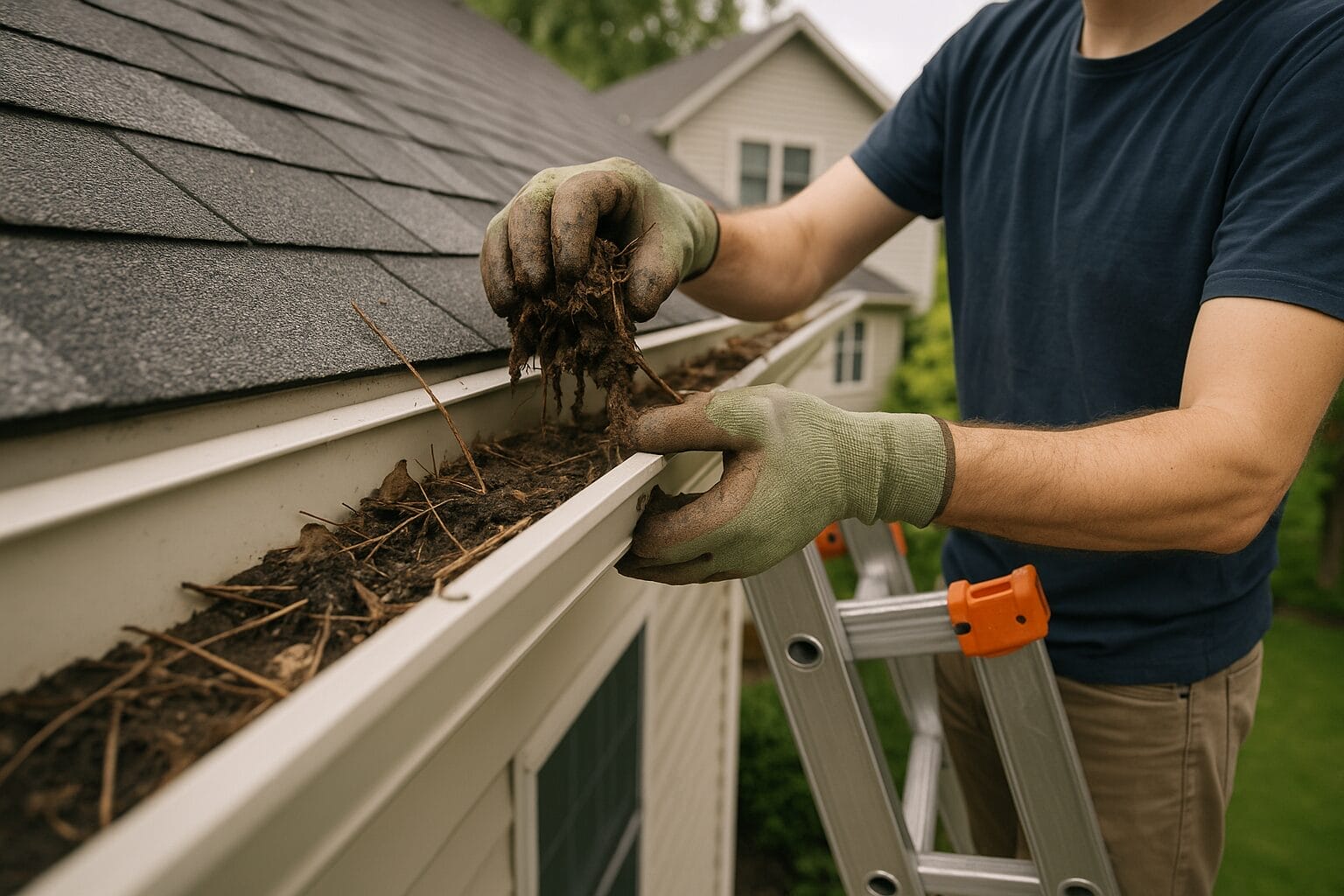
Clogged gutters are a primary cause of ice dams. Leaves, sticks, and even roof shingle grit can accumulate and create dams where water collects and freezes. Cleaning frequency depends on nearby trees and local conditions, but here’s a good rule of thumb:
- Twice a year for most homes: late spring and late fall.
- Three to four times if you have heavy tree cover — common in parts of Indiana like Huntertown or Leo-Cedarville.
- After major storms or when you notice that water isn’t flowing freely through downspouts.
How to clean safely:
- Use a sturdy ladder and have someone spot you.
- Wear gloves and eye protection — muck is gross and can hide hazards.
- Scoop debris by hand or with a small trowel, then flush with a garden hose to check for proper flow.
- Check and clear downspouts by running water through them. If clogged, use a plumber’s snake or remove the downspout to clear it.
2. Inspect and repair gutters and fasteners
Look for sagging sections, loose brackets, and split seams. A gutter that slopes incorrectly or has gaps will let water pool and freeze. Tighten hangers, replace corroded fasteners, and reseal seams with a high-quality gutter sealant. If sections are beyond repair, replace them — cheap short-term fixes can become expensive when water starts coming into your house.
3. Ensure proper pitch and downspout placement
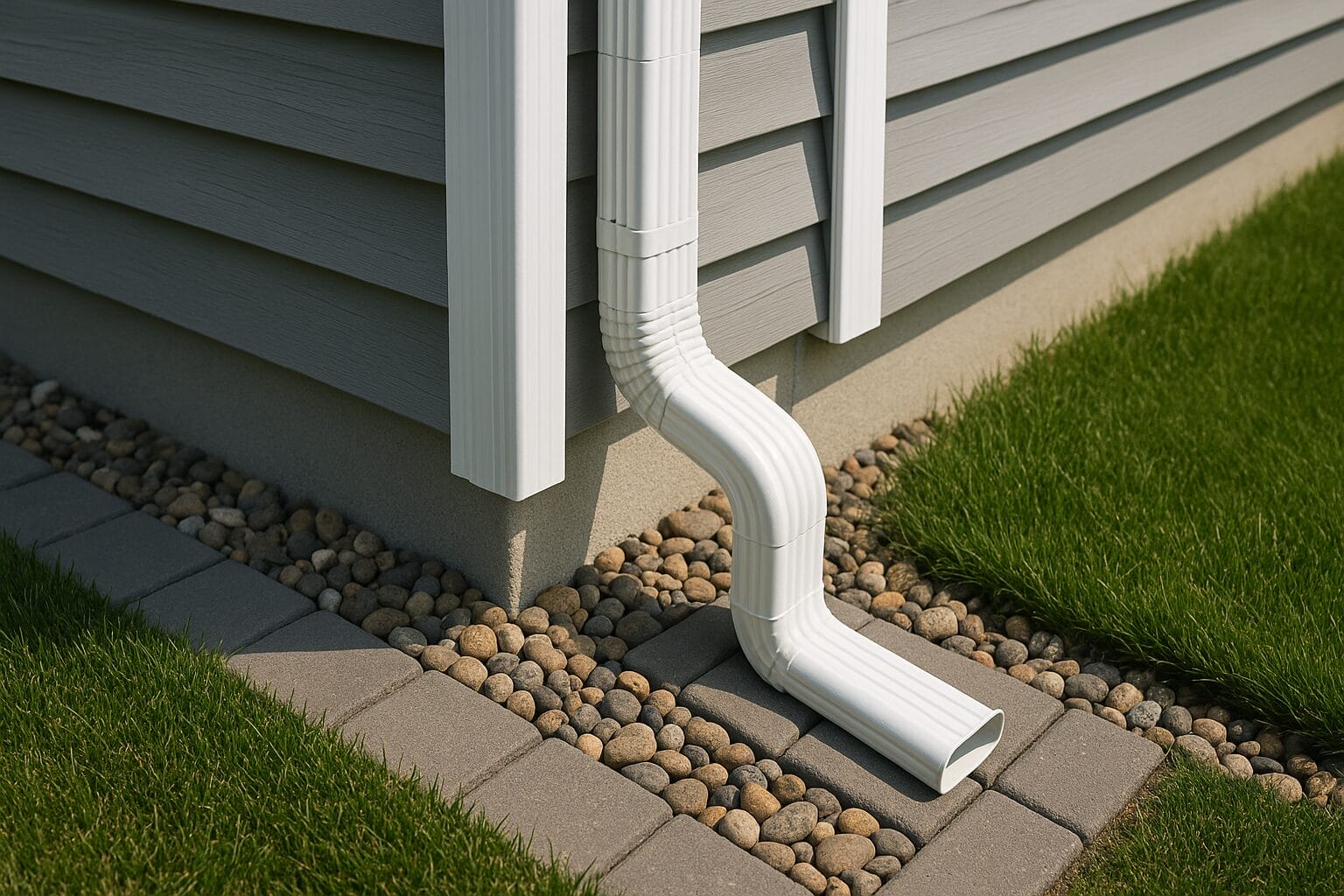
Gutters should slope slightly toward downspouts — about 1/4 inch of drop per 10 feet — to ensure gravity does the job. Downspouts should discharge water at least 3–4 feet away from the foundation or into well-maintained drains. Consider extenders or splash blocks if water pools near the foundation.
4. Consider gutter guards — pros and cons
Gutter guards can reduce debris buildup but they’re not a magic bullet. Different types include mesh screens, reverse-curve covers, and foam inserts. In our Indiana climate, mesh or micro-mesh guards often work well because they block leaves but still allow water flow. However, small debris and shingle grit can still accumulate, so guards reduce cleaning frequency but don’t eliminate it.
5. Keep the whole water-management system working
Gutters are just one component. Trim overhanging branches that dump leaves onto roofs, and check roof valleys, skylights, and chimneys for water-path obstructions. Think of your roof and gutters as a single system designed to move water away from your home. If one part fails, the rest suffers.
Attic Insulation and Ventilation: The Other Half of the Battle
Why attic heat loss is crucial
Gutters manage water at the roof edge, but attic heat determines whether snow melts in the first place. If warm air is leaking into the attic, it warms the roof deck and causes snowmelt that runs down and refreezes at cold eaves. That’s why proper insulation and ventilation are vital companions to gutter maintenance.
Insulation tips that matter
- Insulation depth: Use enough insulation to reach recommended R-values for your area. In Indiana climates you’ll often see R-38 to R-60 recommended for ceilings.
- Seal gaps: Air leaks around light fixtures, plumbing vents, chimneys, and recessed can lights should be sealed. Even small leaks can cause substantial roof warming.
- Continuous coverage: Ensure insulation isn’t compressed by attic storage and is evenly distributed.
Ventilation: letting the roof breathe
Attics should have a balanced ventilation system — intake vents at the soffits and exhaust vents near the ridge — to keep attic temperature close to outdoor temperature. This prevents the uneven warming that causes ice dams. If your ridge vents or soffit vents are blocked by insulation or debris, fix it.
Snow Management: Safer Roof Snow Removal Strategies
When and how to remove snow from roofs
Removing heavy snow reduces the amount available to melt and refreeze. Use a roof rake from the ground — it’s safer than climbing onto a slippery roof. Pull snow down to the gutter line to minimize meltwater pooling higher up. Don’t remove all the snow; a light insulating layer can help prevent cold air infiltration.
Safety first: roof rakes and professional removal
If your roof has a steep pitch or heavy loads of snow and ice, call professionals. They have harnesses, roof-friendly shoes, and tools that won’t damage shingles. Local service providers in places like Decatur, Garrett, and Waterloo are often busy after big storms — schedule early if a big snow event is forecast.
Heated Solutions: Cables and Ribbons
Heated cables — a targeted defense
Electric roof de-icing cables can be installed along eaves and in gutters to melt channels through accumulated snow and ice. They’re especially useful for problem spots and are often installed in zig-zag patterns where ice dams form. While they consume electricity, they’re a focused solution compared to heating the entire attic.
Pros, cons, and cost considerations
- Pros: Effective for targeted areas, relatively low installation cost compared to major insulation upgrades.
- Cons: Ongoing energy use and potential for improper placement to damage shingles if installed incorrectly.
- When to use them: For homes with historic issues, complex rooflines, or where insulation upgrades aren’t immediately feasible.
Gutter Materials and Designs: Choosing the Right System
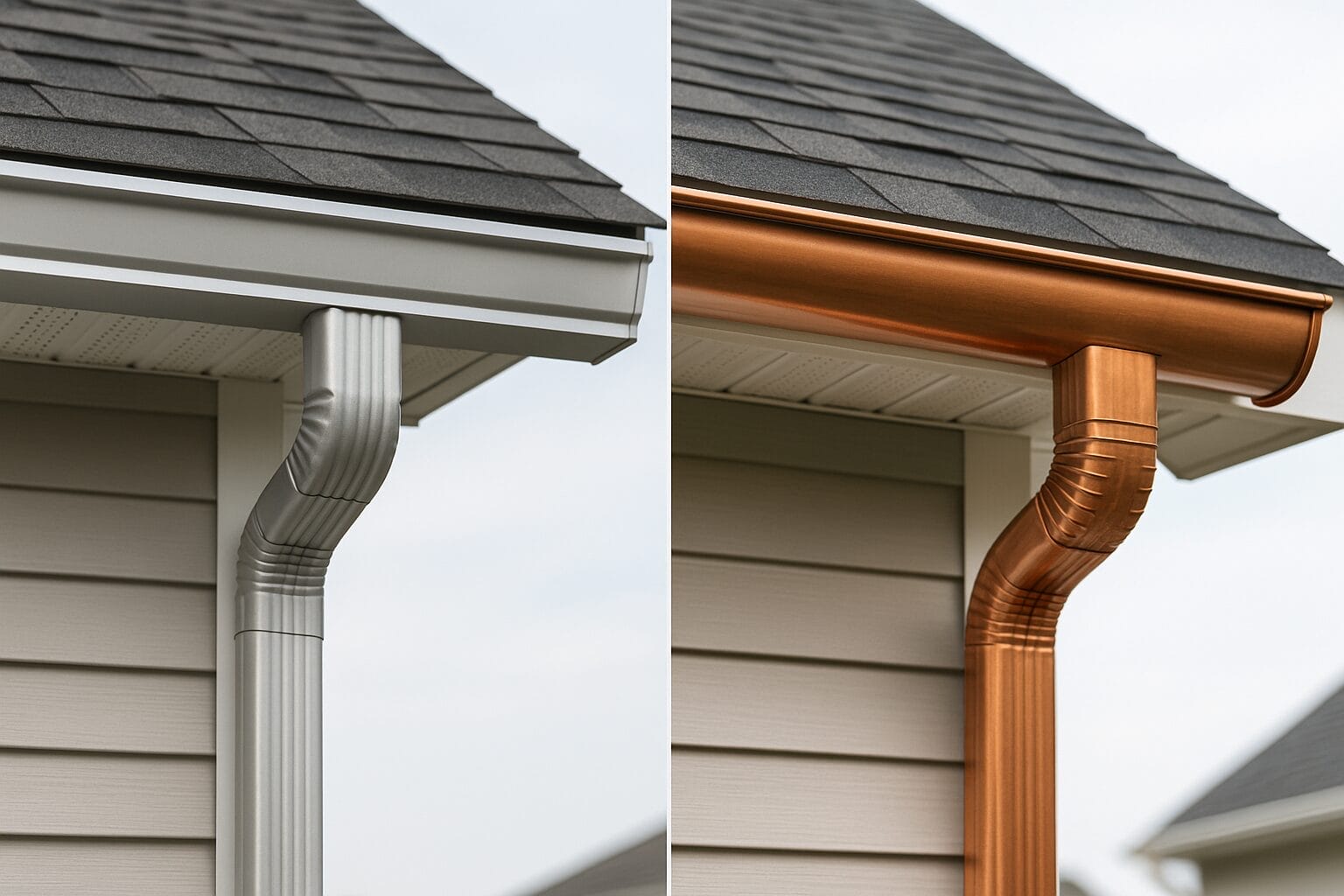
Common gutter materials
- Aluminum: Lightweight, rust-resistant, common and cost-effective.
- Steel: Stronger but can rust unless properly coated.
- Vinyl: Affordable but can become brittle in extreme cold.
- Copper: Durable and low-maintenance but expensive.
Styles and sizes matter
Half-round vs. K-style gutters, and gutter depth (5-inch vs 6-inch), affect flow capacity. If you have a steep roof or heavy snowfall, larger gutters can help handle the runoff. In towns like Warsaw and Huntington, where heavy spring thaws occur, upsizing gutters on problematic sections can prevent overflow and ice buildup.
DIY vs Professional Services: When to Call for Help
Tasks suitable for a confident DIYer
If you’re comfortable on a ladder and have basic tools, you can handle:
- Routine gutter cleaning and flushing
- Minor repairs like tightening hangers and sealing seams
- Installing gutter guards if they’re straightforward mesh systems
When to hire professionals
Call a pro if you face:
- Extensive ice dam damage (interior water stains, wet insulation)
- Complex rooflines or multi-story homes where ladder work is dangerous
- Gutter replacement, installing heated cables, or major attic insulation/ventilation upgrades
What to expect from a reputable service
Good contractors will provide an inspection, a written estimate, references, and explain the long-term prevention plan. In the Fort Wayne metro area there are multiple options, but always check for licensure, insurance, and local reviews — ask for examples of work in similar towns like Angola or Columbia City.
Emergency Steps When an Ice Dam Forms
Short-term fixes to prevent immediate damage
- Gently remove snow from the roof with a roof rake to reduce water supply to the dam.
- Create channels through the ice dam using heated cables or carefully poured warm water (caution: this can refreeze and make things worse if not done correctly).
- Use calcium chloride (not rock salt) in a tube or sock placed above the ice dam to create a melt channel — commercial “ice dam melting” products are available and safer for roofing materials.
- Keep indoor temperatures steady and apply temporary plastic sheeting to salvage walls or ceilings if water is leaking inside.
What not to do
Do not use an axe or hammer to chip away at ice — it can damage shingles and make the situation worse. Don’t pour boiling water on the roof; it can cause thermal shock and damage roofing materials.
Long-Term Prevention Plan: Combining Strategies for Reliability
A layered approach
Think of preventing ice dams like building layers of defense. No single method is bulletproof alone. Combine these elements for best results:
- Regular gutter cleaning and maintenance
- Balanced attic insulation and ventilation
- Targeted snow removal after storms
- Gutter guard systems in strategic spots
- Heated cables in chronic problem areas
Seasonal maintenance calendar
- Spring: Thorough gutter cleaning after leaves fall; inspect for winter damage.
- Summer: Trim overhanging branches; inspect attic and ventilation.
- Fall: Final gutter clean-out before freeze; check downspouts and install extenders.
- Winter: Monitor snow loads; use roof rake after big storms; watch for early icicle formation.
Costs, ROI, and Budgeting
Typical cost ranges
- Gutter cleaning: $75–$300 depending on home size and local rates.
- Gutter repair: Small fixes $100–$400; full replacement $1,000–$5,000+ depending on material and home size.
- Attic insulation: Adding insulation can range from a few hundred to several thousand dollars.
- Heated cables: $150–$800 for materials and installation depending on length and complexity.
Why spending now saves later
Fixing minor gutter problems and improving attic insulation/ventilation prevents costly interior water damage, mold remediation, and roofing repairs. In many cases, the cost of a professional roof repair after ice dam damage far exceeds preventive investments.
Materials, Tools, and a Handy Checklist
Essential tools for gutter maintenance
- Sturdy extension ladder with stabilizer
- Gloves and eye protection
- Small garden trowel or gutter scoop
- Garden hose with spray nozzle
- Plumber’s snake for downspouts
- Caulk or gutter sealant
Optional, but useful
- Gutter guards or mesh screens
- Roof rake for snow removal
- Heated cables for chronic problem areas
- Moisture meter for attic checks
Local Considerations: Why Indiana Towns See Ice Dams
Weather patterns that matter
Northeastern Indiana sees plenty of freeze-thaw cycles, especially in late winter and early spring. That pattern — snow, warm sun, melt, then cold snap — is essentially an ice dam generator. Cities like Fort Wayne, Decatur, and Warsaw get enough snowfall to make this a seasonal concern.
Tree cover and older neighborhoods
Historic neighborhoods in places like Huntington or Ossian often have mature trees that shed leaves into gutters, increasing the need for cleaning. Older homes may also have less insulation and ventilation, so they’re prone to roof warming that melts snow.
Small town vs. city service options
In smaller towns like Spencerville or Wolcottville, you might not have as many specialized contractors, so plan ahead: schedule gutter cleaning and winterization services well before major storms arrive. In larger hubs like Fort Wayne, you’ll find more options and competitive pricing.
Real-Life Example: A Typical Fix in a Fort Wayne-Area Home
Let me tell you about a house in Leo-Cedarville I worked with as part of a home inspection. The owner had recurring ice dams every winter. We found clogged gutters, compressed attic insulation, and blocked soffit vents. The solution combined a professional gutter cleaning and guard installation, adding blown-in insulation to increase R-value, and installing ridge vents to balance attic airflow. The following winter? No ice dams and no water stains. Simple fixes made a big difference.
Final Safety Tips and Best Practices
- Never climb onto an icy roof unless you’re a trained professional with proper fall protection.
- Keep a spotter when using a ladder and place ladders on stable ground.
- Wear non-slip boots and gloves; winter conditions can make even “easy” tasks risky.
- Schedule preventive maintenance in warmer months — when it’s easier, safer, and usually cheaper.
Summary
Preventing ice dams is a two-pronged effort: keep gutters functioning properly and stop heat from escaping into the attic. Regular gutter cleaning, inspection, proper pitch, and downspout maintenance are the frontline defenses. Pair that with proper attic insulation and ventilation, purposeful snow removal, and targeted solutions like gutter guards or heated cables for chronic trouble spots. Whether you live in Fort Wayne, Kendallville, Garrett, or a nearby town like New Haven or Waterloo, a little seasonal maintenance goes a long way toward avoiding the costly and messy consequences of ice dams. Start with a plan — clean, inspect, and fix — and you’ll sleep better when the big winter storms roll through.
Frequently Asked Questions (FAQs)
1. How often should I clean my gutters to prevent ice dams?
For most homes, clean gutters at least twice a year: late spring and late fall. If you have heavy tree cover, plan for three to four cleanings a year. After major storms or when leaves are falling heavily, check them again.
2. Will gutter guards completely stop ice dams?
No single solution completely prevents ice dams. Gutter guards reduce debris buildup and can lower the frequency of cleaning, but they don’t address attic heat loss or ventilation issues. Use guards as part of a layered prevention strategy.
3. Can I use salt to melt ice dams?
Rock salt can damage roofing materials, plants, and gutters. Use calcium chloride-based products designed for ice dam removal, and apply them in controlled methods (like in a sock or tube) above the ice dam to create a melt channel. When in doubt, consult a professional.
4. Are heated cables worth the cost?
Heated cables are a cost-effective targeted solution for chronic problem areas where insulation/ventilation upgrades aren’t possible right away. They use electricity and provide relief in specific zones, but they’re not a substitute for fixing underlying heat loss problems.
5. If I notice water stains on my ceiling, what should I do first?
Act quickly: move furniture and valuables away from the area, place buckets or towels to catch drips, and call a roofing or home repair professional for an inspection. Temporary fixes like removing snow from the roof with a rake can reduce additional water entry, but a professional assessment will determine the extent of damage and necessary repairs.
If you’d like, I can tailor a seasonal gutter maintenance checklist for your specific town — whether you’re in Fort Wayne, Columbia City, or Wolcottville — and include recommended local contractors and estimated costs. Want me to do that?