Introduction — Why gutter leaks matter more than you think
Have you ever noticed a puddle near your foundation after a storm and wondered where the water came from? Or maybe you’ve seen paint peeling on your eaves and assumed it was just old paint. Those are classic hints that your gutter system might be leaking. Gutters are the unsung highway for rainwater, and when they leak, the destination becomes a problem instead of a safe exit.
In this guide you’ll learn how to tell if your gutters are leaking — not just the obvious signs, but the subtle clues that often get missed. Whether you live in Fort Wayne, Auburn, Kendallville, or any of the nearby Indiana towns like Angola or New Haven, these tips will help you spot trouble early, fix what you can, and know when to call for professional help.
How gutters are supposed to work (so you can spot when they don’t)
Think of gutters as a highway system for rain. Properly functioning gutters collect water along the roofline and channel it through downspouts away from your home. When everything’s aligned — the pitch, seams, brackets, and downspouts — water flows smoothly. When one part fails, the flow gets diverted: leaks, overflow, and damage follow.
Key components to understand
-
Gutter troughs (the channels that sit under the roof edge)
-
End caps (close the gutters at the ends)
-
Seams and joints (where gutter pieces connect)
-
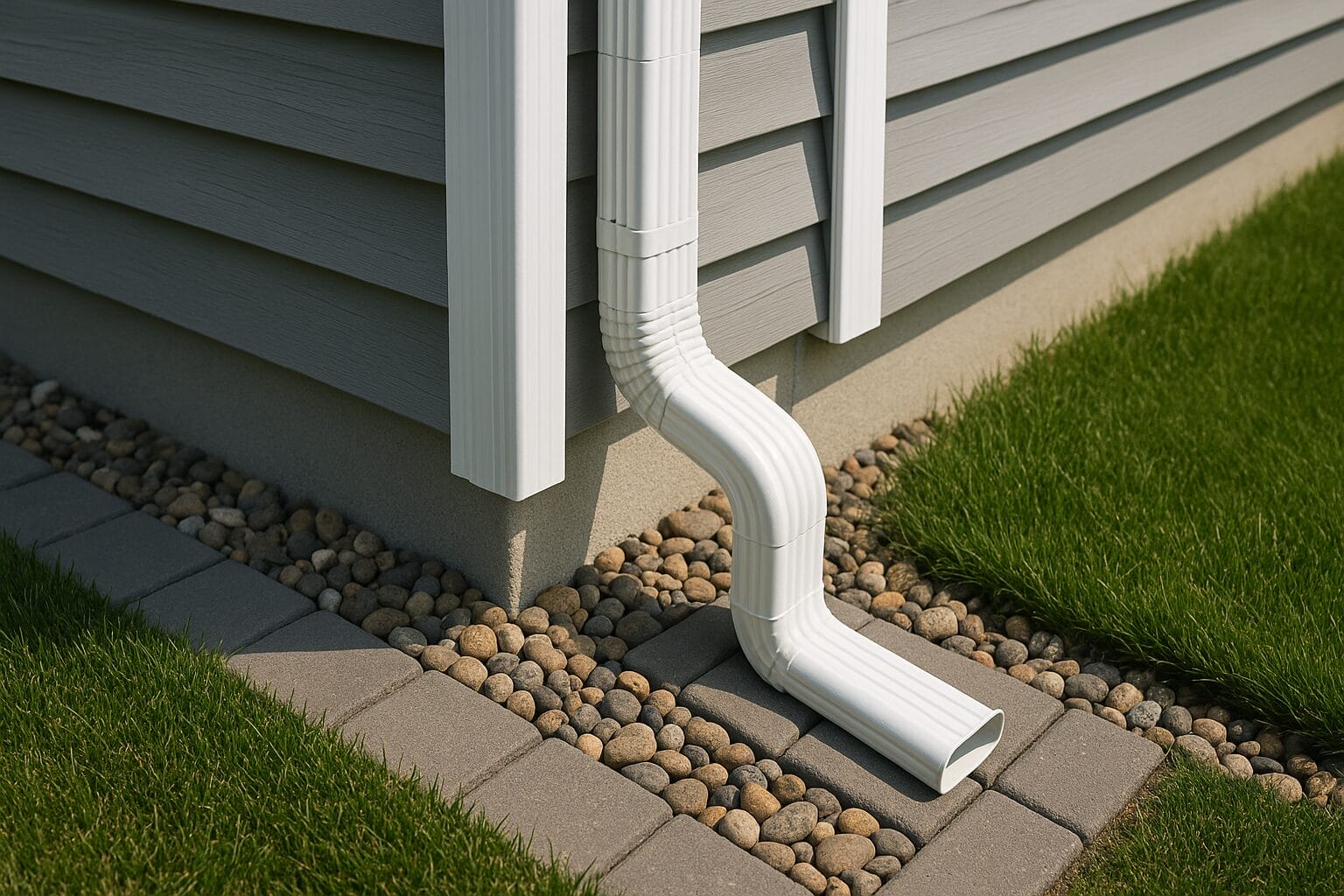
Downspouts (vertical pipes that carry water down)
-
Hangers and brackets (support the gutter)
-
Flashing (connects gutter to roofline and prevents leaks at the roof edge)
Immediate visual signs your gutters are leaking
Let’s start with the easy stuff — the things you can spot from the ground or with a quick ladder check. These signs are the tip of the iceberg, but they’re the quickest indicator that something’s wrong.
Water spilling over the sides during rain
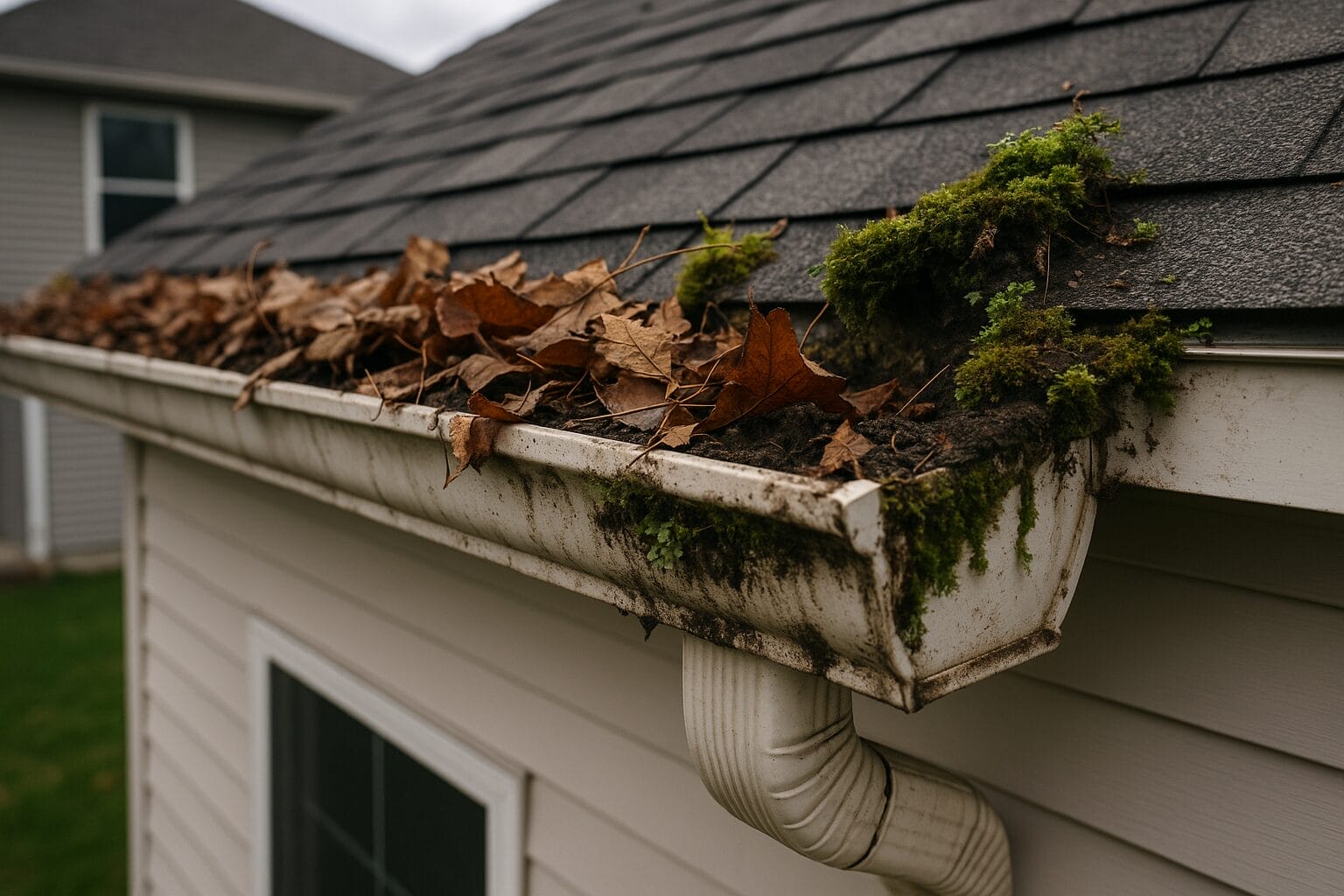
If water pours over the gutter lip while it’s raining, it’s a sign there’s either a blockage, insufficient capacity, or a leak diverting flow. This is especially common during heavy storms in Fort Wayne or Warsaw where sudden downpours overload gutters.
Stains and streaks on siding and paint
Brown or dark streaks running down siding or peeling paint near eaves often mean water is escaping the intended path. Over time, that moisture causes rot, mold, and expensive repairs.
Rust, holes, or visible cracks
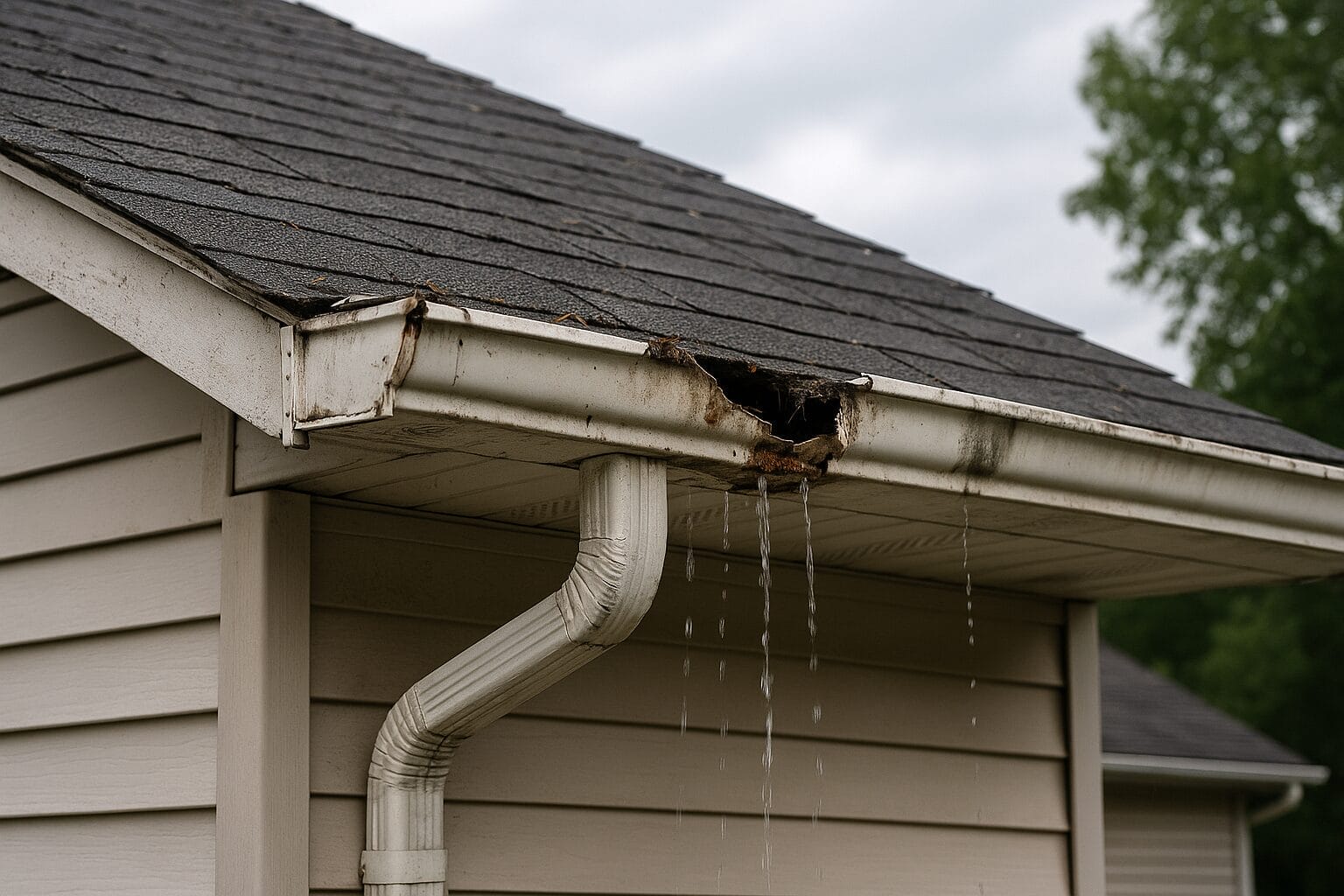
Metal gutters may develop rust and holes; vinyl ones crack in cold temperatures. Any obvious holes or separations are direct leak points.
Wet spots or drips under gutter seams and joints
Seams and joints are the weakest points. If you see drips right under seams, it’s a hint that the seal has failed.
Subtle exterior signs that indicate a slow leak
Not all leaks scream. Some whisper. If you pay a little attention, you can catch those whispers before they turn into shouts.
Stained fascia and rotted trim
Fascia boards are a canary in the coal mine — they react to moisture fast. Soft, crumbly fascia or dark stains behind gutters suggest water is getting behind the system.
Peeling or bubbling paint beneath gutters
Paint damage along the eaves or on the soffit is often due to trapped moisture escaping slowly. This is a chronic sign of leakage or improper drainage.
Ground erosion or saturated soil near foundations
Water that should be directed away but is instead leaking and pooling can erode soil next to the foundation. Over time, that can lead to foundation problems or basement dampness — especially a concern around older homes in Huntington or Decatur.
Plants or grass that are unusually lush under downspouts
A very green strip of grass beneath a downspout might sound nice, but it often means excess water is saturating that area. It could be a blocked downspout or a leaking joint dumping water at the base.
Interior clues: what leaks look like inside your house
Water can travel farther than you’d expect. A leak in the gutter can lead to interior damage that only shows up days later. Here’s what to watch for inside your home.
Ceiling stains or bulging drywall
Brown rings on ceilings or bulging drywall is a red flag — water has breached the roof or eaves and migrated inside. That could be from a gutter overflow that pushed water under the shingles.
Mold and mildew in the attic
If you find mold inside your attic or notice musty smells after storms, it may be because gutters were failing to move water away, causing moisture to infiltrate roof decking.
Basement dampness or new cracks
Basements that become damp after heavy rainfall are often a symptom of poor site drainage. Gutters that leak near the foundation or downspouts that discharge too close to the house are common causes — something to watch for in flood-prone areas like parts of Waterloo and New Haven.
Roof and shingle indicators linked to gutter leaks
Your roof may show indirect signs that the gutter system above it isn’t doing its job.
Loose or missing shingles at the eaves
When water accumulates behind the drip edge due to blocked or leaking gutters, it can loosen shingles and cause damage at the eave line.
Ice dams and frozen overflows in winter
In colder months in places like Kendallville or Bluffton, ice dams can form because gutters are clogged or leaking, preventing proper drainage and causing ice to build up at the roof edge — which then forces water under shingles.
Pest and insect activity tied to gutter problems
Leaking gutters create an inviting environment for pests. If you’re seeing more critters than usual, your gutters could be part of the reason.
Stagnant water attracting mosquitoes
Any sitting water in your troughs due to leaks or clogs becomes a breeding ground for mosquitoes. That’s both annoying and a health risk.
Birds and rodents nesting in sagging gutters
Sagging sections that hold debris are perfect nesting spots for birds, squirrels, and raccoons. Those nests worsen blockages, creating a vicious cycle.
How to test your gutters (simple DIY checks)
Ready to play detective? Here are practical tests you can run from the ground and with a ladder to confirm a leak.
The garden hose flow test
-
Have a helper hold the hose on the roof (or use a ladder if you’re comfortable).
-
Start at the highest point and let water flow along the gutter while you watch from below for leaks, drips, or overflows.
-
Check seams, end caps, and transitions near downspouts — they’ll often betray leaks under water pressure.
Visual and tactile inspection with a ladder
-
Wearing gloves, run your hand along the underside and inside the gutter to feel for holes or soft spots.
-
Look at the hangers — if they’re spaced far apart or missing, gutters may sag and slope incorrectly, causing pooling and leaks.
Waterfall test from segments
If you suspect a specific segment, remove debris and pour water into the upstream section then watch where it appears below. This localized test isolates problematic joins.
Nighttime flash inspection
At night, use a flashlight inside the attic or below eaves to spot wet spots as you run the hose. Water often shows as shining streaks or wet reflections that are hard to see daytime.
Common leak sources and how to recognize each
Knowing where gutters usually fail helps you pinpoint a problem quickly. Each failure type has different fixes.
Loose or separated seams
Seams can pull apart with age or thermal expansion. Look for water beading at the joint line or drips beneath seams during the hose test.
Damaged end caps
If water drips near the gutter ends, end caps may be failing. End caps can split, rust, or shrink (in vinyl), letting water escape.
Loose or damaged hangers and brackets
Sagging sections likely mean hardware failure. Sags trap water and create continuous overflow that eventually eats through the gutter bottom.
Downspout blockages and disconnects
Downspouts can clog with leaves, twigs, or even small animals. If the downspout outlet disconnects or corrodes near the joint, water escapes before being channeled away.
Pinholes and corrosion
Older metal gutters often develop tiny holes from rust. These may look harmless but create consistent wetting of fascia and soffits.
Temporary fixes you can try today
Not every gutter problem requires a full replacement. Here are stop-gap fixes you can do to limit damage until a permanent repair is arranged.
Clean the gutters and downspouts
Sometimes the “leak” is just overflow from clogs. Clearing debris can restore flow and mask symptoms immediately.
Gutter sealant for seams and small holes
Exterior-grade gutter sealants work well for small seam leaks and minor holes. Make sure the area is dry and clean before applying for the best adhesion.
Gutter tape and patch kits
Self-adhesive patches can temporarily seal holes or cracks. They’re not permanent, but they buy time and reduce water damage right away.
Adjust or add hangers
If the gutter is sagging, adding hangers and re-pitching can restore proper flow. This is a relatively modest DIY job if you’re comfortable on a ladder.
When a leak means you should replace the gutter
Sometimes a repair is a band-aid on a bigger problem. Here are scenarios when replacement is the smarter long-term choice.
Widespread corrosion or multiple leaks
If you find pinholes across many sections or metal has thinned significantly, replacement often costs less long-term than constant repairs.
Severe sagging and warped sections
When the structure itself has warped or the gutters have lost their shape, repairs won’t restore functionality. New gutters will ensure proper pitch and capacity.
Repeated issues despite repairs
If you patch the same seam again and again, the system may be past its useful life. New materials, such as seamless aluminum, can eliminate many common failure points.
Gutter materials and how they affect leaks
Not all gutters are created equal. Material determines longevity, susceptibility to leaks, and repair options.
Aluminum gutters
Lightweight and rust-resistant, aluminum is common. It can dent and seams can fail, but it typically lasts decades in the Indiana climate.
Vinyl gutters
Vinyl won’t rust, but it becomes brittle in cold winters and may crack. Joints can separate under stress or sun exposure.
Copper gutters
Copper is durable and attractive, resisting corrosion well. Leaks are rare but when they happen, repairs are often specialized and pricier.
Steel gutters
Steel is strong but prone to rust if not coated well. Rusted-through areas are common leak sources with age.
Seasonal issues to watch for in northeastern Indiana
Local weather patterns — heavy spring rains, summer storms, and freeze-thaw winters — influence gutter performance. If you live in Fort Wayne, Waterloo, or nearby towns, keep these seasonal tips in mind.
Spring — pollen and storm season
Spring storms bring volume and accumulated winter debris can clog gutters. Clean-out after winter and before spring rains to avoid overflow.
Summer — thunderstorms and leaves
Summer storms in the Midwest can produce sudden heavy rainfall. Ensure gutters are clear and downspouts directed away from foundations in towns like Garrett and Ossian.
Fall — leaf fall and clogging
Fall is the most important season for cleaning. Leaves from maples, oaks, and sycamores can quickly create dams that block water flow.
Winter — ice dams and freeze damage
Freezing and thawing causes expansion and contraction that can split vinyl or stress seams. Make sure gutters have proper slope and insulation above the eaves to reduce ice buildup.
Maintenance schedule that prevents leaking problems
Prevention is cheaper than repair. Here’s a practical maintenance calendar you can follow.
-
Spring: Full clean, inspect seams and hangers, test downspouts.
-
Summer: Mid-season visual check after storms, remove debris as needed.
-
Fall: Deep clean before leaf drop, check for loose brackets and reseal seams.
-
Winter: Remove heavy ice when safe, and verify proper attic insulation and ventilation to prevent ice dams.
Safety tips for gutter inspection and repair
Working on gutters involves heights and tools. Safety first — always.
-
Use a sturdy ladder and have someone spot you.
-
Wear gloves and eye protection when clearing debris.
-
Avoid standing on gutters; use the ladder properly or a platform.
-
Don’t attempt roof work during rain, snow, or high winds.
-
If in doubt, call a professional — especially for multi-story homes in downtown Fort Wayne or complex rooflines in Warsaw.
When to hire a professional — red flags you shouldn’t ignore
DIY can handle many fixes, but certain issues signal it’s time to bring in pros. Hiring someone local guarantees they know Indiana weather and typical home challenges.
Extensive fascia or soffit rot
Rotting structural wood around the eave requires carpentry skills and likely more than a simple patch.
Multi-story or steep roofs
Safety risk increases with height and roof pitch. Professionals have the gear and experience to work safely and quickly.
Complex leaks tracing to roof vs. gutter
If you can’t determine whether the water is coming from an under-shingle leak or the gutter, professionals will diagnose correctly and avoid unnecessary replacements.
Costs and budgeting for repairs or replacement
Costs vary widely based on material, home size, and job complexity. Here’s a rough guide to help you budget.
-
Minor repairs (sealant, patching, adding hangers): typically under $200.
-
Partial replacement of sections: $200–$800 depending on length and material.
-
Full gutter replacement: $1,000–$3,500 for standard aluminum on an average single-family home; copper and premium seamless options cost more.
Remember, prices in smaller towns like Roanoke or Spencerville may be slightly lower due to local labor rates, but material costs remain similar. Always get multiple estimates and check reviews.
Checklist: Step-by-step inspection plan
Use this quick checklist to methodically diagnose gutter leaks:
-
Inspect gutters from the ground for visible streaks or stains.
-
Climb a ladder with a partner and clear any debris.
-
Run the garden hose in segments and watch for leaks, drips, or overflows.
-
Check seams, end caps, and downspout connections for gaps.
-
Feel for soft fascia or rotted wood behind gutters.
-
Inspect downspout discharge points — ensure they direct water away from the foundation.
-
Document problem areas with photos for a contractor if needed.
Small-town examples — typical problems we see locally
Homes across northeast Indiana share common themes. Here are a few situation sketches you might relate to:
-
A historic house in Angola with old steel gutters rusting at seams — frequent drips under heavy rain.
-
A newer vinyl home in Leo-Cedarville that cracked gutters during a cold snap, leading to slow leaks under the eaves.
-
A tree-lined property in Garrett where fall leaves clog downspouts, causing overflow and fascia stains.
-
A home near the Wabash River in Huntington where soggy soil near the foundation pointed to improper downspout routing.
Long-term solutions that prevent future leaks
If your goal is peace of mind, consider these longer-lasting upgrades:
Seamless gutters
Made from continuous lengths of metal, seamless gutters minimize joints — a major leak source.
Gutter guards and leaf protection
While not perfect, high-quality guards drastically reduce clogs from leaves and seeds — a big help in tree-heavy neighborhoods like Bluffton and Wolcottville.
Downspout extensions and splash blocks
Direct water at least 4–6 feet away from the foundation to prevent soil saturation and basement issues.
Proper attic insulation and ventilation
Controlling attic temperatures reduces ice dams and the freeze-thaw cycle that damages gutters.
Conclusion — Listen to what your gutters are telling you
Gutters don’t lie. They’ll give you obvious clues — like drips and overflow — and quieter warnings — like stained fascia and soggy soil. By inspecting regularly, running a few simple tests, and making timely repairs, you can protect your home from costly water damage. Whether you’re in Fort Wayne, Kendallville, or anywhere across northeast Indiana, a proactive approach keeps gutters doing the job they were meant to do: safely carrying water away from your house.
If you find problems beyond a quick fix, consider calling a local pro who understands the climate here and can advise on the best materials and routing for your home.
FAQs
-
How often should I inspect my gutters for leaks?
Inspect gutters at least twice a year — spring and fall — and after big storms. If you have many trees on your property, check them more frequently. -
Can I seal a leaking gutter myself?
Yes, small leaks at seams or tiny holes can be sealed with exterior-grade gutter sealant or patch kits. Make sure the area is clean and dry for the best results. -
Are gutter guards worth the investment?
They can be, especially if you have heavy leaf fall. Guards reduce clogs and the maintenance burden but don’t eliminate the need for occasional cleaning. -
How can I tell if water damage is from gutters or roof leaks?
Run the garden hose along the roof and gutter line while someone watches the interior. If water shows up only when the gutter is tested, it’s likely the gutter; if water appears from under shingles, it could be a roof issue. -
When should I call a professional instead of doing it myself?
Call a professional if your home is multi-story, your gutters are widely corroded, you see extensive rot in fascia or soffit, or you’re uncomfortable with ladder work. Professionals can also provide long-term solutions like seamless gutters and proper downspout routing.