Introduction — Why Timing Your Gutter Project Matters
Have you ever put off a home project and then regretted it during the next storm? Installing gutters is one of those jobs that quietly pays dividends year after year. The timing you choose for installation can affect cost, convenience, safety, and even how long those gutters last. Whether you live in Fort Wayne, Auburn, Warsaw, or a smaller town like Churubusco or Ossian, knowing the best time of year to install gutters helps you avoid rush seasons, bad weather, and unnecessary expense.
Quick Answer: When Is the Best Time?
Short answer: Late spring through early fall is usually the best window for gutter installation across northeastern Indiana. But there’s nuance. Weather patterns, tree cover, business cycles for contractors, and whether you’re replacing or installing new gutters all influence the optimal timing.
How Seasons Affect Gutter Work — A Seasonal Breakdown
Spring (Late March through May)
Spring is a strong candidate for many homeowners. Temperatures warm up, but it’s not yet the heat of summer. Crews are back at work full-time, and you’ll often find reasonable scheduling windows. However, spring can also bring heavy rains and allergy season — which may slow things if your installer needs to reschedule for storms.
Summer (June through August)
Summer is popular for exterior projects. Dry weather and long daylight hours mean steady progress and predictable working conditions. The flip side: contractors may be booked, and if you live in a hot, humid place like parts of Indiana in July, high temperatures can make working conditions tough and sometimes increase costs.
Fall (September through November)
Fall is often ideal for gutters. Leaves are starting to fall (so if you wait too long you might be cleaning up a lot of debris), but temperatures are pleasant and storm frequency tends to decrease. Many homeowners schedule gutter upgrades in the early fall so the system is ready for winter. Contractors may also offer off-season discounts as their summer calendars wind down.
Winter (December through February)
Winter is the least desirable time to install gutters in Indiana. Snow, ice, and freezing temperatures complicate safe ladder work and metal handling. That said, urgent replacements due to damage or leaks can’t always wait. If you need an emergency install in Huntington or New Haven in winter, pros can still do it — but expect higher labor costs and scheduling constraints.
Why Weather and Temperature Matter
Think of gutter installation like baking a cake: some ingredients work best at certain temperatures. Metal gutters expand and contract depending on the temperature. Adhesives and sealants cure better when it’s neither freezing nor sweltering. Also, wet conditions make rooftop work hazardous and reduce the accuracy of measurements. For a high-quality job that lasts, moderate, dry conditions are preferable.
Temperature Ranges to Prefer
- Best: 45°F–85°F (7°C–29°C) — materials behave predictably, sealants cure properly, and crews work safely.
- Acceptable: 35°F–45°F and 85°F–95°F — possible with experienced crews but expect some limitations.
- Problematic: Below 35°F or above 95°F — increased risk of errors, slower work, and potential material issues.
Local Climate Nuances: Northeast Indiana Considerations
Living in or near Fort Wayne, Angola, or Kendallville means dealing with a Midwest climate — cold winters and humid summers. Here are a few local points to keep in mind:
- Spring storms can be intense. Plan installs before the heavy spring rainfall or after the worst of it passes.
- Summer humidity can make work uncomfortable but not impossible. Hydration and scheduling early morning installs help.
- Fall often brings cooler, drier days — perfect for installation. Consider planning for September–October in places like Garrett or Columbia City.
- Winter freezes mean you’ll want any major gutter work either completed earlier in the season or delayed until thaw.
New Gutters vs. Replacement: Timing Differences
Are you adding gutters to a house that never had them? Or replacing old ones? The answer affects timing.
New Installation
For a new install, you have more flexibility. Choose a dry, calm time so installers can measure and mount accurately. Spring through early fall is ideal. If your property has many mature trees (say in Wolcottville or Roanoke), aim for late summer or early fall after a big leaf drop cleanup to ensure the sizing accounts for debris needs.
Replacement or Repair
Replacements become urgent if your current gutters fail. If a section is sagging, leaking, or pulling away during a heavy rain, you should schedule immediate attention. If it’s manageable, plan the replacement for a convenient season: fall is great to get ready for ice and snow; spring is good after winter damage assessments.
Material Choices and Seasonal Performance
Your gutter material choice impacts not just performance but also when it’s best to install.
Aluminum Gutters
Aluminum is lightweight, resistant to rust, and easy to install — a popular choice in many Indiana homes. It’s best installed in moderate temperatures when seams and rivets set properly. Too cold and aluminum becomes less pliable; too hot and panels can expand slightly.
Steel Gutters
Steel is strong and durable but heavier. Install when it’s dry to avoid rust risks during exposure. Winter installs should be avoided if possible.
Copper Gutters
Copper looks beautiful and lasts decades. However, it’s costly and requires precise workmanship. Install in stable weather to protect the finish and allow solder joints to set properly.
Vinyl Gutters
Vinyl is inexpensive and easy to DIY, but it becomes brittle in cold weather. Install in warm months to avoid cracking and ensure a long lifespan.
Workload and Contractor Availability: When Rates and Scheduling Shift
Contractors operate like restaurants — peak times and slow periods. Summer is the busy “lunch rush,” while late fall and winter can be quieter. If you want earlier scheduling and possibly lower prices, booking in the shoulder seasons (late spring or early fall) can be smart. Waiting until heavy rain seasons or the dead of winter can push you into expedited scheduling and premium rates.
How to Book Smart
- Request quotes in late winter or early spring to compare before the busy season.
- Schedule installs for midweek or early-morning slots to avoid weekend premiums.
- Ask about cancellation/weather policies so you aren’t surprised by reschedules.
Leaf Season and Debris — Why Fall Timing Needs Thought
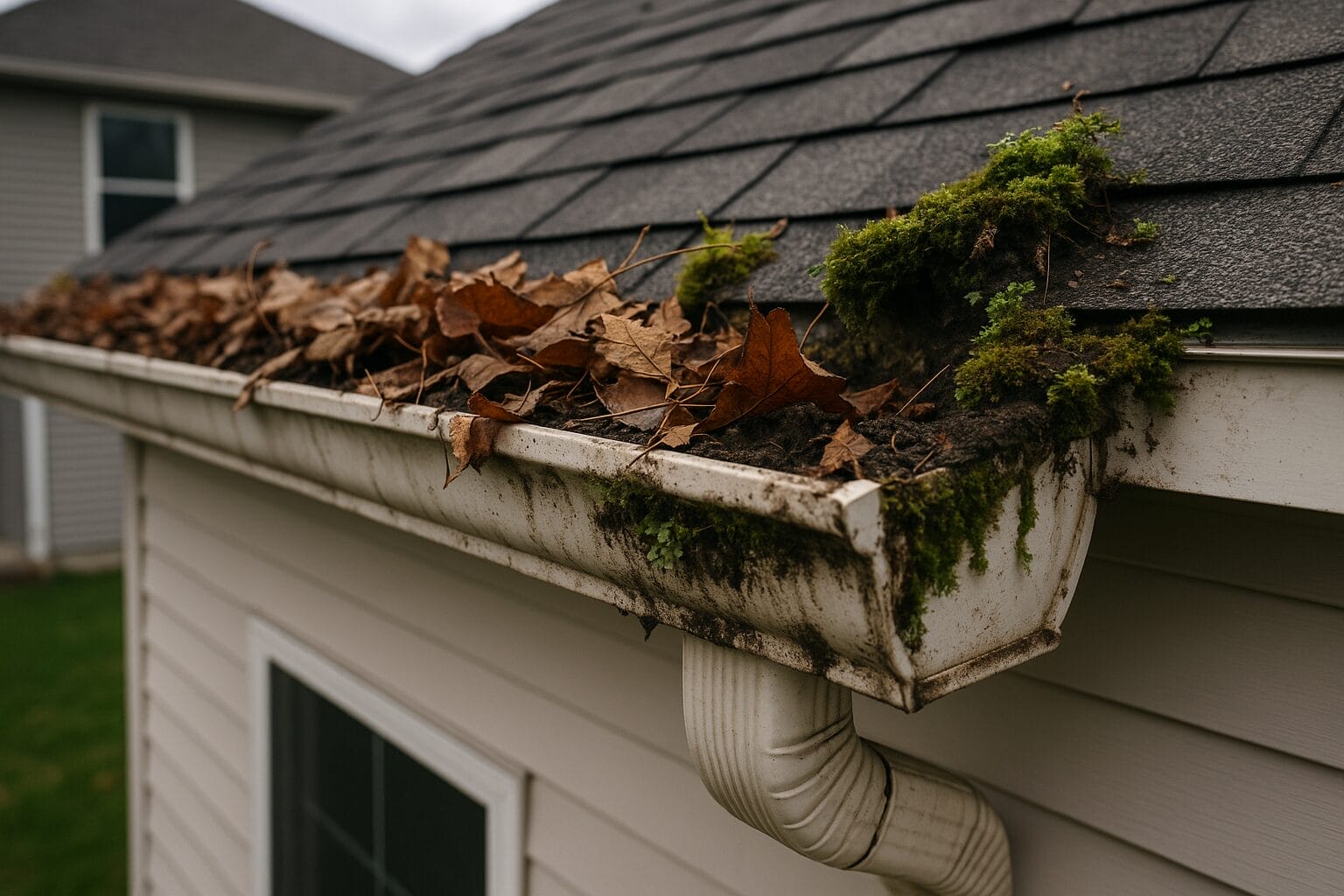
Installing gutters right as leaves start falling might seem efficient — get them up before the mess hits. But if your property has heavy tree cover (common in parts of Warsaw and Huntington), you may need to install leaf guards or schedule a cleanup in tandem with the installation. Otherwise, you’ll be tasked with clearing out fresh debris before the system can function optimally.
Leaf Guards: Install When?
Leaf guards are best installed when gutters are dry and installers have unobstructed access. Late summer to early fall is often the sweet spot. If you wait until after heavy leaf drop, installers may need to clean gutters first, increasing labor time.
Ice, Snow, and Freezing — Winter Pitfalls to Avoid
Ice dams and snow build-up are major reasons homeowners think about upgrading gutters before winter. While you want them in place for snow season, installing during winter brings challenges:
- Ladders on icy surfaces are dangerous.
- Sealants and caulks won’t cure properly in freezing temperatures.
- Snow can block access and hide damage, making precise work hard.
If you must replace gutters in winter due to damage, hire experienced pros who use winter-grade sealants and follow strict safety protocols.
Cost Considerations by Season
Costs can vary by season. Peak periods may lead to higher labor rates and longer lead times. Shoulder seasons often provide competitive pricing and faster scheduling. Emergency winter jobs can be the most expensive due to safety and mobilization factors. Always get multiple quotes and ask installers about seasonal adjustments.
Example: How Season Affects Price
- Summer peak job: steady pricing but longer wait times.
- Fall shoulder season: potential discounts and faster start dates.
- Winter emergency: highest cost due to hazards and urgency.
DIY vs. Professional Installation — Timing Tips for Both
Thinking of doing gutters yourself? Great — but timing matters.
DIY Timing
DIY is easiest in dry, moderate weather. Late spring and early fall are perfect. Avoid hot summer afternoons (for safety) and freezing winter days (materials can break). Also consider local permit requirements or HOA rules that might affect how and when you can work.
Professional Timing
Pros can work in a wider range of conditions, but they still prefer moderate weather. Scheduling early keeps you ahead of the seasonal rush, and reputable installers will advise on the best timing for your home specifically — taking into account roof type, landscaping, and gutter material.
Preparing Your Home for Installation — A Seasonal Checklist
Preparation helps installations go faster and cost less. Here’s a checklist you can use regardless of season.
Two Weeks Before
- Trim tree limbs near the roofline — this improves access and reduces future debris.
- Clear walkways and yard for ladders and materials to reduce hazards.
- Locate any hidden shutoffs (if roof-mounted heaters or devices are present).
The Day Before
- Move vehicles away from the work area.
- Inform neighbors if there will be noisy work or brief access near their property.
- Confirm weather forecast and the installer’s plan for rain or wind delays.
Signs You Can’t Wait: When to Schedule Immediately
Some problems demand quick action. Don’t delay if you notice:
- Gutters pulling away from the fascia.
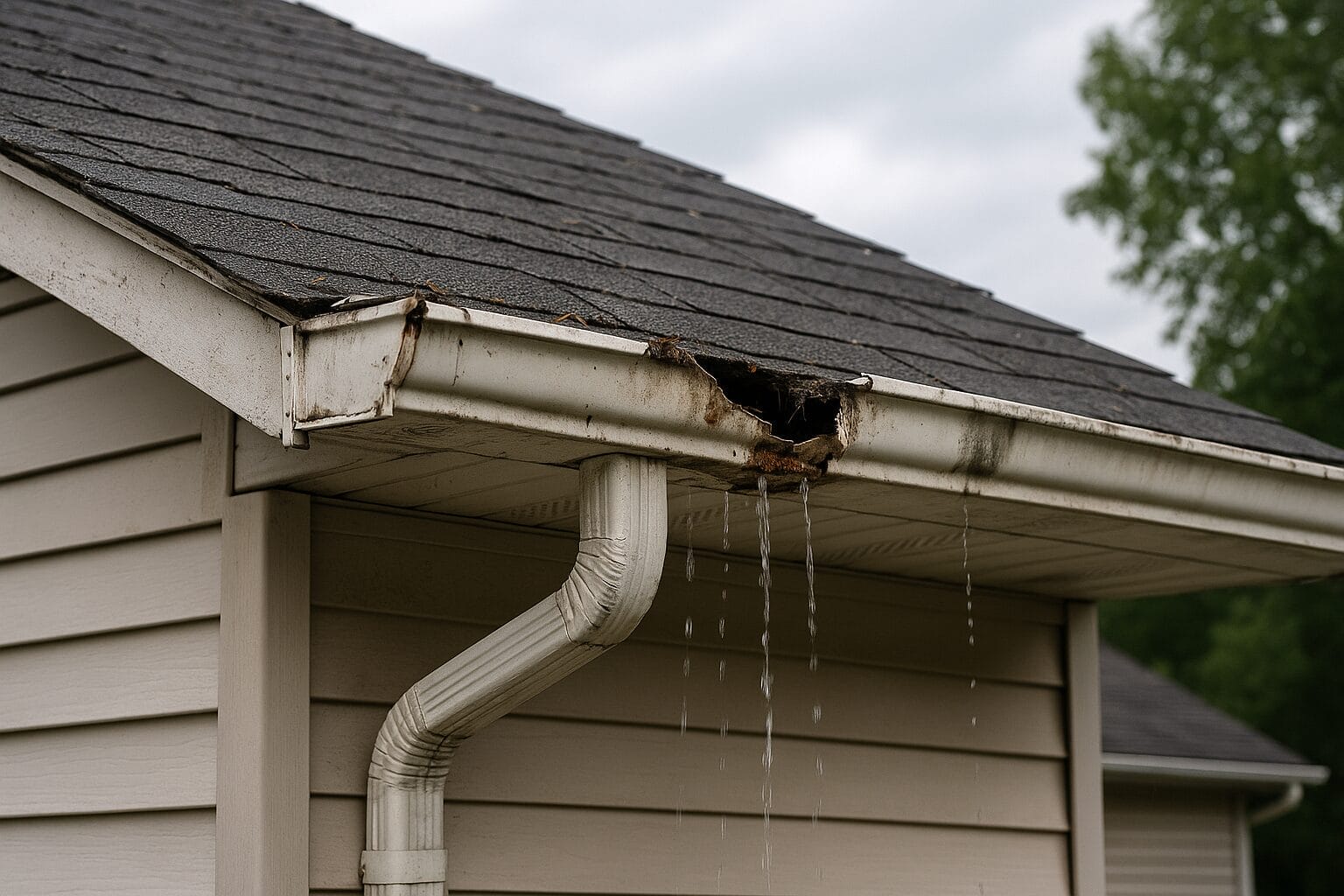
- Large cracks or holes causing leaks.
- Overflow that floods foundations or basement areas.
- Visible sagging or rust breaches (common in older steel systems).
In towns like New Haven or Grabill where intense rain events can be localized, a small failure can quickly turn into a major issue — call a pro right away if you see these warning signs.
How Long Does Installation Take — Expectations by Project Size
Timeframes vary depending on house size, roof complexity, and whether you’re installing gutters only or also adding leaf guards, downspouts, or fascia repairs.
- Small home (1,000–1,500 sq ft): 1/2 to 1 day.
- Average home (1,500–2,500 sq ft): 1 day.
- Larger or complex roof: 1–2 days or more.
If the installers need to custom-fabricate seamless gutters on-site (common with aluminum seamless systems), factor in slightly more time. Busy seasons can also add scheduling buffers.
Permits, HOA Rules, and Local Codes — Don’t Ignore These
Gutter work is usually minor, but some areas require permits for exterior alterations — especially if you’re changing downspout routes that affect stormwater discharge. Check local requirements in Fort Wayne or Warsaw. HOAs may have aesthetic rules about gutter color or material. Ask your installer; a seasoned local contractor will know area-specific regulations.
Choosing the Right Contractor — Questions to Ask
When deciding who will install your gutters, ask:
- Are you licensed and insured? (Protects you in case of accidents.)
- Can you provide references or local examples of completed work?
- What’s your weather/cancellation policy?
- Do you offer warranties on materials and labor?
- How long do you expect the job to take, and when can you start?
Local experience matters. A company familiar with Fort Wayne-area winters and Kendallville rainfall patterns will give you better guidance than a general contractor who works only in dry-climate regions.
Common Mistakes Homeowners Make When Timing Gutter Installation
We all try to save money and time, but some choices backfire:
- Waiting until flood season — now you’re in an emergency situation paying premium rates.
- Scheduling during heavy leaf drop without planning cleanup — gutters get clogged immediately.
- DIY installs in poor weather — leading to damage or shortened lifespan from improper fastening or materials set in wrong conditions.
Special Considerations for Historic or Older Homes
Older homes often have unique rooflines, decorative trim, or sensitive materials. If you live in a place with older housing stock — perhaps in downtown Fort Wayne or older neighborhoods in Huntington — choose a contractor experienced in historic homes. They’ll advise on approaches to avoid damaging fascia, siding, or architectural details, and recommend seasons that minimize exposure and risk.
Case Study: Ideal Scheduling for a Typical Northeast Indiana Home
Let’s walk through an example. Imagine a 1,800 sq ft home in Columbia City with mature oak trees and outdated steel gutters that sag. What’s an ideal schedule?
- Late July: Request estimates and confirm contractors are licensed and insured.
- August: Book an early-September slot (shoulder season) so work is complete before heavy leaf drop.
- Early September: Contractors install new aluminum seamless gutters and leaf guards on a cool, dry day. Sealants cure properly, and installers clean up leaf debris first.
- October–February: System is ready for ice and snow, reducing ice-dam risk and protecting the foundation during freeze-thaw cycles.
That timeline gives you the best balance of cost savings, weather predictability, and preparedness for winter.
Maintenance Tips After Installation — Seasonal Checklist
Installing gutters is only half the story. Regular maintenance keeps them working and extends their life.
Spring
- Clear out winter debris.
- Inspect for winter damage and loose fasteners.
Summer
- Check for sagging after thunderstorms.
- Trim branches that touch the roof.
Fall
- Do a major clean-out after most leaves fall.
- Consider adding or servicing leaf guards.
Winter
- Monitor for ice dams and clear snow off the roof safely if necessary.
- Address any persistent drips quickly to prevent freeze damage.
Energy Savings and Home Protection — The Long-Term Upside of Proper Timing
Getting your gutters installed at the right time isn’t just about convenience. It protects your home’s foundation, landscaping, and siding. Properly functioning gutters prevent basement leaks and soil erosion around your foundation — issues that can lead to costly repairs. Think of timely gutter installation like vaccinating your home: a little effort early prevents big problems later.
Final Thoughts — How to Decide for Your Home
Here’s a simple decision flow you can use:
- Is it an emergency? Schedule now — safety first.
- Is your property tree-heavy with autumn leaf drop? Aim for early fall but plan cleanup.
- Want the best balance of price and availability? Book in late spring or early fall.
- Hate summer heat or have a delicate roof? Avoid mid-summer installs; choose cooler months.
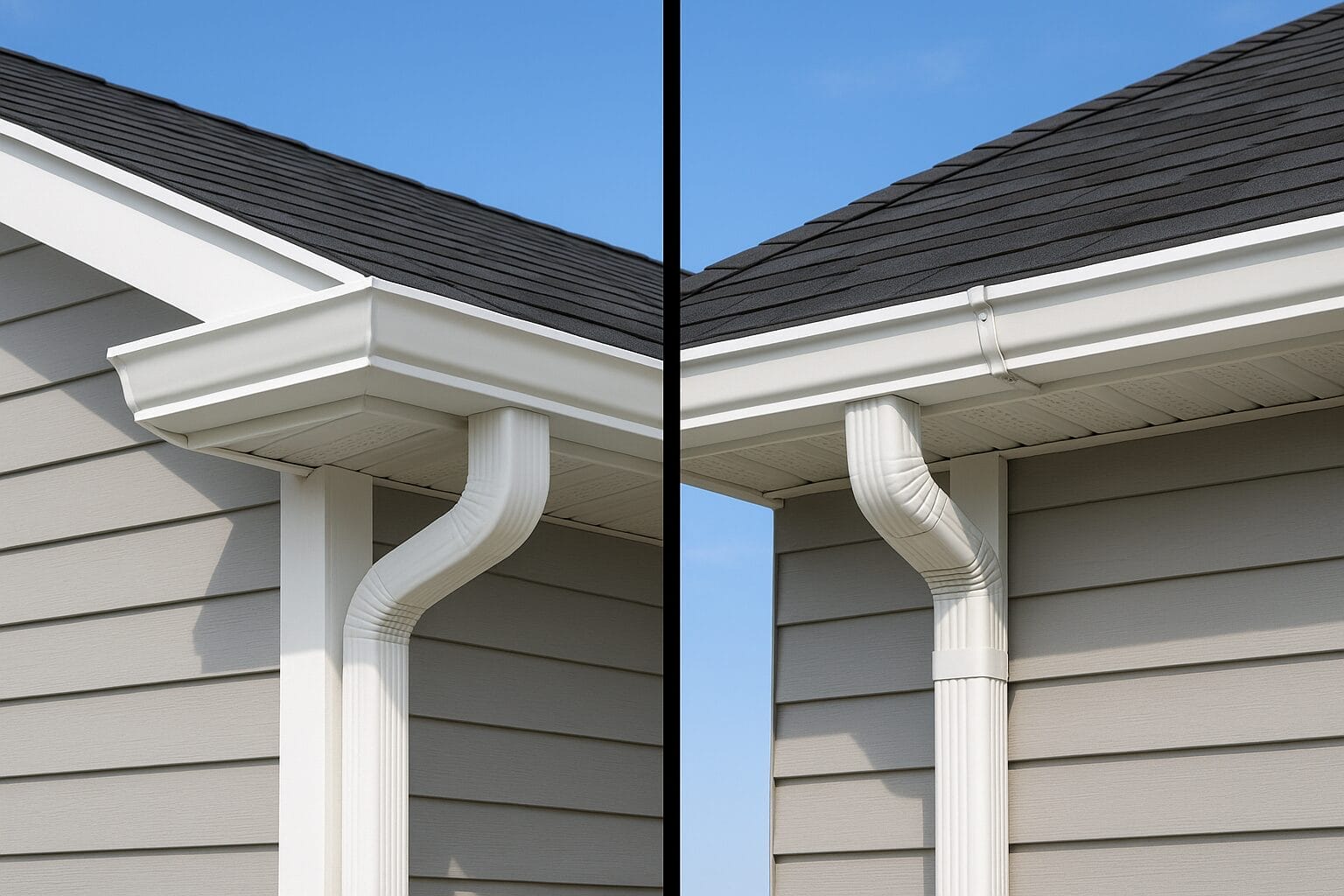
In most of the cities we serve — Fort Wayne, Auburn, Columbia City, Garrett, and others across northeast Indiana — late spring through early fall gives you the most options and the best conditions for durable, well-installed gutters.
Summary
Timing matters when installing gutters. For most homeowners in northeastern Indiana — from Fort Wayne and New Haven to Kendallville and Warsaw — the window of late spring through early fall offers the best combination of weather, contractor availability, and installation conditions. Fall can be excellent for getting ready for winter, while spring lets you catch up after freeze damage. Avoid winter installs whenever possible unless it’s an emergency, and consider local weather, tree cover, and material type when scheduling. With a little planning and the right contractor, your gutters will protect your home for years to come.
Frequently Asked Questions (FAQs)
1. Is it bad to install gutters in winter?
It’s not ideal. Winter brings ice, snow, and freezing temperatures that make ladder work hazardous and can affect sealants and fasteners. If the job is urgent, professionals can do it, but expect higher costs and safety precautions. Whenever possible, schedule for late spring, summer, or fall.
2. Should I install leaf guards at the same time as new gutters?
Yes — if you have lots of trees, installing leaf guards during the gutter install saves time and money later. Install when gutters are dry and installers have clear access, typically late summer to early fall or late spring.
3. How do I know if my gutters need replacement or just repairs?
If gutters are sagging, leaking at seams, rusted through, or causing foundation water issues, replacement is often the smart long-term choice. Small sections can sometimes be repaired, but the age of the system and extent of damage determine the best route. Ask a trusted local pro for an on-site assessment.
4. Can I DIY my gutter installation, and when is the best time to do it?
DIY is possible for simple jobs with vinyl or sectional aluminum gutters. Best time: dry, moderate-weather days — late spring or early fall. Avoid extreme heat and freezing temperatures, and always follow safety practices for working on ladders and roofs.
5. How far from my foundation should downspouts discharge?
Ideally, downspouts should direct water at least 4–6 feet away from the foundation, and even farther if your lawn slopes toward the house. In some cases, you may need to add extensions or underground drains to carry water to a safe outlet. A local contractor in places like Roanoke or Bluffton can recommend solutions that respect local grading and drainage rules.