Introduction: Why Gutters Deserve More Attention Than You Think
Have you ever stood on your porch during a heavy rain and watched water cascade down the sides of your home? It’s satisfying at first — until you realize that water is finding its own path because the gutters aren’t doing their job. Gutters are the unsung heroes of your home’s exterior, quietly channeling rain away from your roof, walls, and foundation. But like any hardworking system, they need regular care. So, why is regular gutter cleaning essential for your home? Let’s walk through it together.
What Gutters Do: The Simple Job With Big Consequences
Gutters in plain language
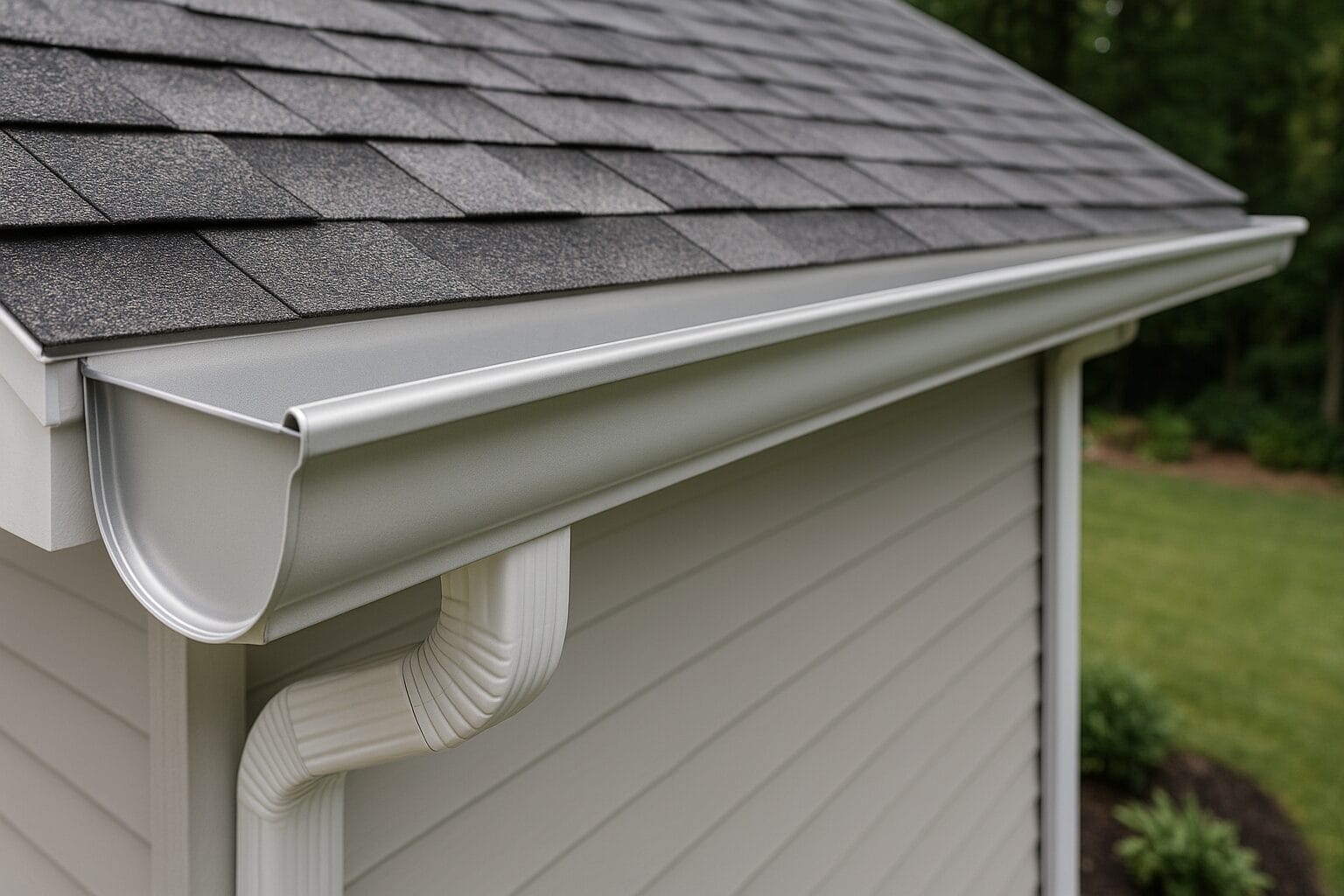
Think of gutters as the plumbing for your roof. They catch rainwater and direct it to downspouts, which then route the flow safely away from your house. When they work well, you don’t notice them — that’s the point. When they clog, you notice fast.
Why a clear path matters
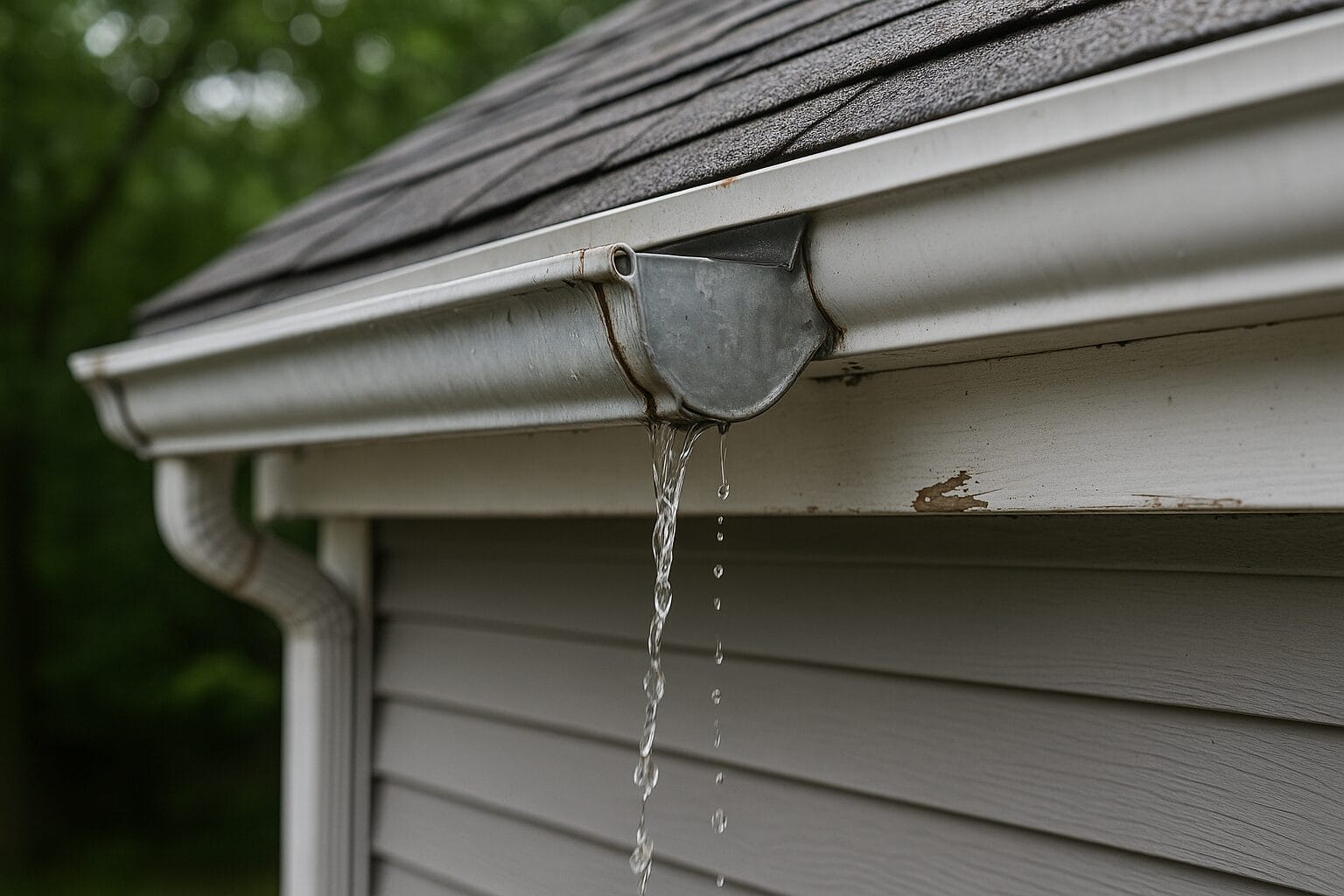
Water is persistent. If your gutters don’t guide it properly, it will find another route — often over the roof edge, down the siding, or pooling near your foundation. Over time, that “little misdirection” becomes expensive damage.
Top Reasons Regular Gutter Cleaning Is Essential
1. Preventing roof and fascia damage
Leaves, twigs, and debris pile up and hold moisture. That trapped moisture rots wood, ruins fascia boards, and shortens the lifespan of your roofing materials. It’s like leaving a sponge on your roof edge — soft, damp, and destructive.
2. Protecting your home’s foundation
When gutters overflow or downspouts are blocked, water pours down the side of your house and settles around the foundation. Repeated saturation can cause cracks, shifting, and costly structural repairs. Imagine pouring a small pond around your home every time it rains — that’s effectively what clogged gutters can do.
3. Avoiding basement flooding
Water pooling around your foundation seeks the easiest entry. If your home has any cracks or poor grading, that water can make its way into your basement or crawlspace, bringing mold, mildew, and destroyed belongings with it.
4. Minimizing mold, mildew, and pest problems
Standing water and decomposing organic material in gutters create a breeding ground for mosquitoes, rodents, and other pests. Mold and mildew can spread to your roof and walls, compromising indoor air quality and creating health risks.
5. Preventing landscape erosion
Downspouts that disgorge water right onto a flower bed or lawn can wash away soil, mulch, and delicate plants. Your carefully designed landscaping can quickly look like a washout after repeated heavy rains.
6. Avoiding ice dams in winter
In colder climates, clogged gutters contribute to ice dams — ridges of ice that form at roof edges and keep melting snow from draining. Ice dams force water under shingles and into the home, causing interior damage. This is especially relevant for many Indiana homeowners during freezing months.
7. Extending the life of your gutters
Debris and standing water cause corrosion and weight stress that make gutters sag and pull away from the house. Regular cleaning reduces this wear and tear and delays costly replacements.
Signs Your Gutters Need Attention — Don’t Ignore These Clues
Visible indicators
-
Overflowing water during rain
-
Sagging or pulling away from the roof line
-
Plants or trees growing out of the gutters
-
Staining on siding or brick near the gutter area
-
Peeling paint or rot on fascia boards
Less obvious but important signs
-
Musty smells in the attic (could indicate water penetration)
-
Increase in mosquitoes around your home
-
Small animals frequenting roofline or gutters
-
Foundations cracks or pooling water near the house after rain
How Often Should You Clean Your Gutters?
General rule of thumb
Most experts recommend cleaning gutters at least twice a year — typically in spring and fall. But your home may need more frequent attention depending on your surroundings.
Factors that change frequency
-
Number and type of trees near your house — are you surrounded by oaks, maples, or pines?
-
Local climate and rainfall patterns — humid areas or places with heavy storms need more care.
-
Roof pitch and gutter design — certain shapes trap more debris.
-
Presence of pests — birds nesting or squirrels storing food can increase blockage.
A regional note for our service area
Homes in Fort Wayne, Huntington, and other Northeast Indiana cities often face heavy leaf fall in autumn and wet springs that accelerate clogged gutters. If you live in Angola, Kendallville, or Warsaw, plan for a fall cleaning right after most leaves drop, and a spring check to remove winter debris.
DIY Gutter Cleaning: How to Do It Safely and Effectively
Is it a job you should tackle?
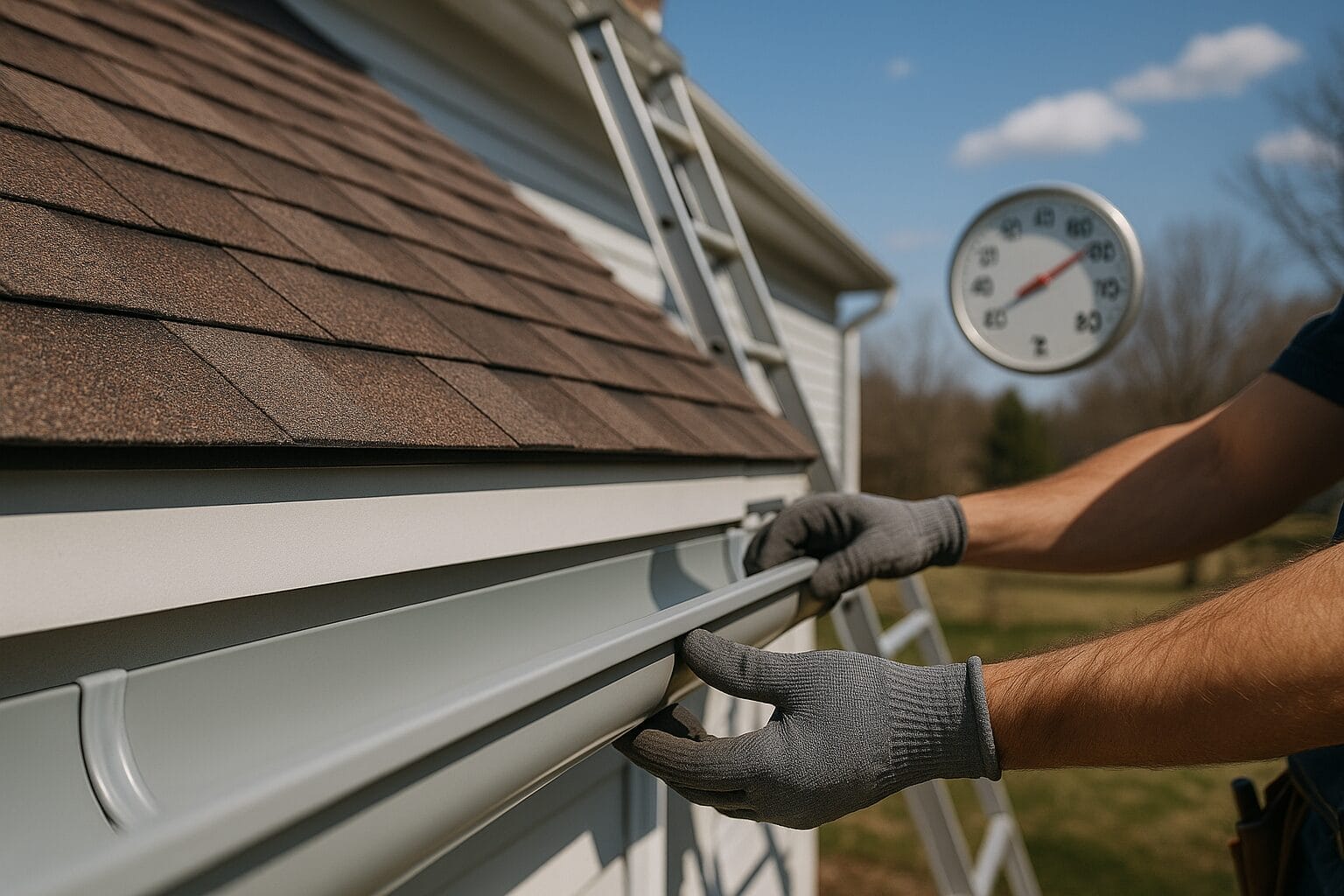
If you’re comfortable on a ladder, have the right tools, and can safely maintain three points of contact, a DIY cleaning might make sense. But if your roof is high, your gutters are fragile, or you have mobility or balance concerns, it’s safer to hire a pro.
Essential tools
-
Sturdy ladder (and ladder stand-offs for stability)
-
Work gloves and eye protection
-
Gutter scoop or small garden trowel
-
Bucket or tarp to collect debris
-
Garden hose with spray nozzle for flushing
-
Gutter cleaning attachment for a pole if needed
Step-by-step DIY cleaning guide
-
Set the ladder on level ground and have a helper steady it if possible.
-
Begin at a downspout and work away, removing debris by hand or scoop.
-
Place debris in a bucket or onto a tarp, don’t throw it down onto plants.
-
After scraping, flush the gutters and downspouts with a hose to check flow.
-
If the downspout is clogged, use a plumber’s snake or hose to dislodge the clog.
-
Check gutter pitch and hangers; tighten or adjust if sagging.
-
Inspect for leaks, holes, or rust spots and mark for repair.
Safety tips you should never skip
-
Never lean sideways while on a ladder — move the ladder instead.
-
Wear gloves to protect against sharp metal and bacteria.
-
Don’t attempt cleaning during strong winds or storms.
-
Use eye protection — debris and dirty water can splash.
Professional Gutter Cleaning: What They Do and Why It Matters
When to call a pro
Professional services are ideal for multi-story homes, complex rooflines, or when you want a thorough job without the risk. Pros also spot problems a homeowner might miss — loose shingles, hidden leaks, or weak anchors.
Typical professional service steps
-
Complete debris removal and proper disposal
-
Flushing downspouts and using video or snakes for stubborn clogs
-
Inspecting the gutter system, hangers, seams, and fascia
-
Minor repairs or recommending parts replacement
-
Providing before-and-after photos and a written report
What hiring a pro costs and why it’s often worth it
Prices vary by home size, height, and complexity. While it might seem cheaper to do it yourself, consider the risk of injury and the value of early detection of problems. A small cleaning fee can prevent thousands of dollars in repairs down the line — that’s why many homeowners in New Haven, Garrett, and Roanoke prefer professionals for peace of mind.
Common Repairs and Maintenance Professionals Provide
Repairing sagging gutters and hangers
Overloaded gutters can pull away from the fascia. Technicians will re-secure hangers or replace failing brackets. This keeps gutters properly pitched so water flows to downspouts.
Fixing leaks and sealing seams
Small gaps and worn sealants let water escape. Pros use appropriate sealants and patches to stop leaks and prevent wood rot.
Downspout repairs and extensions
Sometimes a downspout needs an elbow or underground drainage to move water further from the foundation. Professionals can install extensions or reroute flow to keep landscaping and foundations safe.
Leaf Guards and Gutter Protection: An Ounce of Prevention?
Types of guards
-
Mesh screens
-
Reverse curve (surface tension) guards
-
Foam inserts
-
Brush inserts
Pros and cons
Leaf guards reduce the frequency of cleaning and keep large debris out, but they’re not foolproof. Fine debris, pine needles, and seeds can still collect and sometimes leaf guards complicate cleaning and maintenance. Depending on tree type and roof design, a guard might help — but it’s not a “set it and forget it” solution.
Are leaf guards right for your home?
If you have heavy tree coverage in places like Kendallville or Wolfcottville, a guard could cut maintenance. But choose the right style and have it professionally installed to avoid voiding warranties or creating new problems.
The Environmental and Health Angle: Clean Gutters Protect More Than Your House
Reducing mold and improving air quality
Mold loves damp environments. By eliminating the standing water in clogged gutters, you reduce the likelihood of mold spreading into your home and affecting indoor air quality.
Controlling pests responsibly
Stagnant water and soggy debris are breeding grounds for mosquitoes and attract rodents. Keeping gutters clear removes these habitats, reducing pesticide use and keeping wildlife away from your home.
Proper debris disposal
When cleaning gutters, don’t dump clogs into storm drains or public areas. Bag organic debris and compost it if possible, which is especially reasonable for homeowners in rural areas such as Bluffton and Ossian.
Seasonal Gutter Maintenance Checklist
Spring checklist
-
Remove winter debris and check for ice-damage.
-
Flush downspouts and inspect for blockages.
-
Check for loose hangers and tighten where needed.
-
Inspect fascia and soffits for signs of rot.
Summer checklist
-
Trim overhanging branches to reduce leaf fall and pest access.
-
Check for sneaker or bird nests under gutters.
-
Keep an eye on any sudden changes after storms.
Fall checklist
-
Do a thorough cleaning right after most leaves have dropped.
-
Install or check the condition of gutter guards if you have them.
-
Ensure downspout outlets are clear and routed away from foundation.
Winter checklist
-
Monitor for ice dams and clear snow from roof edges where safe.
-
Have a professional evaluate if you notice repeated ice dam problems.
Cost vs. Value: Why Spending on Gutter Care Pays Off
Short-term vs. long-term costs
A single gutter cleaning is relatively inexpensive compared to roof replacement, siding repair, or foundation work. Think of gutter maintenance as routine oil changes for your car — small investments that keep major systems running longer and prevent breakdowns.
Insurance and resale benefits
Insurance companies look favorably on maintained homes, and buyers will notice a well-kept exterior. Regular maintenance, including written service records, can support your home’s value when you sell.
Common Mistakes Homeowners Make
Waiting until there’s a visible problem
By the time water stains or sagging gutters appear, damage is often already underway. Regular checkups catch small issues before they grow.
Using the wrong cleaners or tools
Chemical cleaners aren’t necessary; plain water and a scoop work fine. Avoid pressure washers on gutters — they can damage seams and paint.
Trying to clean alone without proper safety
Falls from ladders are common. Never compromise safety for “just one more scoop.” If you don’t feel safe, hire someone who does this every day.
Choosing the Right Gutter Service in Your Area
What to look for in a local provider
-
Insurance and licensing — ensure they carry liability and workers’ compensation.
-
References and reviews — check recent customer feedback.
-
Transparent pricing with no hidden fees.
-
Written inspection reports and before/after photos.
Local considerations
If you live in Fort Wayne, New Haven, or surrounding towns like Columbia City or Huntertown, choose a company familiar with local weather patterns and common roof issues. Local providers know how autumn leaves behave in our region and can recommend seasonal schedules tailored to places like Warsaw, Huntington, or Decatur.
DIY vs Professional: Which Is Right for You?
When DIY makes sense
If you have a single-story home, minimal tree cover, and you’re comfortable on a ladder, DIY can be cost-effective. Do it right and do it safely.
When to hire a pro
For multi-story homes, severe clogs, or if you notice structural issues, professionals offer expertise and equipment that ensure a comprehensive job. Plus, they can handle related repairs like resecuring hangers or rerouting downspouts.
Real Stories: What Went Wrong When Gutters Were Neglected
Let me share a quick example: A homeowner in Garrett thought their gutters were fine — they hadn’t had them serviced in three years. After a big spring storm, they found water stains in the basement and a crack in the foundation slab. The repair bill was several thousand dollars, plus the stress of living with a wet basement. That could have been avoided with a couple of routine cleanings a year.
On the flip side, a family in Churubusco who invested in seasonal gutter maintenance saved money on long-term repairs and avoided ice dam issues during harsh winters. Regular care kept their home dry and their heating bills lower because the roof remained intact and insulated.
Final Checklist: Quick Reminders Before Rainy Season
-
Schedule a professional cleaning if you haven’t had one in 12 months.
-
Inspect and tighten hangers and downspouts after a heavy windstorm.
-
Trim branches that overhang your roof to reduce debris buildup.
-
Consider adding downspout extensions to move water farther from your foundation.
-
Keep records of gutter maintenance — it helps with resale and upkeep planning.
Summary
Regular gutter cleaning is one of the most cost-effective ways to protect your home. Clean gutters prevent roof and foundation damage, reduce mold and pest issues, protect landscaping, and help avoid costly repairs like basement flooding or roof replacement. Whether you choose DIY or hire a professional, scheduling cleanings seasonally — and after heavy storms — ensures your home stays safe and dry. For homeowners in communities like Fort Wayne, Kendallville, or Warsaw, adapting your maintenance schedule to local conditions will keep your gutters functioning well year-round. A little attention now can save a lot of money and stress later.
Frequently Asked Questions (FAQs)
1. How often should I clean my gutters if I have many trees around my house?
If you have heavy tree coverage, especially with deciduous trees, clean your gutters at least three to four times a year — early spring, mid-summer, late fall, and after major storms. In areas with lots of maples or oaks (common around Auburn and Bluffton), more frequent checks are wise.
2. Are leaf guards worth the investment?
Leaf guards can reduce cleaning frequency, but they’re not a complete solution. They work best when professionally installed and matched to your roof and tree types. Evaluate the type of debris you get — if pine needles or fine seeds dominate, some guards may not stop clogging entirely.
3. Can clogged gutters cause basement flooding?
Yes. When gutters don’t channel water away, it collects around the foundation and can seep into basements or crawlspaces. Regular cleanings and properly routed downspouts reduce the risk significantly.
4. What are the risks of DIY gutter cleaning?
The primary risks are falls from ladders and improper handling that can damage gutters or roofing. If you’re uncomfortable at heights or lack the right equipment, hiring a professional is safer and often more thorough.
5. How do I choose a reliable gutter cleaning service in my city?
Look for licensed, insured companies with local reviews and transparent pricing. Ask for references and before/after photos. A local company serving places like New Haven, Roanoke, or Huntington will understand regional issues like leaf fall and ice dam tendencies and can recommend the best maintenance schedule for your home.