Introduction: Why Gutters Matter More Than You Think
Have you ever watched a heavy rain and thought, “Does that water really matter?” It does. Gutters are like your home’s first line of defense—think of them as the umbrella that keeps your foundation, siding, roof, and landscaping dry. When they fail, small, sneaky problems become big, expensive headaches: foundation cracks, basement leaks, rotted fascia, warped siding, and even pest infestations. If you live around Fort Wayne, Warsaw, Auburn, or any of the communities in northeast Indiana, you know how big seasonal swings—heavy spring rains, fall leaves, winter freezes—put gutters to the test.
This article walks you through five clear signs you need new gutters, how to check for them safely, when a repair will do and when a full replacement is smarter, cost ranges, material options, and tips for hiring a trustworthy contractor in Angola, Columbia City, New Haven, Huntington, Kendallville, and nearby towns. Ready to protect your house and wallet? Let’s dig in.
Quick Overview: The 5 Big Signs
-
Gutters sagging or pulling away from the house
-
Visible cracks, holes, rust, or separated seams
-
Water overflows or pools around your foundation during rain
-
Peeling paint, mold, rotting fascia, or interior water stains
-
Frequent clogs, standing water, or plants growing in the gutter
Sign 1: Gutters Sagging, Pulling Away, or Drooping
When gutters sag or pull away from the house, it’s more than an eyesore. It’s a symptom of failure. Fasteners and hangers keep your gutters straight and pitched so water flows toward downspouts. Over time, heavy debris, ice, or rusted brackets let sections droop, creating low spots where water pools and overflows.
How to spot sagging
-
From the ground, look for uneven lines along the eaves—gutters shouldn’t look wavy.
-
If you can see the gap between gutter and fascia in places, that’s a visible pull-away.
-
When it rains, check whether water pours off evenly or cascades over drooped sections.
Why sagging happens
Sag happens because of weight. Leaves, pine needles, wet debris, and ice add heavy loads. Over time, screws work loose and clips corrode. Older homes in areas with lots of trees—think Huntertown, Churubusco, or parts of Warsaw—see this often after long fall seasons when leaves pack gutters.
Can you repair sagging or do you need new gutters?
Minor sagging can sometimes be fixed by replacing hangers, re-pitching the run, or cleaning out debris. But persistent sag across long stretches, or when the fascia itself is rotted, usually means replacement is the smarter long-term move.
Sign 2: Cracks, Holes, Rust, or Separated Seams
Small leaks can be patched—but when cracks, holes, or corroded seams become widespread, the gutter’s structural integrity is compromised. Aluminum gutters can dent and crack, steel gutters can rust through, and old seams on sectional gutters often begin to separate after years of thermal expansion and contraction.
Examples to look for
-
Pinholes or rusted spots in metal gutters.
-
Cracked vinyl gutters or brittle sections that snap when nudged.
-
Open seams around corners or along long runs where sealant has failed.
Why material matters
Gutter life depends on material and climate. Aluminum is popular across northeast Indiana for being lightweight and rust-resistant, but older aluminum can split at seams. Galvanized steel is strong but will eventually corrode if the protective coating wears off. Copper can last decades with profile and aesthetic benefits—but it’s costly.
Repair vs replacement
A few isolated cracks or a single loose seam are repairable. But when corrosion is widespread, fasteners have let go, or multiple seams are failing, replacement prevents recurring leak repairs and keeps water where it belongs.
Sign 3: Water Overflowing During Rain or Pooling by the Foundation
If you notice water spilling over the top of your gutter during normal rainfall, that’s a big red flag. Gutters are supposed to channel water away. Overflowing means either the system can’t handle volume (too small or full of debris), downspouts are clogged, or pitch/slope is wrong. When overflow sends water down the foundation, the risk of basement leaks and foundation settling rises.
Common causes of overflow
-
Clogged gutters or downspouts.
-
Insufficient capacity: older homes with narrow gutters might not handle modern heavy storms.
-
Wrong slope—gutters must have a slight pitch to direct water to downspouts.
Immediate fixes you can try
-
Clear debris from gutters and make sure downspouts flow freely.
-
Use a hose to flush the system and spot leaks.
-
Temporary extension of downspouts away from the foundation with flexible piping.
When overflow means replacement
If overflow happens after cleaning, or if your home still floods in heavy rain despite clear gutters, that’s a sign the system is undersized or failing. Seamless, larger-capacity gutters or additional downspouts can solve the problem, but sometimes full replacement is more cost-effective than patchwork fixes—especially in storm-prone areas like Fort Wayne.
Sign 4: Peeling Paint, Mold, Rotted Fascia, or Interior Water Stains
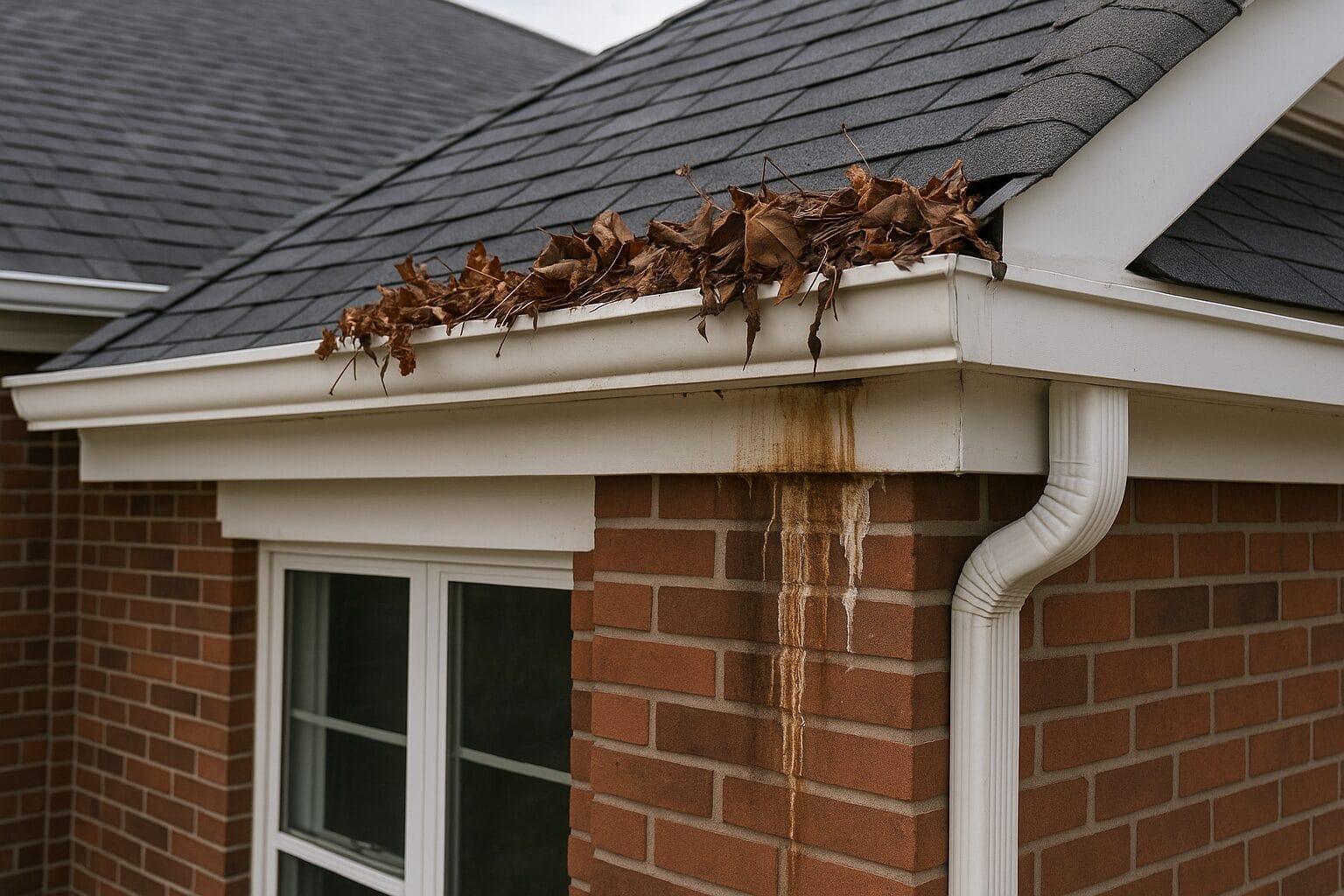
Gutters exist to protect your house materials. When you see paint peeling under the eave, dark staining on siding, soft or crumbly fascia, or ceiling stains inside, the water diverted by gutters is finding other places to go. Those are downstream consequences of gutter failure—and they cost far more than gutters to fix.
Where to look for water damage
-
Under the gutter: watch for flaking paint or black streaks on the siding.
-
Fascia boards: press gently—if it gives or crumbles, rot is present.
-
Interior ceilings or attic insulation: brown water stains or damp insulation are warning signs.
Local weather and damage risk
Northeast Indiana homes can see a lot of freeze-thaw cycles and heavy rains. In towns like Columbia City or New Haven, prolonged wet seasons mean that a compromised gutter isn’t just inconvenient—it’s actively damaging your home structure. If you’re seeing these signs, act fast before the cost grows exponentially.
Repair vs replacement
Small areas of rot can be addressed locally, but if the rot is widespread along the fascia where gutters attach, replacement is usually required—because new gutters will need solid fascia or a backer board to attach to reliably.
Sign 5: Frequent Clogs, Standing Water, or Even Plants Growing in the Gutters
Yes—plants. When gutters are full of decayed organic matter and standing water becomes common, seeds take root and garden-like growth appears. Standing water also signals poor drainage, which attracts mosquitos and creates a health nuisance.
Why standing water is a problem
-
It shortens the life of the gutter material by holding moisture against metal or vinyl.
-
It indicates the gutter pitch is wrong or that obstructions exist.
-
It fosters insects and biological growth that accelerate decay.
Gutter guards: solution or band-aid?
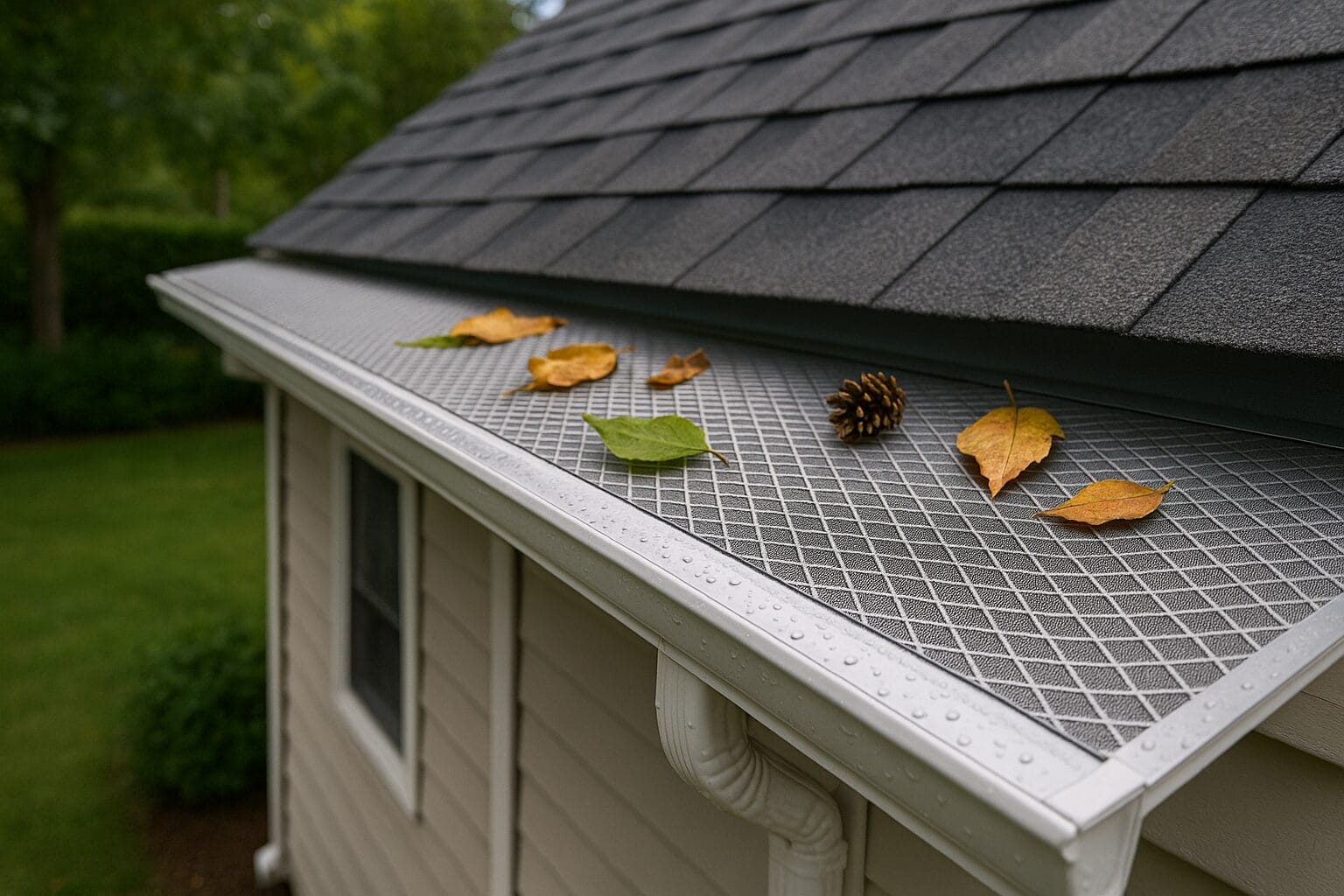
Gutter guards and screens can reduce debris build-up, but they aren’t a cure-all. Cheap guards can trap smaller debris beneath them, still causing clogs. Properly designed systems and periodic maintenance are necessary—sometimes guards buy you time between cleanings, but persistent standing water might mean the gutters themselves need resizing or replacing.
How Old Are Your Gutters? Age Matters
Age is a practical sign. Gutters don’t last forever. Typical lifespans by material:
-
Vinyl gutters: 10–20 years (sensitive to temperature extremes)
-
Aluminum gutters: 20–30 years (common and a good middle ground)
-
Galvanized steel: 20–40 years depending on coating and conditions
-
Copper gutters: 50+ years (durable and attractive, but costly)
If your home in Garrett, Ossian, or Roanoke still has the original gutters from the 1980s or earlier, plan on replacement—even if they look mostly okay—because hidden corrosion, degraded sealants, and fatigued fasteners will limit performance.
Inspection Checklist: How to Evaluate Your Gutters Safely
Want to check your gutters yourself? Great—just be safe. Follow these steps:
-
Use a stable ladder and have a spotter if possible.
-
Wear gloves; gutter edges can be sharp and debris is gross.
-
Look for sagging, rust, holes, separated seams, and soft fascia.
-
Run water through with a hose to test flow and check for leaks.
-
Inspect while it’s raining from the ground to see how the system performs in real conditions.
When to call a pro for inspection
If you’re uncomfortable on ladders, notice significant damage, or discover major leaks or fascia rot, call a professional. They can assess whether targeted repairs or a full replacement is the best long-term choice.
Costs: What to Expect for Repair vs Replacement
Prices vary by material, home size, and local labor rates. Here are general ballparks for homeowners in northeast Indiana:
-
Simple repairs (patching seams, replacing a downspout, reattaching hangers): $100–$400
-
Partial section replacement or new hangers and resealing: $300–$900
-
Full gutter replacement (150 linear feet is typical for a single-family home): $1,200–$4,500 depending on material and whether you choose seamless options
Per linear foot estimates (installed):
-
Vinyl or basic aluminum: $3–$8 per linear foot
-
Heavier aluminum or galvanized steel: $6–$12 per linear foot
-
Copper or premium custom profiles: $20–$50+ per linear foot
Local markets like Fort Wayne and Warsaw might be toward the lower end of national averages due to competition, but material choice and complexity (multiple stories, height, gutter guards, additional downspouts) drive costs up. Always get at least three quotes and ask for itemized bids.
Gutter Materials: Pros and Cons
Picking material is a balance of budget, longevity, and look. Here’s a quick guide:
-
Aluminum — Lightweight, resist rust, affordable, available in many colors. Good all-around choice for homes in our region.
-
Vinyl — Cheapest and rust-proof but can warp or crack in extreme cold and under ladder pressure.
-
Steel (galvanized) — Very strong but can rust over years; better for high-impact areas but may need painting to protect finish.
-
Copper — Durable and visually striking; develops a patina over time. Expensive but long-lived.
-
Seamless (typically aluminum) — Custom-cut on site to reduce seams and leaks. Costlier upfront but fewer leak points.
Seamless vs Sectional Gutters
Seamless gutters are made from one continuous piece run to fit your roofline and have fewer joints, meaning fewer leak points. Sectional gutters are pre-cut pieces assembled on-site; they’re less expensive but structurally weaker in the long run because of seams. In areas with heavy weather swings, like many of the towns we serve, seamless gutters can be a smart upgrade.
Gutter Sizing and Downspout Placement
Gutter effectiveness depends on size and downspout number/placement. Small 4-inch gutters can be fine for light rain, but 5–6-inch systems handle heavy storms better. Older homes often have too few downspouts; adding one or two can dramatically reduce overflow and pooling.
Tips for sizing
-
Consider roof slope, surface area, and local rainfall intensity.
-
Homes with complex rooflines need more downspouts and possibly larger gutters.
-
Discuss options with a local installer who knows storm patterns in Fort Wayne and nearby towns.
DIY vs Professional Replacement: What You Need to Know
Some homeowners replace small sections or install gutters as a DIY weekend job. That’s possible if you’re comfortable on ladders and have the right tools. But there are clear risks:
-
Working at height is dangerous without the right safety equipment.
-
Poor pitch, misaligned seams, or inadequate hangers reduce long-term performance.
-
Seamless gutters require on-site cutting equipment that most homeowners don’t have.
If you want professional quality and warranty, hire a licensed contractor. For simple repairs, cleaning, or adding a downspout, DIY is doable. If you live in New Haven, Garrett, or Kendallville and your roof line is tall or complex, a pro is often worth the money.
Choosing a Contractor: Questions to Ask and Red Flags to Avoid
Not all gutter companies are created equal. Here’s what to ask before you sign:
-
Are you licensed and insured? Ask for proof of liability insurance and workers’ comp.
-
Can you provide references or examples of local work in towns like Auburn or Waterloo?
-
Do you offer a warranty on labor and materials? How long?
-
Will you provide an itemized estimate and explain extras (downspout extensions, fascia repair)?
-
Do you handle permits if needed?
Red flags include pushy sales tactics, demands for large deposits in cash, or vague written estimates. Local contractors who are established in Fort Wayne and surrounding towns will have verifiable references and clear written bids.
Seasonal Maintenance Tips (Especially for Indiana Weather)
Regular maintenance prolongs gutter life and reduces the need for early replacement. Here’s a seasonal playbook that works in Ontario City-sized weather swings (applied to Fort Wayne region):
Spring
-
Clear winter debris and check for ice-dam damage.
-
Inspect downspouts after storms to ensure proper drainage.
Summer
-
Trim overhanging branches to reduce leaf load and prevent storm damage.
-
Check for signs of insects or birds building nests in gutters.
Fall
-
Clean leaves frequently—fall is when most clogs begin.
-
Consider temporary leaf protection if you have large trees in areas like Bluffton or Kendallville.
Winter
-
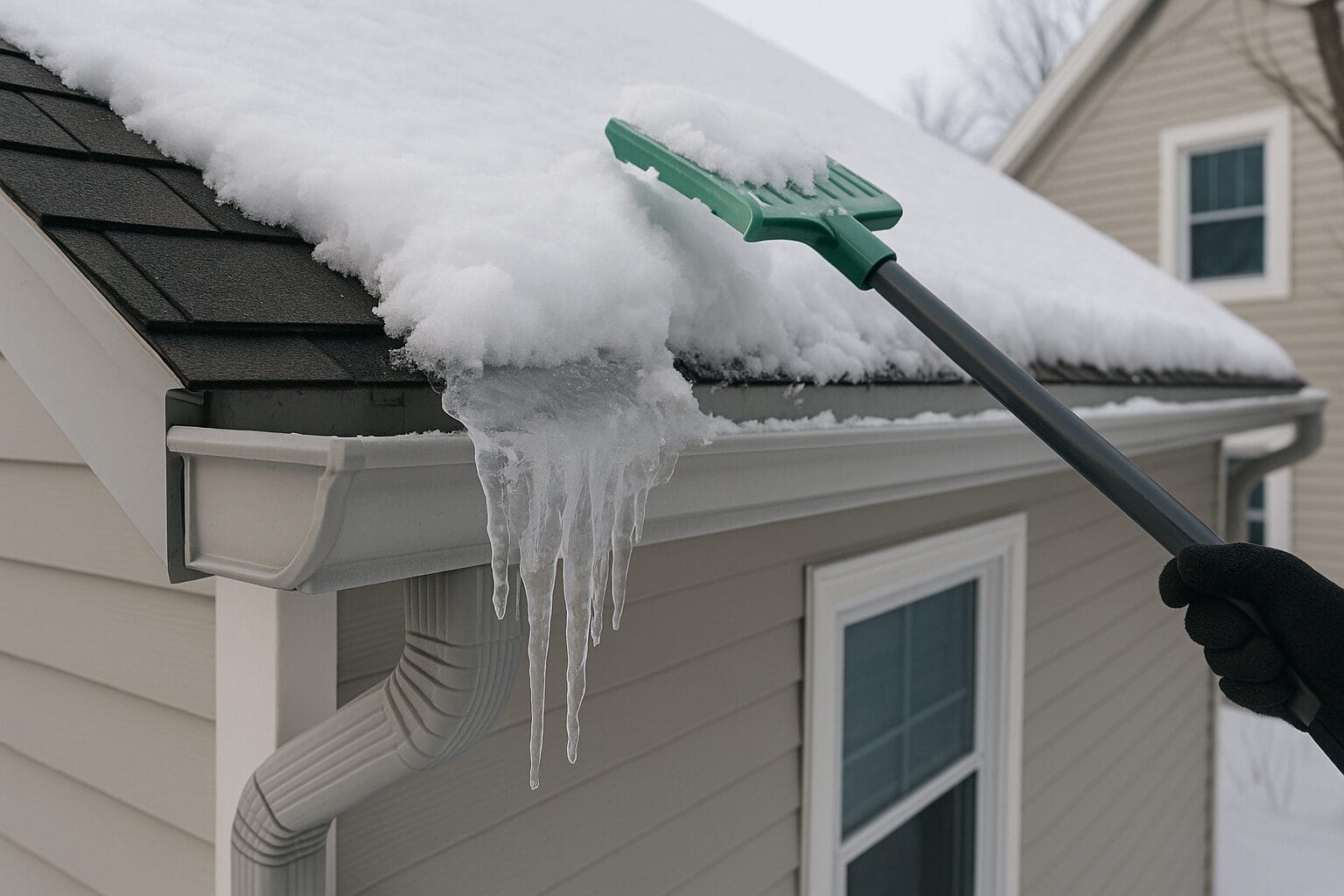
Watch for ice dams and avoid using salt near gutters (it can corrode metal).
-
Use roof rakes to reduce heavy snow loads that can stress gutters.
Gutter Guards and Alternatives: Worth the Investment?
Gutter guards reduce the frequency of cleaning, but they’re not maintenance-free. Choices range from simple mesh screens to professional “reverse-curve” systems. When evaluating gutter guards, consider:
-
Compatibility with your roof material and pitch.
-
Effectiveness for the types of debris common to your property (pine needles vs. broadleaf).
-
Whether the guard is installed properly—improperly fitted guards can trap debris at the edges.
For many homeowners in tree-heavy towns like Churubusco or Wolcottville, a combination of high-quality guards and periodic professional cleaning is the sweet spot.
Landscape and Drainage Solutions: Beyond Gutters
Gutters are the start. How water exits the downspout matters. Simple extensions or splash blocks that direct water away from the foundation can prevent pooling and erosion. For persistent issues, consider:
-
Underground drain pipes routed to a safe discharge area.
-
Grading adjustments so the soil slopes away from the foundation.
-
Rain gardens and swales to absorb runoff sustainably.
Local landscaping contractors in places like Warsaw and Decatur often work with gutter installers to provide a complete water management solution.
How Replacing Gutters Can Add Value to Your Home
New gutters aren’t just practical—they’re an investment. They increase curb appeal, protect structural elements, and show buyers that the home has been cared for. If you plan to sell your house in the Fort Wayne area or smaller towns like Grabill or Spencerville, a well-installed seamless gutter system can improve buyer confidence and help justify your asking price.
Common Myths About Gutters—Busted
-
“Gutters are only for heavy rain.” False. They protect against everyday run-off, snow melt, and condensation over time.
-
“I can fix one leak and be done.” Maybe for a season. Multiple leaks signal material or installation failure.
-
“Gutter guards fix everything.” Not true—guards help, but maintenance and proper installation still matter.
Case Study: A Typical Replacement Story
Picture a 1960s Cape Cod in New Haven with original sectional aluminum gutters. After years of patch jobs, the homeowner noticed sagging lines, paint peeling under the eaves, and water pooling near the foundation after storms. A local installer recommended seamless 5-inch aluminum gutters with three additional downspouts and fascia repair. The job took one day, cost about $2,400, and eliminated the leaks and foundation pooling. The homeowner now schedules biannual inspections instead of monthly patching.
When to Call the Pros—A Quick Decision Guide
Call a professional if you notice any of the following:
-
Large sections sagging or detaching
-
Extensive rust, holes, or seam separation
-
Basement leaks, foundation pooling, or interior water stains
-
Persistent clogs despite cleaning or frequent need for repairs
Final Thoughts: Protect Your Home Before Problems Multiply
Gutters are small pieces of the home, but they influence big systems. The five signs we covered—sagging, cracks and rust, overflowing water, water damage, and standing water/clogs—aren’t just inconveniences. They’re signals. Acting early saves money and stress. Whether you live in a spread-out neighborhood in Fort Wayne, a leafy street in Auburn, or a rural property in Huntington or Waterloo, the rules are the same: inspect regularly, clean when needed, and don’t ignore the signs.
If you suspect your gutters are failing, start with a careful inspection (or hire a local pro for a full assessment). Get several estimates, ask the right questions, and choose a solution—repair, partial replacement, or full replacement—that protects your home for years to come.
Summary: Gutters protect the most expensive parts of your house: foundation, siding, and roof. Watch for sagging, cracks and rust, overflow that pools near your foundation, visible water damage on fascia or siding, and frequent standing water or plant growth. Age, frequent repairs, and performance during rain are also key indicators. Regular maintenance and timely replacement save money and protect your home’s resale value. When in doubt, get a professional opinion from a reputable local installer in Fort Wayne, Warsaw, or nearby towns.
Frequently Asked Questions
1. How long do new gutters typically last in northeast Indiana?
Life expectancy varies by material: vinyl 10–20 years, aluminum 20–30 years, galvanized steel 20–40 years, and copper 50+ years. Local weather—freeze-thaw cycles and heavy storms—can shorten those ranges, so plan for inspections every few years.
2. Are seamless gutters worth the extra cost?
Yes for many homeowners. Seamless gutters have fewer joints, which means fewer leak points and lower long-term maintenance. They’re especially useful for homes with complex rooflines or in areas with frequent heavy rain like Fort Wayne.
3. Can I replace my gutters myself?
Small repairs or sectional replacements are doable for experienced DIYers with proper safety equipment. But for seamless gutters, tall homes, or where fascia repair is needed, hiring a professional is safer and usually ensures better long-term performance.
4. How often should I clean my gutters?
At minimum twice a year—spring and fall—is recommended. Homes with many trees may need quarterly cleanings. Gutter guards can extend intervals but don’t eliminate the need for checks.
5. How can I prevent foundation problems related to gutters?
Ensure gutters direct water well away from the foundation via correctly sized gutters, properly placed downspouts, and extensions or underground piping if needed. Maintain grading so the soil slopes away from the house and fix any overflow or pooling issues promptly.