Introduction — Why Gutter Guards Deserve a Second Look
Have you ever stood on a ladder, scooping slimy leaves out of your gutters while wondering if there’s a smarter way? You’re not alone. Gutters are the unsung heroes of a home, channeling rain away from your roof, siding, and foundation. But when they clog, those heroes turn into hazards. That’s where gutter guards come in.
If you live in Fort Wayne, Auburn, Columbia City, or neighborhoods across northeastern Indiana like Kendallville and Huntington, you know our seasons aren’t shy: heavy leaf fall in autumn, spring storms, and icy winters. Every season puts gutter systems to the test. In this article I’ll walk you through how gutter guards can save you money long-term — not just in cleaning bills, but in preventing costly repairs, protecting your home’s health, and improving peace of mind.
What Exactly Are Gutter Guards?
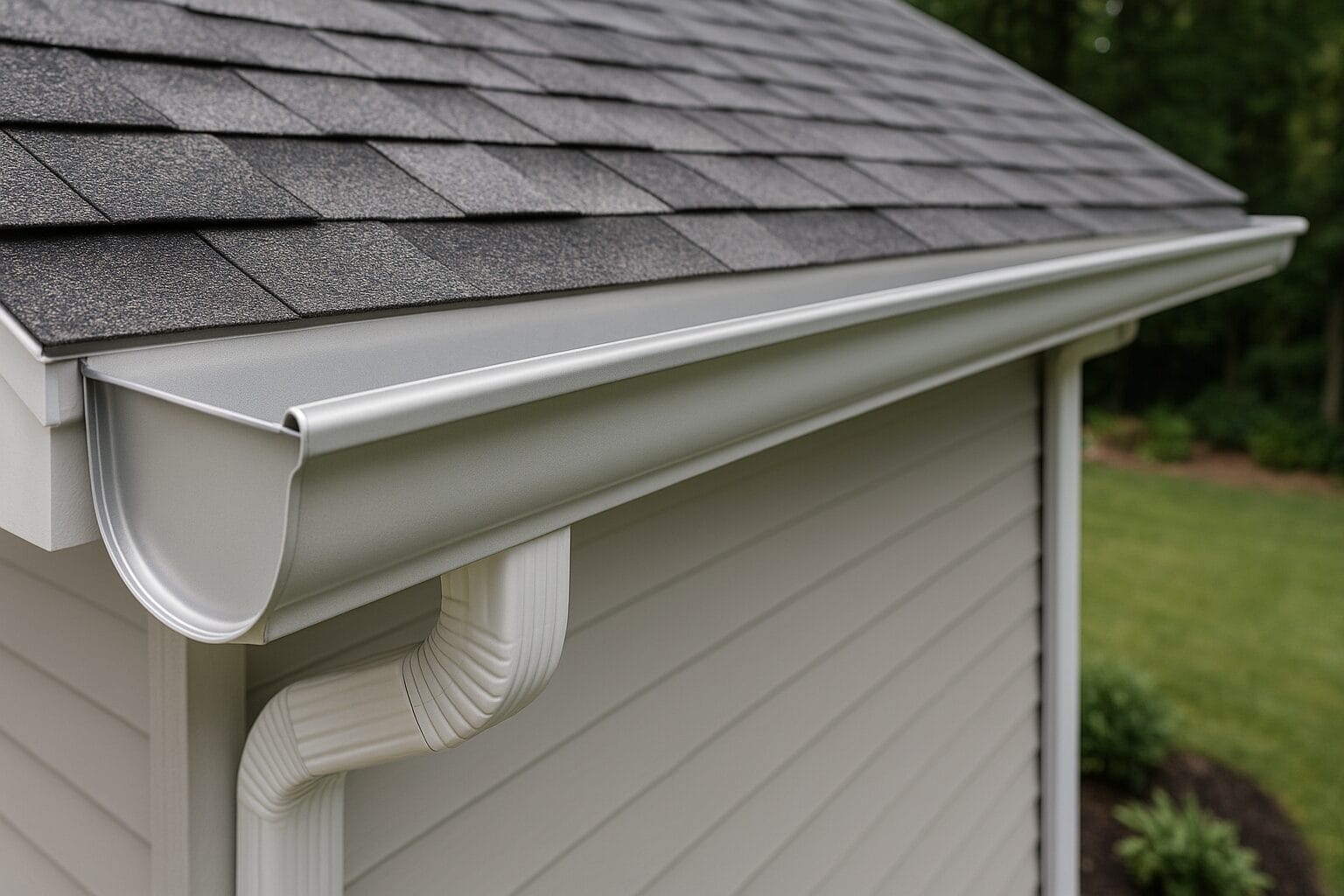
Think of gutter guards like a screen door for your gutters. They let water in while keeping leaves, pine needles, and debris out. Different designs use different approaches — screens, micro-mesh, reverse-curve, brush inserts, foam fillers — but they all share the same goal: keep water flowing, keep debris out.
Common Types of Gutter Guards
- Micro-mesh: Fine, woven screens that block even small debris and shingle grit.
- Perforated metal or plastic: Simple panels with holes; economical but can clog with tiny debris.
- Brush or bottle brush inserts: Cylindrical brushes that sit in the gutter and block leaves while letting water flow.
- Foam inserts: Open-cell foam that fits inside gutters; easy to install but can trap fine debris over time.
- Reverse-curve (surface tension): Designed to send water into the gutter while letting leaves slide off the edge.
How Gutter Guards Cut Costs — The Big Picture
At first glance, gutter guards are an upfront expense. But they function like preventive maintenance for your whole house. Instead of paying repeatedly for small fixes, you lower the risk of catastrophic failures. Here’s how that adds up:
- Reduce routine cleaning costs: You’ll need far fewer professional cleanings or ladder hours.
- Extend gutter life: Less standing debris means less corrosion and clog-related damage.
- Protect roofing and fascia: Avoid rot, shingle damage, and leak repairs.
- Prevent foundation problems: Proper drainage keeps water from pooling near your foundation.
- Limit pests and mold: Standing water and debris attract mosquitoes, rodents, and mold growth.
Quick Cost Comparisons — Estimates You Can Use
Let’s break down the numbers so the savings become tangible. These are approximate ranges and will vary by region and the size of your home.
- Professional gutter cleaning: $75–$300 per visit depending on gutter length, stories, and debris level.
- Gutter guard installation: $3–$20 per linear foot depending on material and professional vs. DIY.
- Minor roof repairs from clogged gutters: $200–$1,500.
- Major roof replacement or leak remediation: $3,000–$12,000+.
- Foundation repair from chronic drainage issues: $2,000–$10,000+.
Install guards once, and you might only need one or two light cleanings a year instead of four. Over a decade, those avoided cleaning visits plus avoided repair bills can make gutter guards pay for themselves multiple times over.
Saving on Gutter Cleaning — The Most Immediate Payoff
What’s the most obvious way gutter guards save you money? Cleaning. If you’re paying for professional gutter cleanings several times a year, those fees add up. Even if you DIY, the time you spend, the ladder risk, and the equipment cost matter.
How Many Cleanings Do You Avoid?
With well-chosen, professionally installed gutter guards you can usually go from cleaning 3–4 times a year to 0–1 times a year. In places like Auburn, Angola, or Warsaw, where trees drop heavy leaves in fall and spring storms can bring branches, guards can cut cleaning frequency dramatically.
Preventing Water Damage to Roof, Fascia, and Siding
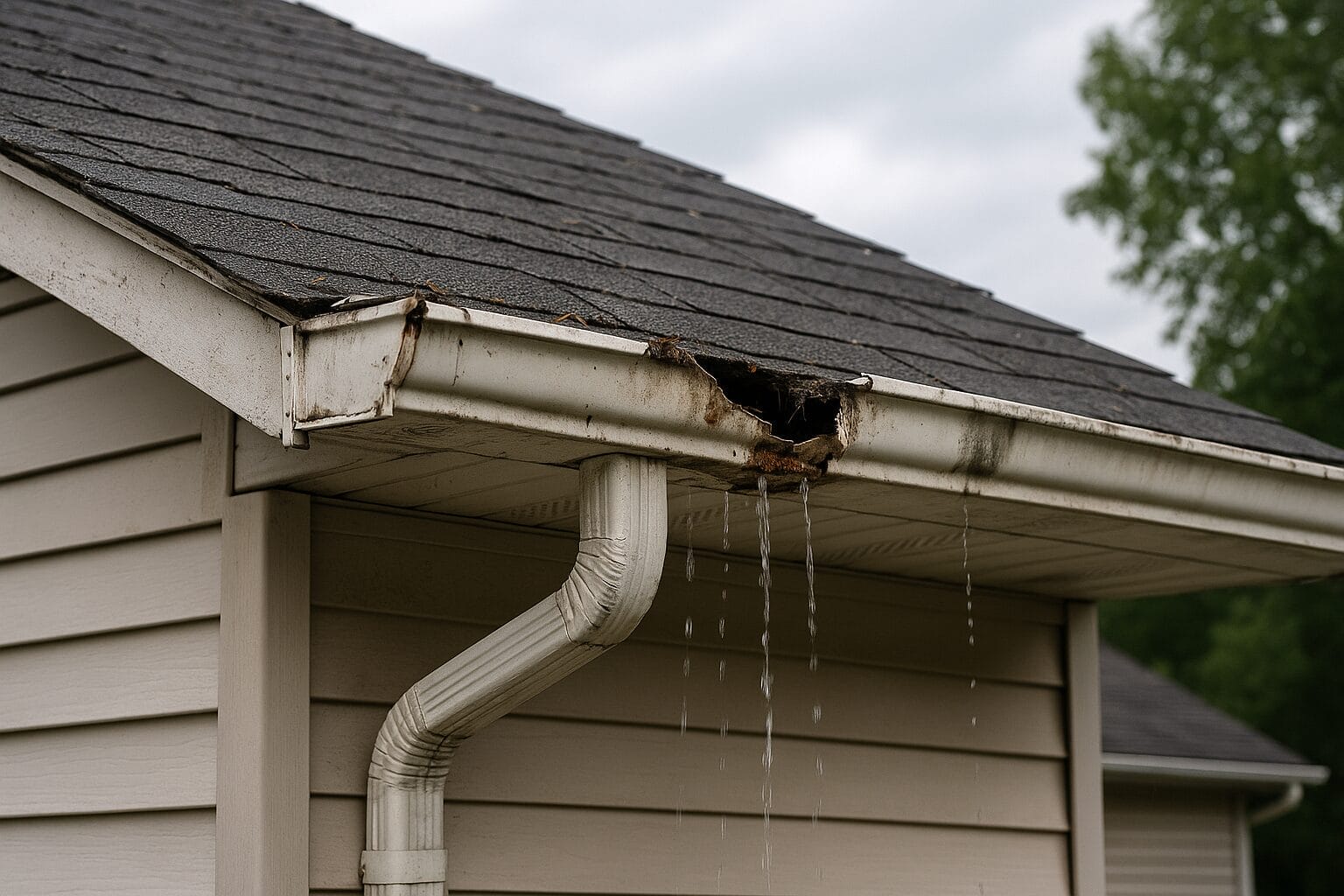
Clogged gutters cause water to spill over and track back under the roof edge, saturating the soffit, fascia, and roofing materials. That’s a slow-motion leak that can cost thousands.
- Fascia and soffit repair: Rot and decay from consistent overflow can cost $500–$3,000 to repair.
- Roof deck and shingle damage: Water can shorten shingle life and require partial or full roof replacement.
- Interior damage: Sometimes overflow leads to attic leaks or ceiling stains — the precursor to mold and insulation damage.
Gutter guards keep water where it belongs — in the gutter system and flowing to downspouts — preventing the chain of damage that starts small but ends big.
Protecting Your Foundation — The Long-Term Savings Hero
A house’s foundation is its financial bedrock. Water pooling near the foundation causes soil movement and settlement, which leads to cracks and costly foundation repairs. It’s not dramatic day-to-day, but over years it compounds.
Estimate: preventing one significant foundation repair (often several thousand dollars) can offset the cost of premium gutter guards for many homes. That’s the type of long-term saving most homeowners don’t think about until it’s too late.
How Much Water Are We Talking About?
Even a moderate rain can generate hundreds of gallons of water flowing off a roof. Without proper capture and direction, that water finds the weakest path — often straight to your foundation.
Reducing Ice Dams and Winter Damage
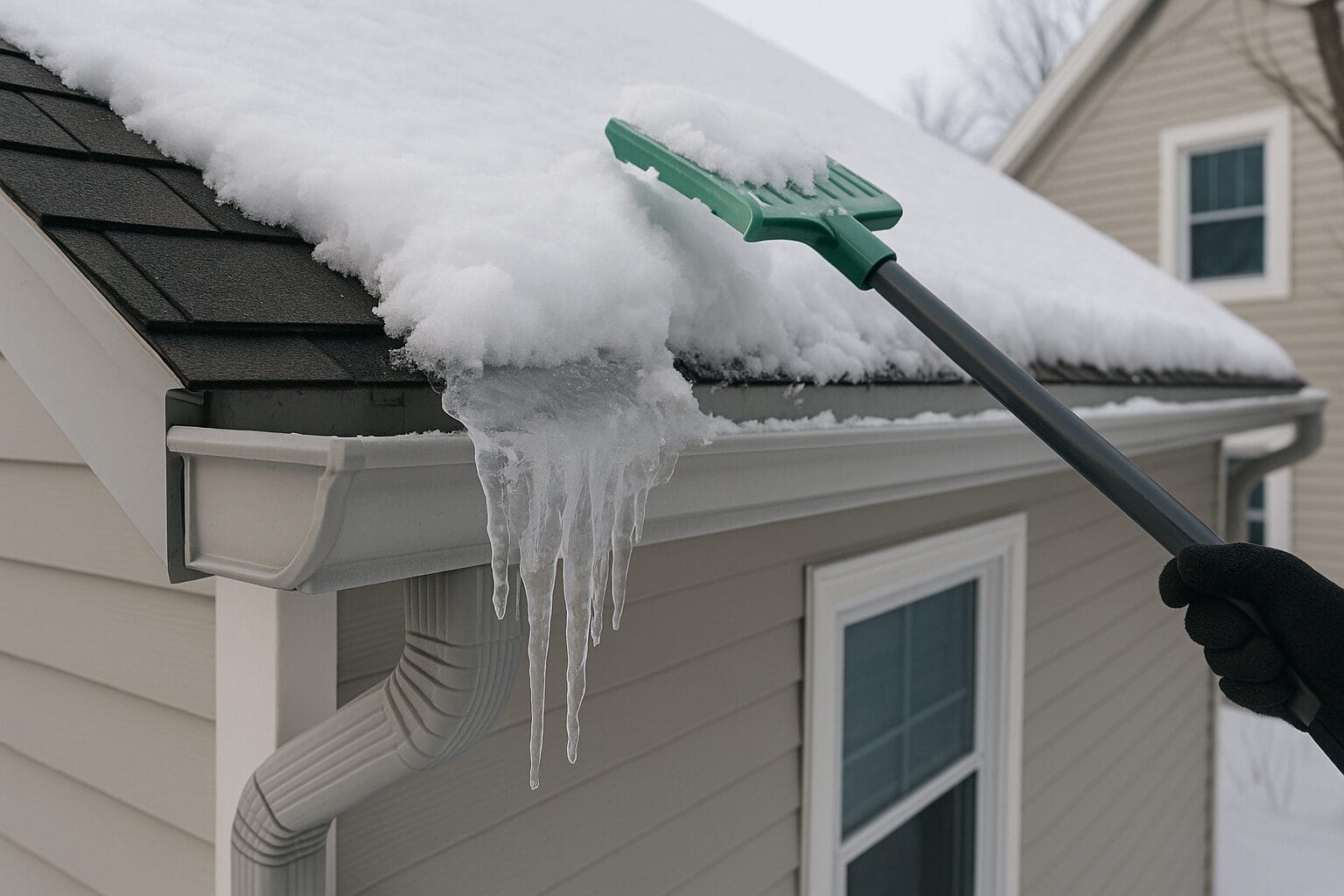
In Indiana winters, ice dams are a real risk. When gutters clog, melting snow refreezes at the eaves and forms ice dams that lift shingles and force water back under them.
- Ice dam repairs and resultant roof damage can run into the thousands.
- Gutter guards that keep debris out also help gutters flow freely in freeze-thaw cycles, reducing ice dam formation.
While no gutter guard can stop all ice dams (attic insulation and ventilation are also key), guards are a meaningful part of the prevention toolkit, especially in places like New Haven and Roanoke where winter storms are common.
Lowering Pest and Mosquito Problems
Have you ever noticed mosquitoes thriving around standing water? Clogged gutters make an ideal breeding ground. Add leaves that provide hiding spots for rodents and birds, and you’ve got a pest problem that can be expensive to correct.
Gutter guards reduce standing water and limit sheltered nesting spaces, cutting down pest-related maintenance and the cost of pest control services.
How Gutter Guards Extend Gutter Lifespan
Standing debris traps moisture against the gutter metal or fascia, accelerating rust and rot. By keeping gutters clear, guards reduce this corrosive contact.
- Clean gutters remain lighter and less strained — fewer pulls and sags at the hangers.
- Less weight and fewer clogs mean fewer repairs and replacements over the life of your home.
Think of it like wearing the right shoes: they make your shoes (and your feet) last longer. Gutter guards are the right shoe for gutters.
Choosing the Right Gutter Guard — Cost vs. Effectiveness
Not all guards are created equal. Cheaper options might save on the front end but need replacement or maintenance sooner. Higher-quality systems cost more initially but perform longer and reduce ongoing costs.
Key factors to consider
- Material quality: Aluminum and stainless steel micro-mesh perform better and last longer than cheap plastic screens.
- Local tree types: Large oak leaves, pine needles, or seeds (like boxelder helicopters) require different solutions.
- Roof pitch and shingle type: Some reverse-curve systems don’t work well with certain roofs.
- Installation method: Rigid systems installed beneath shingles often perform better than drop-in DIY inserts.
- Warranty and expected lifespan: Look for long warranties and documented lifespan claims.
In Garrett, Grabill, and surrounding areas, yard trees often include maples and oaks, meaning you’ll want a fine mesh that stops leaf fragments and shingle grit. In pine-heavy yards, vertical spikes and needles demand a different approach.
DIY vs Professional Installation — Which Saves More?
DIY guard kits are tempting — they’re cheaper and you avoid labor costs. But installation quality matters. Poorly installed guards can let debris under them, void warranties, and cause more problems than they solve.
- DIY pros: Lower upfront cost, control, immediate installation.
- DIY cons: Risk of improper fit, ladder safety issues, lost warranty coverage.
- Professional pros: Proper custom fit, warranty-backed installation, safer and usually quicker.
- Professional cons: Higher initial outlay.
Personally, I recommend professional installation for most homeowners, unless you’re confident with heights, roofing interfaces, and measuring for exact system fit. In Fort Wayne and the surrounding communities, contractors familiar with local weather and tree types can make a big difference.
Calculating Return on Investment (ROI)
Let’s do a simple ROI example. Imagine a 200-foot gutter run on a two-story home — a typical size in many Indiana towns.
- DIY basic mesh guards: $8/ft → $1,600
- Professional installation of quality micro-mesh: $12/ft → $2,400
- Professional cleaning frequency before guards: 3 visits/year at $150 each → $450/year
- Cleaning frequency after guards: 0.5 visits/year → $75/year
- Annual cleaning savings: $375/year
At that rate, professional guards cost about $2,400 up front but could pay back through cleaning savings in roughly 6–7 years — and that’s before counting avoided repairs like roof patches, fascia replacement, or more serious water intrusion. If guards help you avoid even one significant repair over 10 years, the ROI becomes compelling.
Maintenance After Installation — Keep It Simple
Gutter guards reduce maintenance, but they don’t eliminate it. Here’s a realistic care plan:
- Inspect in spring and fall for damage or debris build-up around the edges.
- Flush your downspouts annually to ensure clear flow.
- Trim overhanging branches to minimize debris load.
- Address any animal nests quickly.
Compared to the weekly tussle with clogged gutters you might have experienced, this is refreshingly low-effort.
Common Myths About Gutter Guards
- Myth: Gutter guards eliminate all maintenance. Reality: They greatly reduce but don’t eliminate maintenance.
- Myth: All guards are the same. Reality: Materials, installation quality, and local conditions change performance dramatically.
- Myth: You don’t need guards if you don’t have trees. Reality: Shingle grit, small debris, and roof runoff can clog gutters even on treeless lots.
How Local Weather and Trees Affect Your Choice
Local conditions matter. In our service area — from Bluffton and Decatur to Wolcottville and Woodburn — tree species, windstorms, and winter freeze-thaw cycles shape which guard works best.
- If pine needles dominate, choose a guard tested for needle resistance.
- If shingle grit and small debris are common, micro-mesh is usually best.
- If heavy leaves and big limbs are typical, robust metal systems with professional installation make sense.
Contractors familiar with Fort Wayne-area homes can recommend systems that have a track record locally — worth asking about when you get quotes.
Choosing a Contractor — Questions to Ask
Not all installers are equal. When hiring someone to install guards, ask:
- Can you show references or local examples in places like Columbia City or Huntington?
- What material and model are you installing, and can I see manufacturer specs?
- Is labor included in the quote? What’s the warranty on installation?
- Does the system void or affect my roof warranty?
- Will guards be installed under shingles (if required) or attached to the fascia?
Always get multiple quotes and avoid high-pressure sales tactics. A reputable installer will explain pros and cons for your specific roof and yard.
Real-World Examples — How Guards Paid Off for Homeowners
Stories help make the math real. Consider these anonymized scenarios based on typical outcomes:
- A two-story home in New Haven with large oaks installed micro-mesh guards for $2,800. They reduced cleanings from four times a year to once every two years. Within five years they’d saved roughly $3,000 in cleaning and minor roof repairs — and avoided a major fascia repair after an unusually wet spring.
- A bungalow in Kendallville with pine trees used brush inserts at $1,200 installed. While they still needed an annual sweep, the homeowner stopped frequent downspout clogs and reduced mosquito problems, making the investment worthwhile.
- A farmhouse near Warsaw chose professional aluminum screen guards to handle heavy debris from nearby maples. After a severe storm, their gutters handled large volumes with no overflow, avoiding roof leaks that neighbors experienced — a potential $4,000 roof repair avoided.
Warranties, Lifespan, and When to Replace
Quality products often come with multi-year warranties (some up to 20 years). Warranties may cover the product and sometimes installation. Lifespans vary: high-quality aluminum or stainless systems can last 20+ years; cheaper plastics may last 5–10 years.
Keep warranty documents and installation receipts. If you sell your home, warranty coverage and documented maintenance can increase buyer confidence and resale value.
Financing and Value Considerations
If upfront cost is a concern, many contractors offer financing or payment plans. While taking on debt for home improvements requires caution, consider it in the context of potential avoided costs. In many cases, a financed installation that prevents a major repair is a good trade-off.
Also remember intangible values: less time on a ladder, greater safety, and peace of mind — those count too.
Practical Tips for Homeowners in Our Service Area
- Schedule installation in late summer or early fall — after heavy pollen and spring tree drop, but before leaf fall season.
- If you’re in a neighborhood with many trees (Grabill, Roanoke), prioritize micro-mesh or professional systems that handle fine debris.
- Trim branches near the roof to reduce debris and limit roof damage during storms.
- Keep an eye on downspouts — even the best guards won’t help if the downspout is blocked.
Common Mistakes to Avoid
- Buying the cheapest guard without considering local debris type.
- Installing guards that create pockets for debris to sit under the guard.
- Skipping inspection after major storms — damage can occur and should be fixed early.
- Assuming guards fix attic ventilation or insulation issues — they help reduce ice dams but aren’t a substitute for proper attic care.
Environmental Benefits — Less Waste, Better Water Flow
Gutter guards reduce the need for chemical pest control (less standing water for mosquitoes) and lower the frequency of repair-related waste. They also help ensure rooftop water is properly channeled to rain barrels or drainage systems, which is useful if you capture rainwater for garden use — a growing trend in places like Waterloo and Ossian.
Final Considerations — Is It Worth It for Your Home?
Ask yourself: How often do you climb the ladder to clean gutters? Have you experienced any water damage or pest issues? What’s the value of your time and safety? If you live near large trees or have had problems with downspout clogs, ice dams, or roof leaks, gutter guards are a practical investment.
In many northeastern Indiana homes — Fort Wayne, New Haven, Columbia City and beyond — the balance tips in favor of guards when you account for reduced maintenance, fewer repairs, and increased longevity of gutter and roofing systems.
Summary
Gutter guards are more than a convenience — they’re preventive maintenance that can save you significant money over time by reducing cleaning costs, preventing roof and foundation damage, deterring pests, and extending the life of your gutters. Choosing the right guard and installation method matters, as does matching the system to local conditions like tree types and winter weather. Whether you live in Fort Wayne, Kendallville, or one of the smaller towns we serve, a well-chosen gutter guard can be a smart, long-term investment in your home’s health and your peace of mind.
Frequently Asked Questions (FAQs)
1. How much do gutter guards typically cost for an average home?
Costs vary widely by material and installation. Expect anywhere from roughly $1.50–$20 per linear foot. For a typical 150–250 foot gutter system, that typically equates to $225–$5,000. High-quality, professionally installed micro-mesh systems will be toward the higher end, while DIY inserts and basic screens are toward the lower end.
2. Will gutter guards stop ice dams in winter?
Gutter guards help by ensuring water drains properly and reducing debris that traps moisture. However, ice dams also depend on attic insulation and ventilation. Guards are a helpful part of a comprehensive ice-dam strategy but aren’t a standalone cure.
3. Do gutter guards require any maintenance?
Yes, but much less than unguarded gutters. You should inspect guards in spring and fall, flush downspouts annually, and remove any large debris caught on the guard edges. The goal is periodic light maintenance rather than frequent cleanings.
4. Can I install gutter guards myself?
Some systems are DIY-friendly, while others require professional installation for best results. Consider your comfort with ladders and roof work, and whether a professional warranty is important to you. For homes with complex rooflines or heavy tree coverage, professional installation is often worth the cost.
5. How do I choose the right gutter guard for my home?
Start by assessing local tree types and debris, roof pitch, and your budget. Micro-mesh or fine metal meshes are excellent for small debris and shingle grit; heavier aluminum or steel systems work well for large-leaf environments. Ask local contractors for references and examples of installations in towns like Auburn, Bluffton, or Warsaw to make a locally informed decision.