Introduction: Why seamless gutters matter for homeowners
Have you ever stood outside after a heavy rain and noticed water cascading down the side of your house or pooling near your foundation? It’s a sight that makes any homeowner wince. Gutters are the unsung heroes of your home’s exterior — guiding rainwater where it won’t do harm. But not all gutters are created equal. Seamless gutters have become a go-to option for homeowners who want reliable performance, fewer headaches, and a cleaner look.
If you live near Fort Wayne, Auburn, or Decatur, you know how suddenly weather can change here in northeast Indiana. From spring rains to heavy autumn leaf fall, managing water is critical. In this article, I’ll walk you through the many benefits of seamless gutters, how they compare to traditional sectional systems, what materials and accessories make sense, and how to choose the right installer for your home in places like Huntington, Warsaw, or New Haven. Think of this as the homeowner’s field guide to keeping your roofline tidy and your foundation safe.
What are seamless gutters?
Seamless gutters are long runs of gutter made from a single piece of material custom-formed to the length of your roofline. Unlike sectional gutters that come in short pieces joined together, seamless systems are manufactured on-site with a mobile machine that extrudes and forms the gutter from a coil of material (commonly aluminum). Because they have far fewer joints — often only at corners and downspouts — they leak less and look smoother.
How they differ from traditional sectional gutters
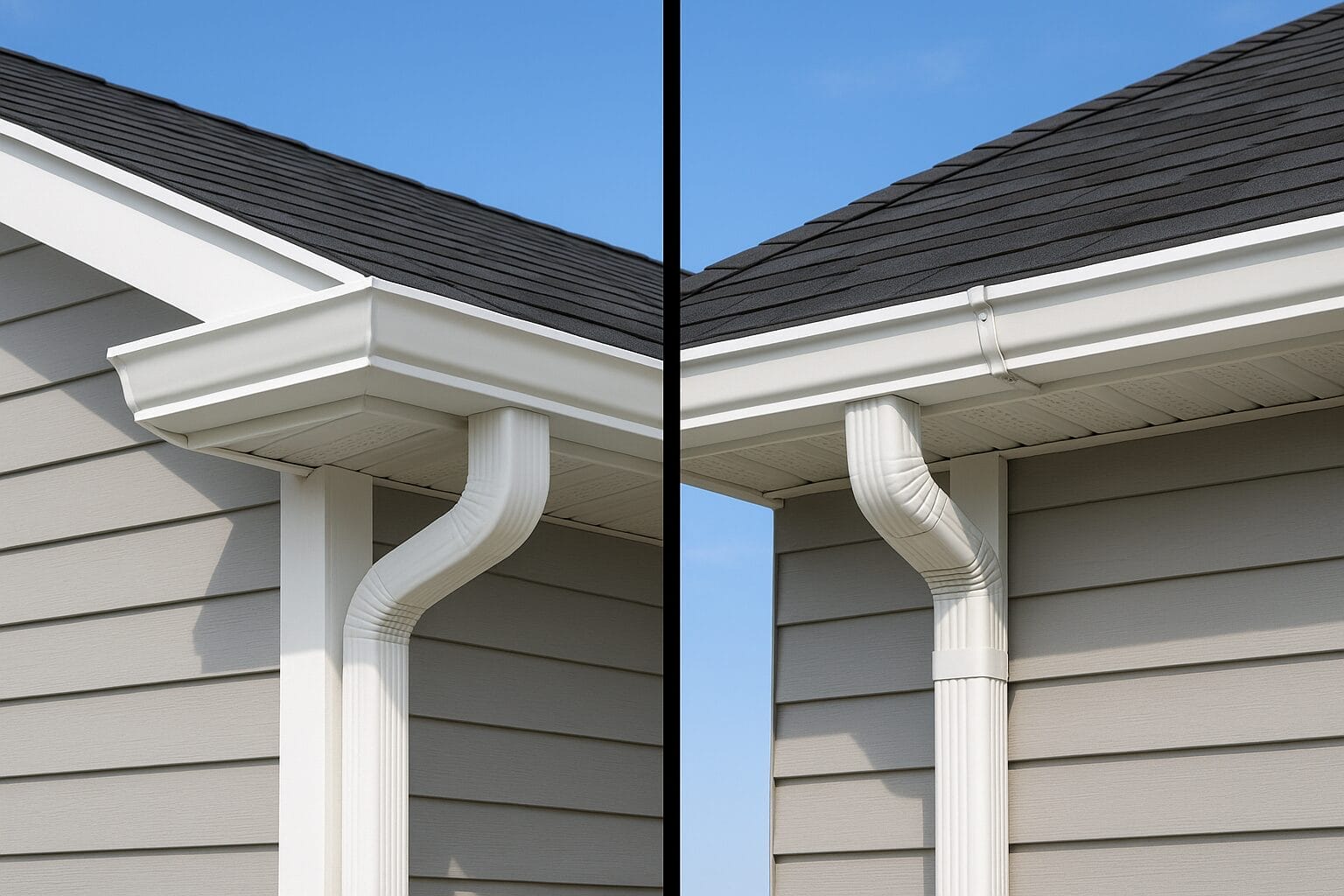
Imagine a necklace made of many small links versus one continuous band. That band is less likely to snag or break because there aren’t as many weak points. Sectional gutters are similar to the linked necklace: they’re assembled piece by piece and fastened together at seams. Those seams are where debris builds up, where water can leak, and where corrosion accelerates. Seamless gutters reduce those failure points dramatically.
Materials and finishes
Seamless gutters come in several materials: aluminum (most common), galvanized steel, copper, and sometimes heavy-duty vinyl. Aluminum is lightweight, corrosion-resistant, and cost-effective — a favorite for homeowners in the region. Copper offers an elegant, long-lasting finish but comes with a higher price. Paint finishes and baked-on coatings let you match your home’s trim, so the gutters blend in rather than distract.
Top benefits of seamless gutters
Why do homeowners choose seamless gutters? Because they solve real problems and offer practical advantages — from appearance to performance. Below are the top benefits that make seamless gutters a smart investment.
Reduced leaks and fewer maintenance headaches
With fewer seams, there are fewer places for water to escape. That means less leaking, fewer water stains on your siding, and fewer repairs over time. Think about it: if each seam represents a potential failure point, eliminating most seams is like removing most of the weak links in a chain.
Improved curb appeal and clean lines
Seamless gutters create a clean, continuous look along the roofline. They read like part of the architecture instead of an add-on. For homeowners in historic neighborhoods or those looking to boost curb appeal before a sale — whether in Columbia City, Garrett, or Kendallville — seamless gutters can help your home look finished and cared for.
Enhanced water management and foundation protection
Gutters are first and foremost about moving water away from the house. Seamless gutters, paired with correctly sized downspouts and properly placed splash blocks or extensions, prevent soil erosion around the foundation, avoid basement flooding, and protect landscaping and walkways. If you’ve experienced soggy basements in Waterloo or low spots near your foundation in Ossian, upgrading to seamless gutters can reduce those headaches.
Lower risk of pest infestations
Standing water and clogged troughs are a welcome invitation for mosquitoes, rodents, and even nesting birds. Because seamless gutters are less likely to trap debris at seams, they stay cleaner longer and reduce those pest problems. That’s especially helpful near wooded lots, like those common around Wolcottville or Roanoke, where foliage can overload gutters quickly.
Custom fit for any roofline
Every roof has its quirks — valleys, dormers, and odd angles. Seamless gutters are custom-formed to fit your roofline, which means fewer awkward cuts, better transitions at corners, and a tighter fit against fascia boards. You get a tailored solution rather than a one-size-fits-all approach.
Durability and longer lifespan
Because seamless gutters have fewer joints that fail and because they’re often made from rust-resistant materials, they typically last longer than sectional systems. Properly installed and maintained aluminum seamless gutters can easily last 20+ years. Copper systems can last decades more, becoming a living patina over time.
Better value over time
Seamless gutters may have a higher upfront cost than basic sectional systems, but they tend to require fewer repairs and last longer. When you amortize the initial investment over their lifespan, the cost per year often compares favorably to the patch-and-replace cycle of sectional gutters.
Energy efficiency and home protection
At first glance, gutters aren’t an energy-system — but they play a role in protecting the envelope of your home. When water is directed properly away from siding and foundation, you reduce moisture intrusion that can undermine insulation and lead to mold problems. Less moisture translates to more stable indoor humidity and less strain on HVAC systems. While seamless gutters won’t directly lower your heating bill, they protect the structural and insulation components that help maintain your home’s energy efficiency.
Cost considerations: upfront vs long-term value
Let’s talk dollars. I know cost is the question everyone asks first. Seamless gutters come with a range of prices depending on material, length, downspout number, and extras like leaf guards or a heavy-duty fascia bracket system. But price isn’t everything; life-cycle cost matters.
Installation costs explained
Factors affecting installation cost include:
-
Material (aluminum is cheaper, copper is premium)
-
System size and roof complexity — more corners and heights mean more labor
-
Number and placement of downspouts
-
Whether fascia boards need repair or replacement
On average, expect a higher initial outlay for seamless gutters compared with basic sectional systems, but the costs vary by region and contractor. If you’re in Fort Wayne or Kendallville, shop locally for quotes to get accurate pricing that reflects local labor costs and common roof styles.
Maintenance costs compared to sectional gutters
Maintaining sectional gutters can be more time-consuming and expensive over the long haul due to leaks at seams and the need for periodic resealing. Seamless gutters usually need less frequent attention; periodic cleaning and occasional inspections are often enough. If you factor in fewer repairs, less caulking, and less replacement, your long-term costs tend to be lower.
Warranty and resale value
Many seamless gutter manufacturers and installers offer warranties on materials and workmanship. That warranty can make a difference when you sell your house — buyers often prefer homes with recent, quality exterior upgrades. In markets around New Haven or Auburn, curb appeal improvements like seamless gutters can be a selling point, and you may see a better return compared to cosmetic-only fixes.
Materials comparison: aluminum, steel, copper, vinyl
Choosing a material depends on budget, local weather, and aesthetic goals.
-
Aluminum — Lightweight, rust-resistant, paintable, and the most common option for seamless systems. It balances cost and performance well.
-
Galvanized steel — Strong and durable, but heavier and more prone to rust over time unless coated. It’s a good choice where structural rigidity is essential.
-
Copper — Durable and beautiful. Copper develops a patina that many homeowners love. Cost is the primary barrier.
-
Vinyl — The least expensive, but not commonly used for seamless systems because it can be brittle in cold weather and susceptible to UV degradation.
In northeast Indiana’s climate — with freezing winters and wet springs — aluminum tends to be the popular sweet spot for performance and affordability.
Leaf guards and accessories: do you need them?
One of the most common homeowner questions is whether to add a leaf guard or gutter cover. The answer depends on your trees, roof pitch, and willingness to maintain gutters.
Types of leaf guards
-
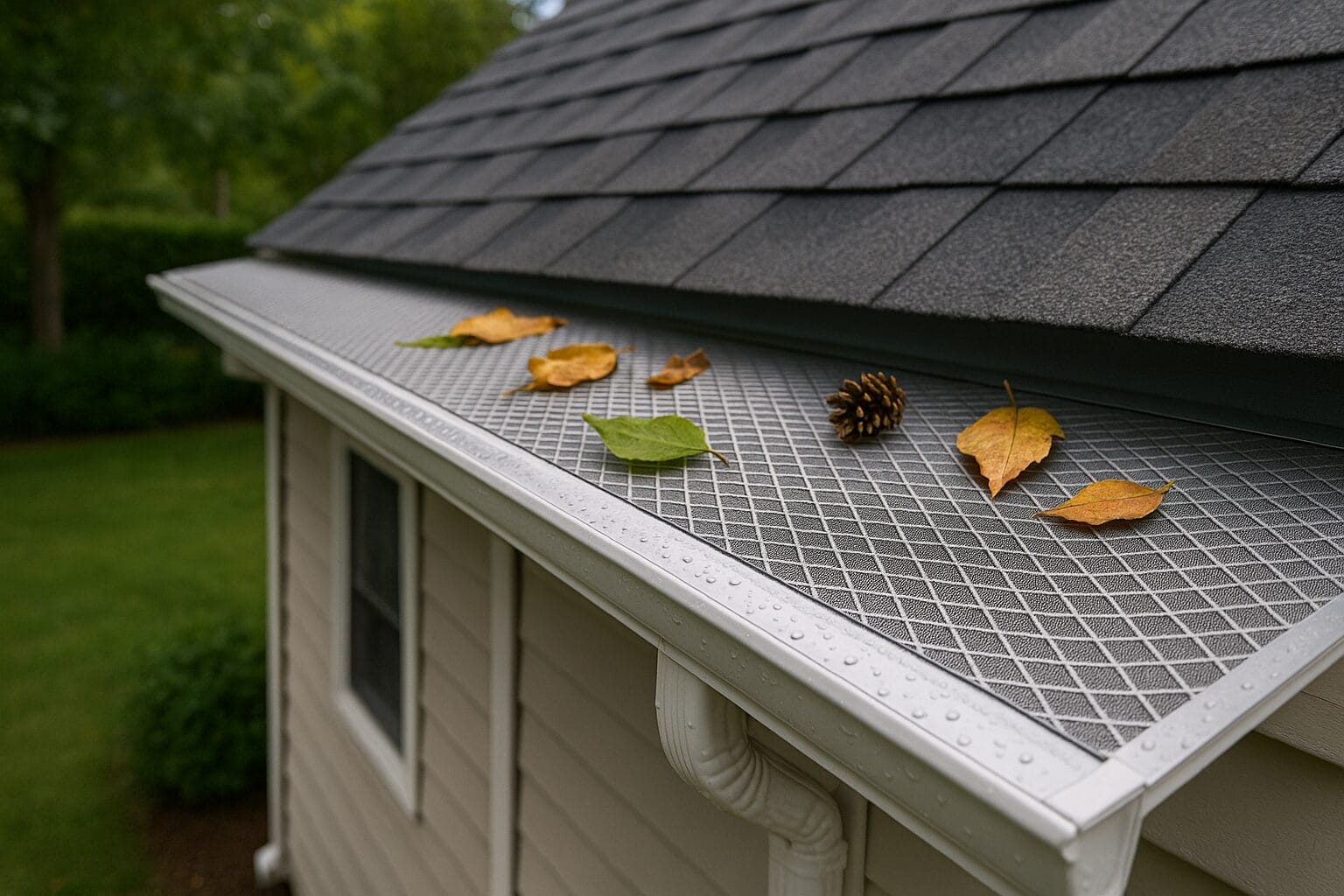
Mesh screens — Cost-effective, keep out large debris but still allow small particles through
-
Reverse curve — Water follows a curve into the gutter while leaves fall off the edge
-
Foam inserts — Fit inside the gutter and stop buildup; easier to install but can require periodic cleaning
-
Brush-style guards — Bristly inserts that catch leaves; inexpensive but can trap debris themselves
Pros and cons
Leaf guards reduce maintenance and lower the risk of clogs. But they’re not fail-proof. Some guards perform better than others depending on the type of debris. If you have lots of pine needles near Garrett or heavy oak leaves around Roanoke, the right guard can reduce chores. However, if you plan to go completely hands-off, discuss expectations with your installer — no guard is truly maintenance-free forever.
Installation process: what to expect
Seamless gutter installation is a coordinated process that begins with measured precision and ends with effective water diversion. Here’s what typically happens.
On-site measurements and manufacturing
A crew will take precise measurements and then use a mobile roll-forming machine that extrudes the gutter profile from a coil of material at your driveway. Because the gutters are custom-formed to the length needed, there’s less cutting and fewer joins.
Timeline and weather considerations
Most residential installations can be completed in a day or two depending on home size and complexity. If you live in Warsaw or Grabill and the seasons are wet or icy, installers may reschedule for safety and optimal adhesion of fasteners and sealants.
DIY vs professional installation
While handy homeowners sometimes install gutters themselves, seamless systems require specialized equipment to form the gutters on-site. Plus, proper slope, secure mounting, and flashing details matter for performance. For most people, hiring a professional is the sensible choice — especially if you want the job done right the first time and backed by a warranty.
Maintenance tips to prolong life
Even the best gutters need occasional care. A little preventive maintenance can add years to their life and keep them performing like new.
Seasonal maintenance checklist
-
Inspect gutters and downspouts in spring and fall for debris and blockages.
-
Look for sagging sections or loose hangers and tighten or replace them.
-
Check for signs of rust or paint failure; touch up or repair as needed.
-
Ensure downspouts route water at least several feet away from the foundation or into a drainage system.
-
Trim overhanging branches to reduce leaf fall and bird activity.
How to handle clogs and repairs
For minor clogs, use a sturdy ladder and scoop debris out by hand or with a small trowel, then flush with a hose. For persistent blockages in downspouts, use a plumber’s snake or detach the lower elbow to gain access. If you notice seams separating, rust forming rapidly, or frequent leaks, call a professional — these can be signs of a failing section or improper installation.
Common myths about seamless gutters debunked
Let’s clear up a few misconceptions.
-
Myth: Seamless gutters never clog. Reality: They clog less, but they can still collect debris, especially at the roof edge and in heavy leaf areas.
-
Myth: Seamless gutters are prohibitively expensive. Reality: While pricier upfront, their longer life and lower maintenance often make them a cost-effective choice over time.
-
Myth: Any contractor can install seamless gutters. Reality: Proper installation requires experience with roll-forming equipment and roofline complexities. Choose a reputable installer.
-
Myth: Copper is the only durable long-term option. Reality: High-quality aluminum installed correctly can last decades and resist the local elements well.
Selecting the right contractor in northeast Indiana
Choosing the right installer matters as much as choosing the right product. You want someone who knows local weather patterns and common architectural details in northeast Indiana.
Questions to ask
-
Are you licensed and insured?
-
Do you use a roll-forming machine on-site for seamless gutters?
-
Can you provide references from local homeowners in Fort Wayne, Auburn, or Decatur?
-
What warranties do you offer on materials and labor?
-
Do you inspect fascia and roofline before installation and address any necessary repairs?
Permits and insurance
Most gutter installations don’t require permits, but if your job involves structural changes, check with your city — places like Warsaw or Huntington may have local codes. Always verify the contractor carries liability insurance and workers’ compensation. You don’t want to be liable if someone is injured on your property.
Case studies and local examples
Let’s look at a few typical scenarios homeowners in this region face and how seamless gutters solve them:
-
Older Colonial in Fort Wayne — The house had dated sectional gutters with rusty seams and leaks. A seamless aluminum system gave the owner a matching trim color, reduced water stains on the siding, and eliminated repeated caulking repairs.
-
Tree-lined bungalow in Auburn — Heavy oak and maple leaves clogged the old gutters frequently. After installing seamless gutters with a high-quality mesh leaf guard, the homeowner cut cleaning time by half.
-
Newer ranch in Decatur — The foundation had minor settling due to poor drainage. Upgrading to a larger seamless gutter system and redirecting downspouts helped prevent further soil erosion and stabilized the surrounding landscaping.
These examples show how thoughtful gutter upgrades can address practical problems specific to local homes — whether it’s heavy foliage in Grabill or historic trim work in Columbia City.
ROI: How seamless gutters add value to your home
Seamless gutters protect expensive parts of your home — siding, fascia, soffit, foundation, and landscaping. When buyers walk up to a house that looks well-cared-for with clean rooflines, they perceive lower risk. This can translate to better offers and fewer contingencies during a sale. Plus, a documented installation with a transferable warranty adds credibility. It’s not just curb appeal; it’s risk mitigation to the next homeowner.
Are seamless gutters right for your home? A quick checklist
Here’s a simple way to decide if seamless gutters make sense for your property:
-
Do you have frequent leaks or stains along your siding?
-
Are your gutters sagging or rusting at seams?
-
Is your home surrounded by large trees that drop leaves and needles?
-
Do you plan to sell in the next 5–10 years and want to boost curb appeal?
-
Are you tired of frequent gutter repairs and resealing jobs?
If you answered “yes” to one or more of these, seamless gutters are worth serious consideration.
Final thoughts: Making the right choice for your roofline
Seamless gutters are more than a cosmetic upgrade — they’re a practical way to protect your home from water damage, reduce maintenance, and improve curb appeal. For homeowners across northeast Indiana — from Fort Wayne to Kendallville, from Roanoke to New Haven — the climates and tree coverage make water management a year-round concern. Seamless systems provide a tailored, low-maintenance solution that often pays for itself over time in reduced repairs and better performance.
When you’re ready to move forward, get multiple local quotes, ask about materials and warranties, and check references. With the right installer and the right materials, seamless gutters will quietly protect your home for years so you can focus on what matters most — enjoying your space rather than worrying about where the water will run the next time it rains.
Summary
Seamless gutters offer homeowners a host of benefits: fewer leaks, better curb appeal, improved water diversion, reduced pest issues, and long-term cost savings. Custom-formed on-site to match your roofline, they eliminate most joints that create failure points in sectional gutters. While upfront costs can be higher, the longevity and reduced maintenance often make seamless gutters a smart investment — especially for homes in regions with variable weather and heavy foliage. Choose the right material, consider leaf guards based on your tree coverage, and hire a reputable local contractor to get the best results. With proper installation and seasonal maintenance, seamless gutters will protect your home and enhance its value for years to come.
Frequently Asked Questions
1. How much do seamless gutters cost compared to sectional gutters?
Seamless gutters generally cost more upfront than sectional gutters because of on-site manufacturing and a custom fit. However, when you factor in lower maintenance, fewer repairs, and longer lifespan, the life-cycle cost can be comparable or even favorable. Prices vary by material, home size, and roof complexity, so request local estimates in places like Fort Wayne or Auburn for precise figures.
2. Can seamless gutters handle heavy rainfall and snow?
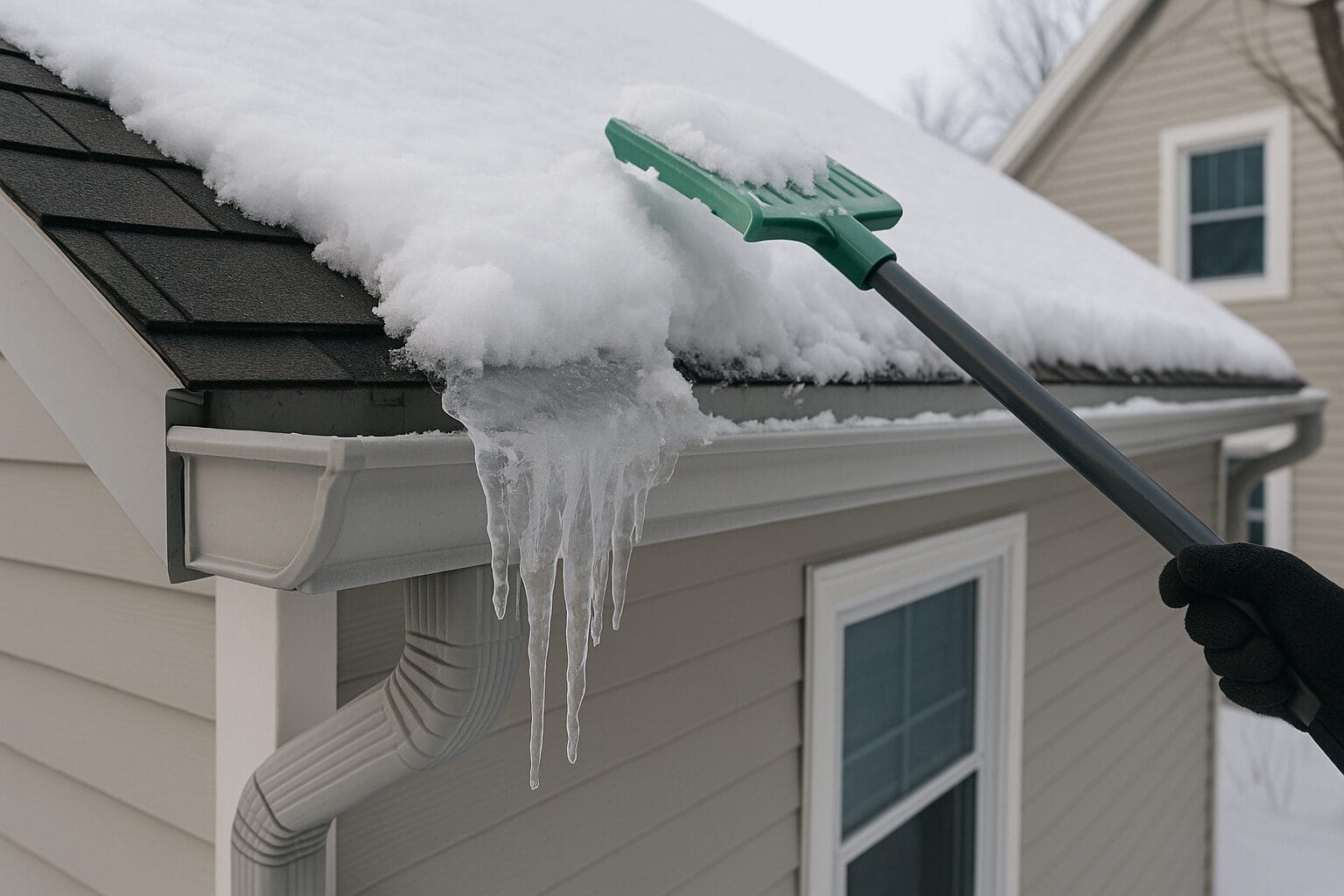
Yes. Properly sized seamless gutters with adequate downspouts can handle heavy rainfall and the melt-off from snow. It’s important the system is installed with the right slope and enough downspouts to prevent overflow. In areas with heavy snowfall, consider additional support brackets and ice-mitigating strategies like heated cables if ice dams are common.
3. Are leaf guards necessary with seamless gutters?
Leaf guards are not strictly necessary but highly recommended for homes with significant tree cover. They reduce the frequency of cleanings and help prevent clogs. Choose a guard type compatible with your debris type — mesh for broadleaf, different styles for pine needles — and remember that no guard is 100% maintenance-free.
4. How long do seamless gutters last?
Material and installation quality determine lifespan. Aluminum seamless gutters often last 20+ years with routine maintenance. Copper can last several decades. Regular inspection and timely repairs will extend the life of any gutter system.
5. Can I install seamless gutters myself?
DIY installation of seamless gutters is challenging because it requires roll-forming equipment to create custom-length runs on-site. For most homeowners, hiring a professional installer is the safer and more reliable route. Professionals ensure proper slope, secure mounting, and correct integration with roof and fascia for peak performance.