Introduction — why this matters more than you might think
Have you ever stood in your yard after a heavy rain and noticed water pooling near your foundation or running down your siding like a waterfall? That’s a signal your gutter system either isn’t working well or isn’t there at all. Gutters are the unsung heroes of every home, quietly directing water away from the roof, walls, and foundation. When you hire a professional team for gutter installation, you’re investing in protection — and peace of mind.
In this article I’ll walk you through exactly what to expect during a professional gutter installation, from the first inspection to the final walkthrough. I’ll use clear, practical language and real-world analogies so you can follow along even if you’ve never dealt with gutters before. Whether you live in Fort Wayne or Kendallville, Indiana, or anywhere in between, this guide is tailored to help you feel informed and confident before, during, and after installation.
Why gutters matter — more than just an edge accessory
Think of your gutters as the plumbing system for your roof. Just like a well-built drainage system keeps a town from flooding, a properly installed gutter system channels water away from your home. Without it, rainwater can:
- Damage siding and paint
- Cause basement or crawl space flooding
- Erode landscaping and soil around foundations
- Create ice dams in winter
- Warp fascia and soffits
If your home is in a place with changing seasons — like Fort Wayne, Warsaw, or Huntington — the right gutters take on even greater importance. They protect your investment through spring storms, summer downpours, autumn leaf fall, and winter freezes.
How a professional installer helps — what you gain
Why hire pros? Isn’t gutter installation a weekend DIY project? Sometimes yes, but not always — and there are real benefits to hiring professionals:
- Accurate measurements and material recommendations based on roof pitch and runoff volume
- Seamless or properly sealed gutter systems that minimize leaks
- Secure attachment to prevent sagging and wind damage
- Upfront knowledge about local code, permits, and best practices
- Warranty options and post-install support
Pros bring experience. They also bring the right tools, ladders, and safety equipment — which matters a lot if your home has multiple stories or steep rooflines.
Before installation: what the inspection looks like
A good installation begins with a thorough inspection. Expect your contractor to examine several things:
Roof condition and shingles
Technicians will check shingles for wear, curling, or rot. Why? Gutters attach to the fascia and often rely on roofboard integrity. If shingles or roof edges are compromised, you may need shingles repaired or replaced before gutters are installed.
Fascia and soffit condition
Fascia (the board behind the gutter) and soffit (the underside of the eave) should be solid. If they’re rotten or damaged, installers will recommend repairs so hangers and brackets have a reliable anchor.
House pitch and roof layout
Complex roofs with valleys, dormers, or multiple planes require careful planning. Installers measure roof pitch and identify where the largest volumes of water will run off.
Downspout locations and drainage paths
Decisions about downspout placement affect where water exits the roof and how it’s directed away from the foundation. Contractors look for natural low points and think about where water should flow — into existing storm drains, toward a safe spot in the yard, or into a rain barrel or dry well.
Vegetation and obstructions
Nearby trees, overhangs, or satellite dishes may affect installation logistics. If you have large trees, your installer might recommend gutter guards or more frequent maintenance.
Choosing materials — what options you’ll discuss
Material choice affects cost, longevity, and style. During the inspection or quote stage, your contractor will review material options and recommend what fits your budget and local climate.
Aluminum
Aluminum is lightweight, rust-resistant, and cost-effective. It’s a common choice in many Indiana towns because it stands up to seasonal changes and doesn’t add excessive weight to the fascia.
Vinyl
Vinyl is cheap and easy to install but can become brittle in cold climates and warp in extreme heat. It works in milder spots or as a budget-friendly option but may not be the best long-term pick for areas with heavy snow or frequent freeze-thaw cycles.
Galvanized or stainless steel
Steel is tougher and handles debris and impact better than aluminum but can rust over time unless it’s stainless or properly coated.
Copper
Copper gutters are beautiful and long-lasting; they patina over time and become a design feature. They’re pricey, though, and might be overkill if you’re focused purely on utility.
Seamless vs. sectional gutters
Seamless gutters are extruded on-site from a roll of material and reduce leakage points. Sectional gutters come in pieces that get joined together; they’re often cheaper but have more seams, which can leak if not properly sealed.
Sizing and slope — the math you don’t have to do
Gutter size and slope matter. Installers will calculate runoff based on roof area and pitch to choose between common sizes like 5-inch or 6-inch gutters. Larger roofs, steep roofs, or roofs with heavy rainfall need bigger gutters.
- 5-inch gutters: Standard for many homes; works for most single-family houses with moderate roof area.
- 6-inch gutters: Better for larger roofs, commercial buildings, or areas with more dramatic water volumes.
Pitch — or slope — ensures water flows toward the downspout. Installers place gutters with a slight grade (usually a quarter inch per 10 feet) to avoid standing water.
Quoting and payment expectations
After assessing your home, the contractor provides a quote. A clear quote should include:
- Materials and gutter size
- Number and placement of downspouts
- Labor costs
- Warranty details on materials and workmanship
- Cleanup and disposal of old gutters
- Any additional repairs (fascia, soffit, roofing) and costs
Ask about payment schedule: many companies ask for a deposit and final payment upon completion. Beware contractors demanding the full amount upfront.
Scheduling the job — timing and weather considerations
Gutter installation can usually be completed in a day for the average house, but scheduling depends on weather and complexity. Rainy or icy conditions will delay work. In Indiana, spring and early fall are popular times for gutter projects; summers get busy too.
How long will it take?
A typical single-story house might take 2–6 hours. Two-story homes, complex roofs, or added repairs (replacing fascia, installing guards) can extend the job to a full day or more.
Do I need a permit?
Most gutter installations don’t require a permit, but local municipalities might have rules, especially if downspouts connect to municipal storm systems. Contractors familiar with Fort Wayne, Auburn, or Warsaw can advise on local requirements.
What to do before installers arrive — a simple homeowner checklist
Preparation helps the day run smoothly. Here’s a practical checklist:
- Clear driveway and work areas so trucks and trailers can park close by.
- Trim low-hanging branches that could interfere with ladders or gutter runs.
- Move cars away from the house to avoid debris or accidental dings.
- Notify neighbors if the crew will access shared spaces.
- Discuss where you want downspouts to direct water (yard, drain, or rain barrel).
Don’t worry: professionals handle most of the heavy lifting and cleanup. But a little prep on your part saves time and can reduce surprises.
The installation day — a step-by-step walkthrough
Alright — here’s the heart of the matter. What actually happens on installation day? Think of it like a choreographed dance: each step builds on the last to produce a system that works seamlessly.
Step 1: Site setup and safety
Installers will set up ladders, scaffolding (if needed), tarps, and wheelbarrows. They’ll put down drop cloths to protect landscaping and walkways. Safety cones or signage may be used if trucks block a portion of the street or driveway.
Step 2: Removal of old gutters (if applicable)
If you have existing gutters, the crew will remove them and inspect the underlying fascia and roof edges. Old hangers, nails, and sealant will be cleaned away.
Step 3: Fascia and repair work
Any necessary repairs — like replacing rotten fascia boards or sealing gaps — are usually completed before new gutters go up. This ensures the hangers have a solid surface to attach to.
Step 4: Measuring and cutting
For seamless gutters, material is fed through a machine on-site and cut to length. For sectional gutters, installers pre-measure and cut pieces in the driveway or on the roof edge.
Step 5: Attaching hangers and brackets
Hangers are installed every 24–36 inches (exact spacing depends on the system and local conditions). Proper hanger placement prevents sagging and supports roof runoff. Installers use screws into the fascia rather than nails for better long-term holding power.
Step 6: Mounting the gutter sections
Gutters are lifted into place and secured. Contractors make sure seams are tight (for sectional) and use sealant where required. For seamless systems, long continuous runs reduce joints and potential leak points.
Step 7: Install downspouts and elbows
Downspouts are attached and routed to the desired discharge location. If the plan includes extensions, splash blocks, or underground drains, these are installed as well.
Step 8: Gutter guards and accessories
If you ordered leaf guards, screens, or mesh, installers will fit them now. There are many types (reverse curve, micromesh, brush-style), and each has pros and cons we’ll discuss shortly.
Step 9: Sealants and final fastening
Technicians will apply sealant to seams and screw heads as needed. They’ll double-check hanger security and downspout connections to make sure everything is watertight and sturdy.
Step 10: Cleanup and debris removal
Good contractors leave the site clean. That includes removing old gutters, screws, seals, and stray nails. They’ll often sweep sidewalks and driveways and haul away debris. Always confirm cleanup is included in your quote.
Step 11: Testing and walkthrough
Installers usually run a water test — a hose directed onto the roof — to see how water flows through the system and to check for leaks. Finally, they conduct a walkthrough with you to point out features, show where downspouts terminate, and explain maintenance tips.
Gutter guard options — are they worth it?
Gutter guards are marketed as a “set it and forget it” solution. In reality, they reduce maintenance but don’t eliminate it entirely. Choose based on tree cover and budget.
- Screen or mesh guards: Cost-effective and keep out larger debris. Fine mesh handles pine needles and shingle grit but may require occasional cleaning.
- Reverse-curve guards: Look sleek and can shed leaves, but they may struggle with heavy rainfall or small debris and sometimes require more frequent inspection.
- Brush guards: Easy to install and good for keeping out leaves, but they trap debris on top of the brush and still need cleaning.
- Micromesh guards: Very effective at excluding fine debris; often pricier but reduce maintenance best among options.
In tree-heavy neighborhoods like areas around Garrett or Roanoke, guards can significantly cut down on cleaning frequency. Your installer can recommend a guard based on how many trees overhang your roof and the type of debris typical to the area.
What to expect in noise, disruption, and privacy
Gutter installation is not overly noisy compared with roofing, but you will hear cutting, banging, and power tools for several hours. Workers may need access to the exterior of your home and the roofline, so you’ll see crews and ladders close to windows and patios. If you work from home or have scheduled appointments, plan accordingly. Most crews are respectful and efficient, and they aim to minimize disruption.
Estimating costs — what factors drive price
Costs vary by material, home size, number of stories, fascia condition, and whether you choose seamless gutters or add-ons like guards. Here are the main drivers:
- Material: Aluminum vs. copper vs. steel
- Gutter size and length
- Number of downspouts and complexity of routing
- Repair work required (fascia/soffit replacement)
- Seamless extrusion vs. sectional
- Additional accessories like guards or heated cables
Always get multiple quotes and look at total value — reputation, warranty, and workmanship often matter more than the cheapest upfront price.
Warranties and documentation — what to expect
Reputable installers provide a written warranty covering materials and labor. Typical warranties include:
- Manufacturer warranty for the gutter material (varies by metal and finish)
- Workmanship warranty from the installer (often 1–5 years or more)
- Warranty coverage specifics, including exclusions (ice damage, improper maintenance)
Ask for the warranty in writing and keep your invoice and warranty documents in a safe place. If you live in New Haven, Waterloo, or Wolcottville, local contractors understand region-specific wear factors and can explain what’s covered under typical warranties.
Maintenance after installation — keeping your system working
Even well-installed gutters need attention. Here’s a simple maintenance plan:
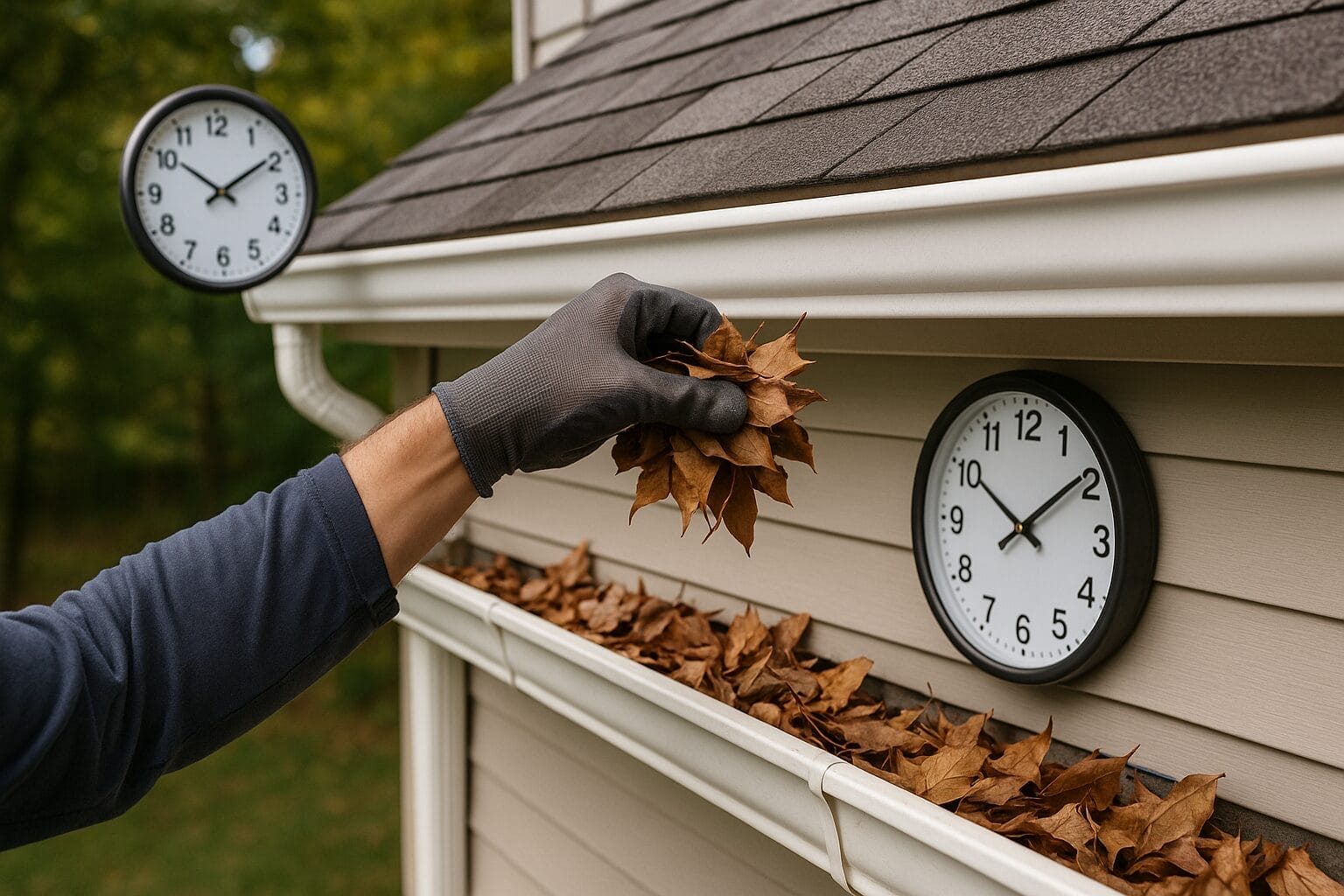
- Check gutters at least twice a year — spring and fall are good times.
- Remove leaves and debris or have a contractor clean them.
- Inspect for sags, separated seams, or loose hangers after storms.
- Flush downspouts annually to ensure they’re clear.
- Trim back overhanging branches to reduce debris buildup.
Gutter guards reduce how often you clean but don’t eliminate maintenance entirely. In places with heavy autumn leaves, like Bluffton or Kendallville, a fall cleaning is often necessary despite guards.
Handling ice and winter — special considerations
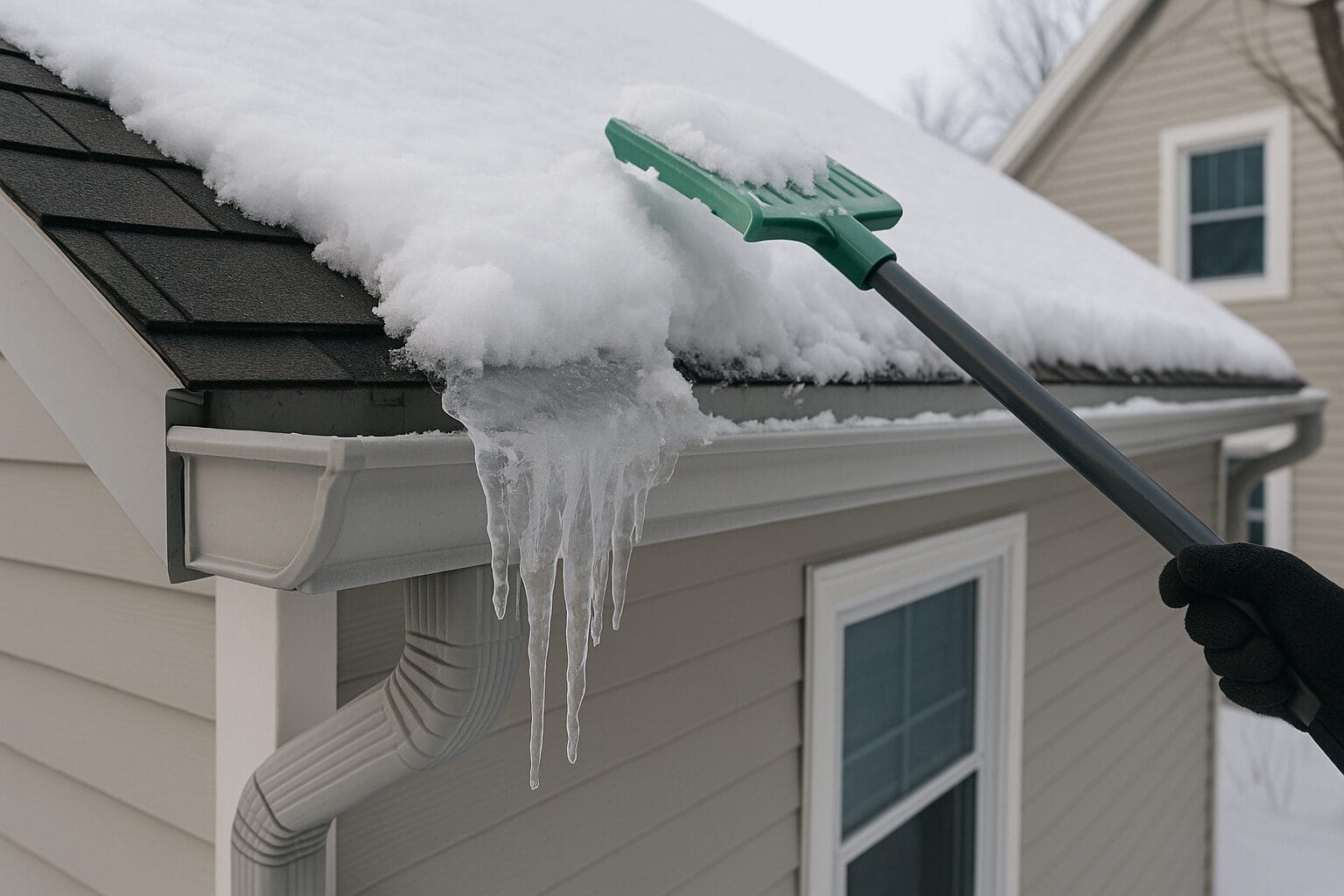
Ice dams form when heat from the attic melts snow at the roof edge, and then the melting water refreezes at the colder eave. Proper insulation, ventilation, and effective gutters help prevent ice buildup. For homeowners in the colder parts of our service area (Grabill, Huntertown, or Angola), consider:
- Heated cables in gutters and along roof edges where ice dams are persistent
- Regular clearing of heavy snow on roofs to reduce the freeze-thaw cycle
- Ensuring gutters have adequate slope and secure hangers to handle freeze expansion
Common problems installers will look to avoid
Here are frequent pitfalls and how pros avoid them:
- Under-sizing gutters: Leads to overflow during heavy rain. Pros size gutters to the roof’s runoff capacity.
- Poor pitch: Causes standing water. Installers place a slight slope toward downspouts.
- Improper fasteners: Nails can pull out quickly; screws and properly spaced hangers hold better.
- Inadequate downspouts: Too few downspouts can overwhelm gutters. Pros typically recommend more downspouts for large roofs.
- Ignoring fascia condition: Rotten fascia won’t support hangers. Pros replace damaged fascia first.
Red flags — questions to ask your contractor
When you’re getting quotes, keep an eye out for warning signs and ask these questions:
- Are you licensed and insured? Ask to see proof.
- Do you provide a written estimate and a written warranty?
- Do you use screws for hangers or nails? (Screws are better.)
- How many installers will work on the project and for how long?
- Will you inspect fascia and soffit before installation and quote repairs separately?
- Can you provide references or examples of recent installations in our area (Fort Wayne, Auburn, or nearby)?
Trust your instincts. A reputable contractor answers questions clearly, provides documentation, and doesn’t pressure you into immediate decisions.
Local climate and seasonal tips for Indiana homeowners
Indiana’s weather cycles — wet springs, humid summers, falling leaves in autumn, and icy winters — shape how gutters perform and what you should expect. Here are a few local-specific tips:
- Spring: Check for winter damage and clogged downspouts from falling debris.
- Summer: Watch for sagging under heavy downpours and inspect seams after storms.
- Autumn: Schedule a cleaning before leaf drop peaks; consider guards if you have deciduous trees.
- Winter: Ensure gutters can handle ice; consider heated options in frequently icy zones like Warsaw or New Haven.
Eco-friendly and smart options — rain barrels and drainage solutions
If you’re eco-minded, talk to your installer about rainwater harvesting and permeable discharge options:
- Rain barrels: Collect roof runoff for garden use.
- Dry wells: Channel runoff underground where it can slowly infiltrate soil.
- Permeable drainage: Use swales or gravel trenches to reduce hard runoff and replenish groundwater.
These solutions help manage stormwater responsibly and can reduce how much water ends up pooling near your foundation.
After installation — what your final walkthrough should cover
On completion, a good contractor will do a final walkthrough with you. Expect them to:
- Show where downspouts terminate and any underground drains or extensions.
- Demonstrate how to check and maintain the gutters.
- Run a water test so you can see the system in action.
- Provide written warranty and care instructions.
- Confirm cleanup and removal of old materials.
If anything doesn’t look right, point it out before you sign off on final payment. Good installers welcome feedback and will correct minor issues immediately.
Real-life example: a typical install in Fort Wayne
Let’s walk through a realistic scenario. A homeowner in Fort Wayne has a two-story home with aging 5-inch aluminum gutters that sag in places. Leaves from mature oaks have clogged the system. They hire a local contractor to install seamless 6-inch aluminum gutters with micromesh guards.
What happened:
- Contractor inspects, finds minor fascia rot and replaces two sections.
- They extrude 6-inch seamless gutters on-site, increasing water-carrying capacity.
- Hangers are installed every 24 inches and screwed into replaced fascia.
- Micromesh guards are fitted and downspouts are directed to existing storm drain connections.
- Cleanup includes hauling away old gutters and disposing of replaced fascia material.
- Water test shows clean flow with no leaks. Homeowner receives a 5-year workmanship warranty and a manufacturer’s warranty for the gutters.
After the installation, the homeowner noticed less water near the foundation and no overflow during a heavy summer storm. It’s a straightforward example of how the right choices make a noticeable difference.
Troubleshooting common post-installation issues
If you see problems after installation, here’s how to identify and address them:
- Sagging gutters: Could be due to loose hangers or inadequate spacing. Call the installer — this is usually fixable under workmanship warranty.
- Overflow at seams: Might indicate poor sealing or insufficient pitch. A reroute or reseal is often required.
- Downspout backups: Check for clogs or inadequate downspout capacity; install larger downspout or add an extra outlet.
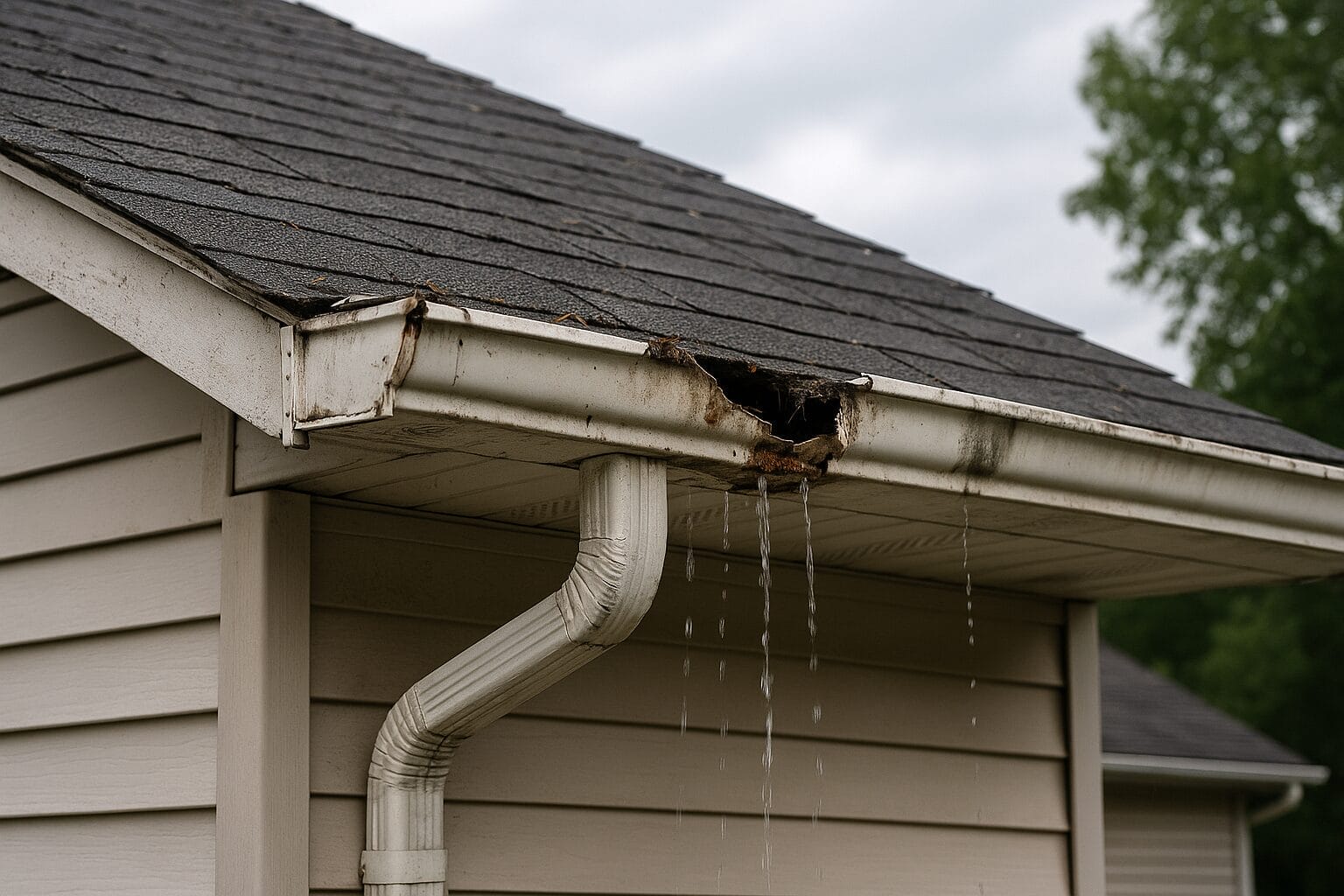
- Leaks where gutter meets fascia: Could be fascia movement or improper attachment. Inspect and repair the fascia if needed.
Final thoughts — making the most of your gutter investment
Getting new gutters professionally installed protects your home’s foundation, siding, landscaping, and roof. It’s a relatively modest investment with significant long-term benefit. Take the time to pick the right materials, a reputable installer, and a maintenance plan that fits your property and local climate. If you live in any of the communities we serve — whether it’s Decatur, Columbia City, or Woodburn — local contractors understand the regional weather patterns and can tailor a solution that lasts.
Summary
In short, a professional gutter installation involves a careful inspection, material selection, precise measurements, and a step-by-step installation process that includes removal of old gutters (if applicable), fascia repair, secure hanger placement, seamless or sectional gutter mounting, downspout routing, accessory installation, testing, and cleanup. Expect transparent communication in the quoting stage, a written warranty, and a final walkthrough with a water test. Proper maintenance — twice yearly checks and targeted cleanings — plus occasional upgrades like gutter guards or heated cables ensure your system performs well through Indiana’s changing seasons.
Frequently Asked Questions (FAQs)
1. How long does a professional gutter installation take?
For an average single-story home, plan for 2–6 hours. Two-story homes or complex roofs may take a full day or longer, especially if fascia repairs or additional accessories are involved.
2. Should I choose seamless or sectional gutters?
Seamless gutters reduce seams (fewer leak points) and often look cleaner, but they can cost more due to on-site extrusion equipment. Sectional gutters are cheaper but have more seams. For many homeowners in places like Fort Wayne or Kendallville, seamless gutters are worth the extra cost for reduced maintenance.
3. Do I need gutter guards?
Gutter guards cut down on how often you need to clean gutters, especially if trees overhang your roof. They’re not maintenance-free, but in tree-heavy neighborhoods like Bluffton or Garrett, they can be a wise choice. Choose a guard type based on your debris type and budget.
4. What warranty should I expect?
Reputable installers provide a workmanship warranty (commonly 1–5 years) and the manufacturer provides material warranties. Always get warranty details in writing and understand what’s excluded.
5. How much does gutter installation cost?
Costs vary widely depending on materials, gutter size, home size, and repairs needed. Expect a range from modest to substantial. Get multiple written quotes and consider long-term value and warranty coverage rather than choosing strictly on price.
If you’d like, I can help draft a checklist for comparing quotes or a list of questions to ask local contractors in Angola, New Haven, or your specific town. Want me to put that together?